When venturing off the grid—whether for camping, hiking, vanlife, or extended survival situations—access to safe, potable water is one of the most critical needs. Natural water sources such as streams, lakes, and springs may appear clean, but they often harbor pathogens, parasites, or chemical contaminants that can cause serious illness. Understanding effective water purification methods is essential for anyone committed to self-reliance and safety in remote environments.
Why Water Purification Matters Off the Grid
Waterborne illnesses are a common concern in outdoor and off-grid scenarios. Contaminants like bacteria (e.g., Escherichia coli), viruses, protozoa (e.g., Giardia, Cryptosporidium), and chemical pollutants can be present in untreated water. Consuming unsafe water can lead to symptoms ranging from mild gastrointestinal distress to severe dehydration and infection.
Purifying water ensures it is safe to drink, thereby reducing the risk of illness and supporting your overall health and endurance during your adventure or off-grid stay.
Overview of Water Purification Methods
There are multiple ways to purify water, each with its benefits, limitations, and suitability depending on your environment, equipment availability, and personal preference. Below, we explore the most effective and practical purification techniques for off-grid use.
1. Boiling
Boiling water is one of the oldest and most reliable purification methods. It kills bacteria, viruses, and protozoa by exposing them to high temperatures.
- How to do it: Bring water to a rolling boil for at least one minute. At elevations above 6,500 feet (2,000 meters), boil for three minutes to ensure safety.
- Pros: Simple, no special equipment required beyond a pot and heat source; effective against most pathogens.
- Cons: Doesn’t remove chemical pollutants or sediment; fuel-intensive and time-consuming.
2. Filtration
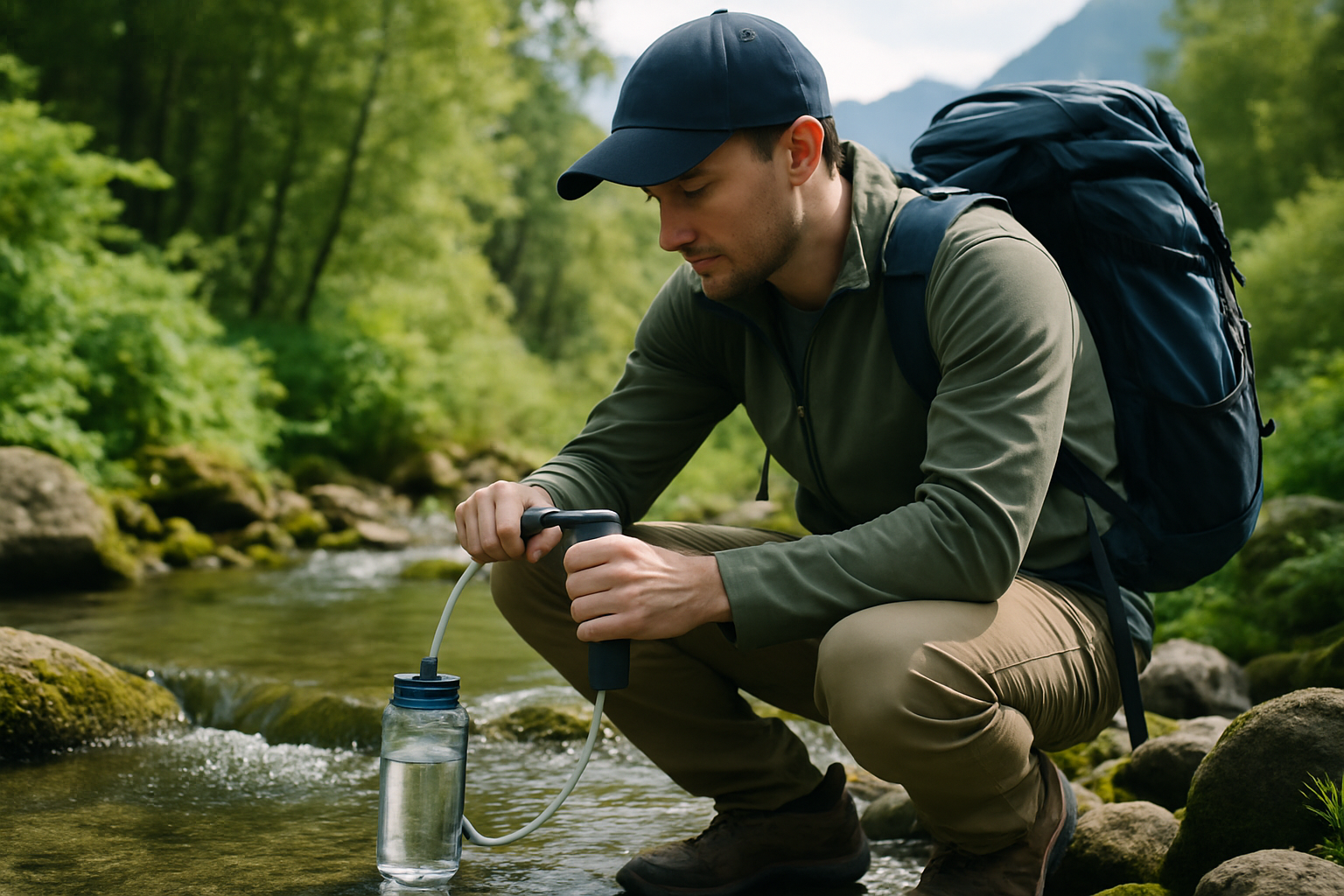
Water filters physically remove contaminants by straining out particles, protozoa, and often bacteria.
- Types of filters: Pump filters, gravity filters, straw-style filters, and bottle filters.
- What they remove: Most remove sediment, protozoa (Giardia, Cryptosporidium), and bacteria. Not all remove viruses unless specifically designed to do so.
- Pros: Fast, portable, easy to use; some models remove tasteless sediment and improve water clarity.
- Cons: Filters clog and require regular maintenance; may not eliminate viruses or chemical pollutants.
3. Chemical Treatment
Chemical disinfectants such as chlorine, chlorine dioxide, and iodine are widely used to neutralize pathogens in water.
- How to use: Add the chemical tablet or solution as directed, typically waiting 30 minutes before consumption.
- Pros: Lightweight, compact, effective against bacteria and viruses.
- Cons: Some people dislike the taste; less effective against certain protozoa; requires wait time.
4. Ultraviolet (UV) Light Purifiers
UV purifiers use ultraviolet light to disrupt the DNA of microorganisms, rendering them harmless.
- How to use: Stir the UV light device in a clear water container for the recommended time (usually 60–90 seconds).
- Pros: Rapid purification, kills bacteria, viruses, and protozoa; lightweight and battery-operated.
- Cons: Requires batteries or power source; water must be clear to be effective; doesn’t remove sediment or chemicals.
5. Solar Disinfection (SODIS)
Solar disinfection uses the sun’s UV rays combined with heat to inactivate pathogens.
- How to do it: Fill clear plastic bottles with water and expose them to direct sunlight for 6 hours (or 2 days in cloudy weather).
- Pros: No equipment needed besides clear plastic bottles; low cost and accessible.
- Cons: Time-consuming; requires sunny conditions; limited effectiveness with turbid water.
6. Distillation
Distillation involves boiling water and then collecting the condensed steam, leaving contaminants behind.
- Pros: Removes most pathogens, chemicals, and salts.
- Cons: Requires specialized equipment and fuel; time-consuming; less practical in many off-grid situations.
Choosing the Right Method for Your Needs
The best water purification method often depends on your specific scenario, including the availability of equipment, water source quality, and your mobility. Here are some guidelines to help you decide:
- For short trips or emergency kits: Chemical tablets or portable UV purifiers offer lightweight, fast solutions.
- For extended stays or family groups: Gravity filters or pump filters provide reliable flow rates and capacity.
- In areas with chemical contamination: Consider distillation or advanced filtration systems designed to remove chemicals.
- When fuel is limited: Solar disinfection or chemical treatments can be practical alternatives to boiling.
- Always pre-filter turbid water: Use a cloth or coffee filter to remove sediment before purification, especially when using UV or chemical methods.
Essential Tips for Safe Water Purification Off the Grid
- Know your water source: Avoid stagnant or visibly polluted water when possible, and be aware of upstream activities that might affect water quality.
- Carry multiple purification methods: Redundancy ensures access to safe water if one method fails or runs out of supplies.
- Maintain your equipment: Clean filters and replace UV batteries as needed to ensure effectiveness.
- Store purified water safely: Use clean, covered containers to prevent recontamination.
- Practice good hygiene: Always wash hands before handling purified water or drinking equipment.
Key Takeaways
- Boiling is a reliable and universal purification method but requires fuel and time.
- Filters effectively remove protozoa and bacteria but usually need to be paired with chemical or UV treatment to target viruses.
- Chemical treatments are lightweight and effective but may alter taste and require wait time.
- UV purifiers offer rapid disinfection but depend on battery power and clear water.
- Solar disinfection is accessible but slow and weather-dependent.
- Combining methods and understanding your water source will ensure the safest drinking water off the grid.
Related Resources
- CDC Backcountry Water Treatment Guidelines – Official advice on water purification techniques for outdoor travelers.
- REI Expert Guide to Water Treatment – Practical gear reviews and how-to tips for filtering and purifying water in the wilderness.
- National Park Service: Water Treatment Methods – Comprehensive overview of purification methods suitable for national park environments.
- USGS Drinking Water Treatment Overview – Technical insights into water treatment processes and contaminants.