
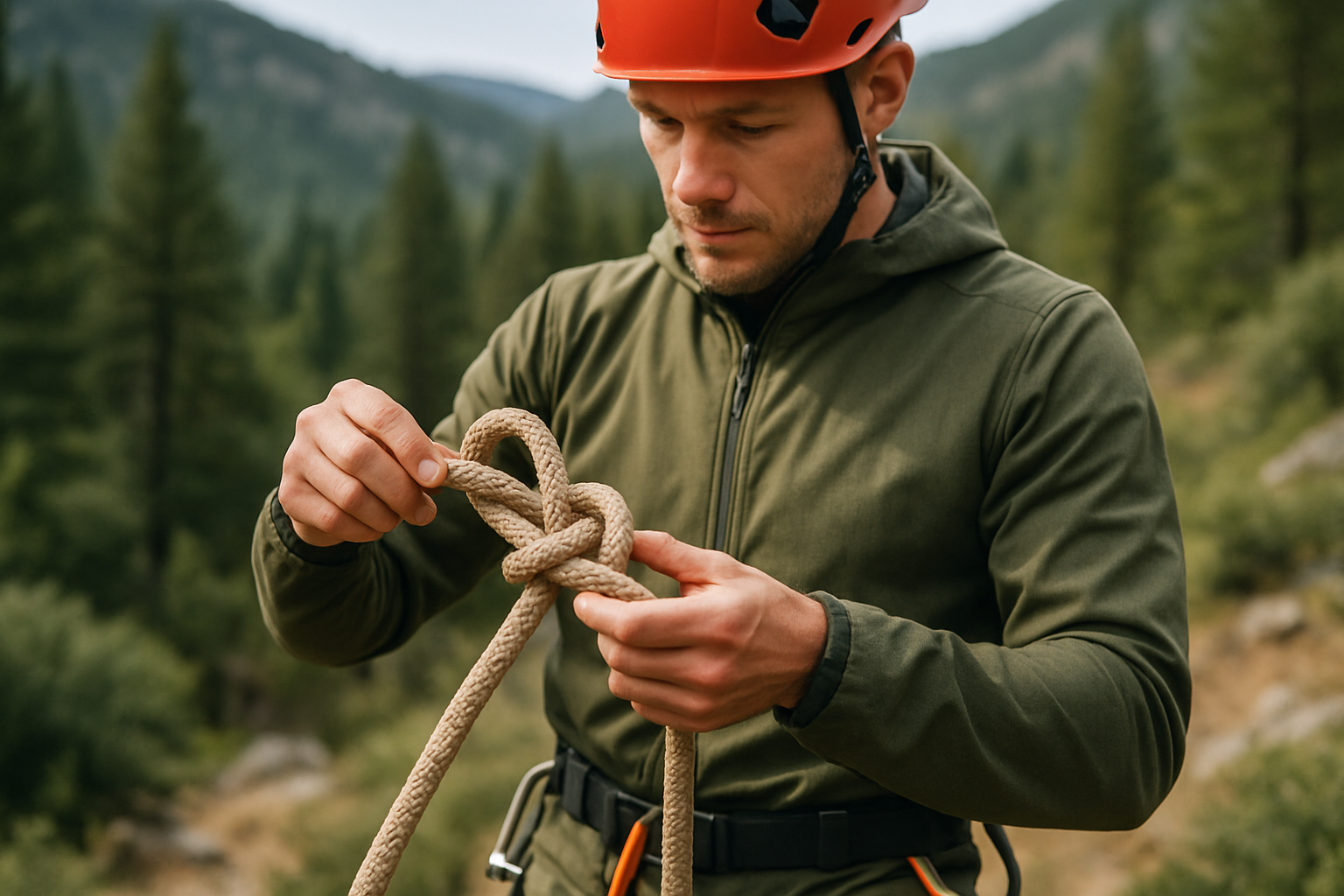
Mastering essential knots is a foundational skill for any outdoor adventurer. Whether you’re setting up a shelter, securing gear, climbing, or navigating watercraft, knowing the right knot can ensure safety, efficiency, and confidence in the wilderness. This practical guide introduces key knots every outdoor enthusiast should know, explains their primary uses, and provides clear instructions to tie them effectively.
Why Learning Knots Matters in Outdoor Adventures
Knots are more than just loops and twists in rope—they are critical tools that enhance safety and functionality in various outdoor scenarios. A poorly tied knot can lead to equipment failure, loss of gear, or even serious injury. Conversely, a well-tied knot can secure loads, create reliable anchors, and facilitate rescue operations. By mastering a select group of knots, you can adapt to many challenges you encounter in hiking, camping, climbing, fishing, and survival situations.
Essential Knots for Every Outdoor Adventurer
1. Bowline Knot
The bowline is often called the “king of knots” because of its versatility and reliability. It creates a fixed loop at the end of a rope that won’t slip or bind under load but can be untied easily even after heavy strain.
- Uses: Securing a rope to a tree or post, creating a loop for rescue or climbing harness, tying down gear.
- How to Tie: Make a small loop (the “rabbit hole”), pass the rope end (the “rabbit”) up through the hole, around the standing line (the “tree”), and back down through the hole.
2. Figure Eight Knot
The figure eight knot is a fundamental stopper knot that prevents a rope from slipping through a device or hole. When used as a figure eight follow-through, it is essential for climbing as a secure tie-in knot.
- Uses: Preventing rope ends from fraying or slipping, creating strong anchor points for climbing.
- How to Tie: Form a loop, then cross the working end over the standing line, loop it back and thread it through the original loop, creating a figure-eight shape.
3. Clove Hitch
The clove hitch is a simple, adjustable knot used to attach a rope quickly to a post, tree, or carabiner. It is easy to tie and untie but can slip if not under constant tension.
- Uses: Securing tent lines, attaching ropes to anchor points, starting lashings.
- How to Tie: Wrap the rope twice around the object, crossing the second wrap over the first, then tuck the working end under the last wrap and tighten.
4. Taut-Line Hitch
The taut-line hitch is an adjustable knot that holds tension on a rope and can slide when loosened. It is invaluable for setting tent guy lines or any situation requiring tension adjustment.
- Uses: Adjustable tent lines, securing tarps, tensioning ropes.
- How to Tie: Wrap the rope twice around the standing line inside the loop, then make an additional wrap outside the loop and slide it to adjust tension.
5. Sheet Bend
The sheet bend is designed to join two ropes of different diameters securely. Unlike the square knot, it holds well under load and is more reliable for tying ropes of unequal thickness.
- Uses: Joining ropes for extending length, attaching cordage to rope, securing bundles.
- How to Tie: Form a bight in the thicker rope, pass the thinner rope through the bight, around both parts of the bight, and tuck it under its own standing line.
6. Double Fisherman’s Knot
The double fisherman’s knot is a strong and compact knot used to join two ropes securely, especially in climbing or rescue operations. It is known for its reliability but can be hard to untie after heavy loading.
- Uses: Joining ropes for rappelling, creating prusik loops, extending cordage.
- How to Tie: Wrap each rope end twice around the other rope’s standing part, then tuck the ends back through the wraps, and pull tight.
7. Prusik Knot
The prusik knot is a friction hitch that grips the main rope but slides when not under load. It is a fundamental knot for ascending ropes or creating self-rescue systems.
- Uses: Climbing ascents, rescue scenarios, backup safety knots.
- How to Tie: Wrap a smaller loop of cord three times around the main rope, then pull tight so it grips firmly.
Tips for Practicing and Using Knots Safely
- Practice Regularly: Repetition builds muscle memory. Practice tying knots until you can do so confidently and quickly.
- Use Appropriate Rope: Different ropes behave differently. Familiarize yourself with the ropes you carry and how knots hold in them.
- Inspect Your Knots: Always double-check knots before relying on them, especially when safety is critical.
- Keep Knots Tight: Tighten knots properly to prevent slippage and wear.
- Learn to Untie: Knowing how to untie knots under different conditions is just as important as tying them.
Key Takeaways
- Essential knots like the bowline, figure eight, and clove hitch cover many outdoor scenarios from securing gear to climbing safety.
- Adjustable knots like the taut-line hitch are invaluable for tensioning lines in camping and shelter setups.
- Joining knots such as the sheet bend and double fisherman’s ensure secure rope extensions and rescue applications.
- Friction hitches like the prusik provide safety and climbing versatility.
- Regular practice and rope familiarity enhance knot effectiveness and safety.
Related Resources
- Wilderness Survival Knot Guide – A comprehensive resource on essential survival knots and their practical uses in the wild.
- Animated Knots by Grog – Interactive step-by-step animated tutorials for hundreds of knots, perfect for visual learners.
- American Alpine Club Knot Resources – Expert guidance on knots for climbing and mountaineering safety.
- REI Expert Advice: Knots – Practical knot-tying instructions for camping, hiking, and climbing from a trusted outdoor retailer.