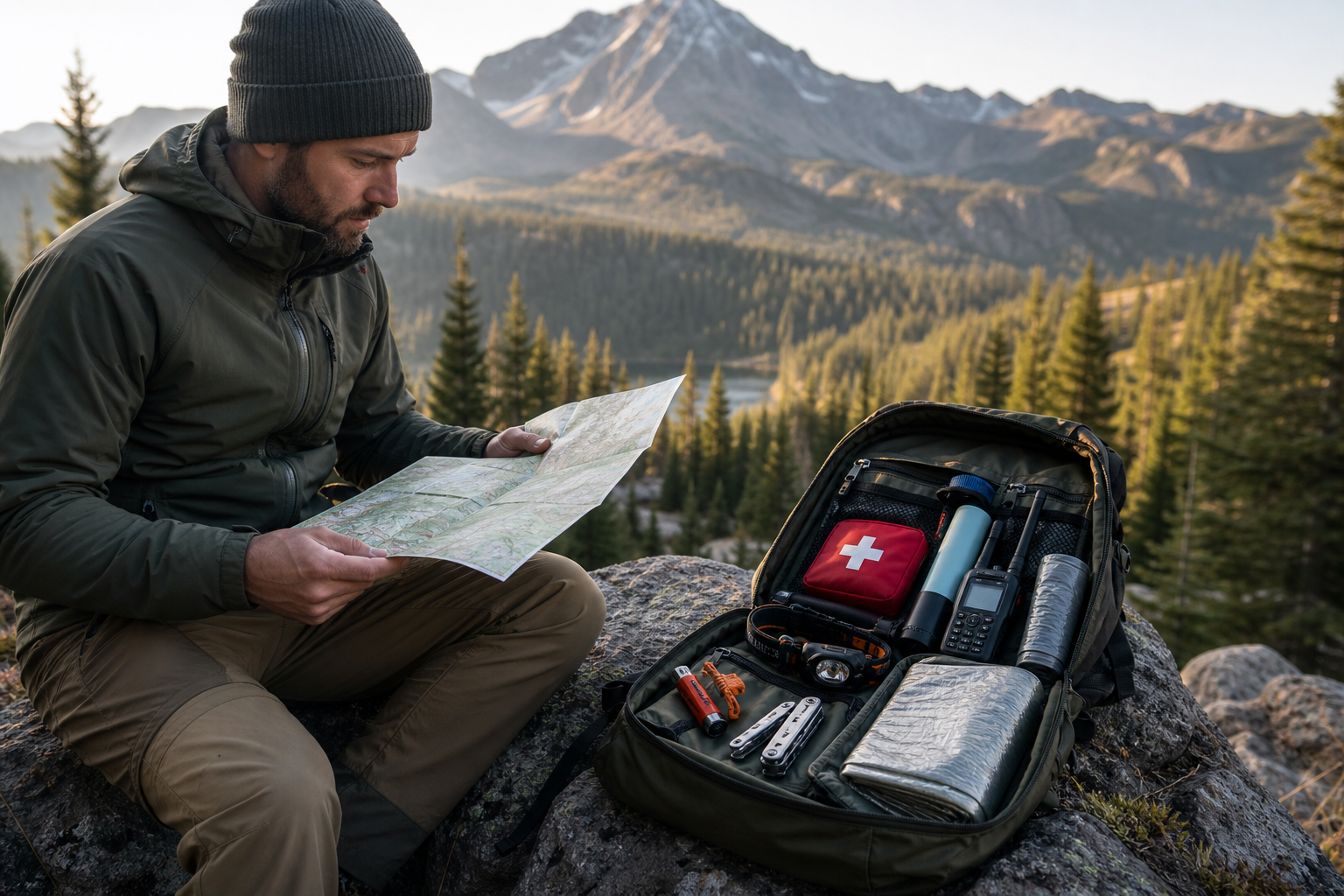
When venturing into the great outdoors, whether for a day hike, a weekend camping trip, or an unexpected emergency, having a well-prepared bug-out bag can make all the difference. A bug-out bag is essentially a portable survival kit designed to help you sustain yourself in the event you need to leave your current location quickly. Crafting a versatile bug-out bag tailored for various outdoor adventures requires thoughtful selection of gear and supplies that balance preparedness with portability.
Understanding the Purpose of a Bug-Out Bag
A bug-out bag, sometimes called a 72-hour emergency kit or a go-bag, is intended to sustain you for at least three days in case of an emergency. Unlike specialized survival kits, a bug-out bag should be adaptable for different scenarios, from natural disasters to unexpected overnight stays in the wilderness.
Its primary goal is to provide you with essential tools for shelter, hydration, nutrition, first aid, and navigation. When assembling your bag, consider the environment you’ll be in, the season, and your personal needs to ensure it serves you effectively.
Essential Components of a Bug-Out Bag
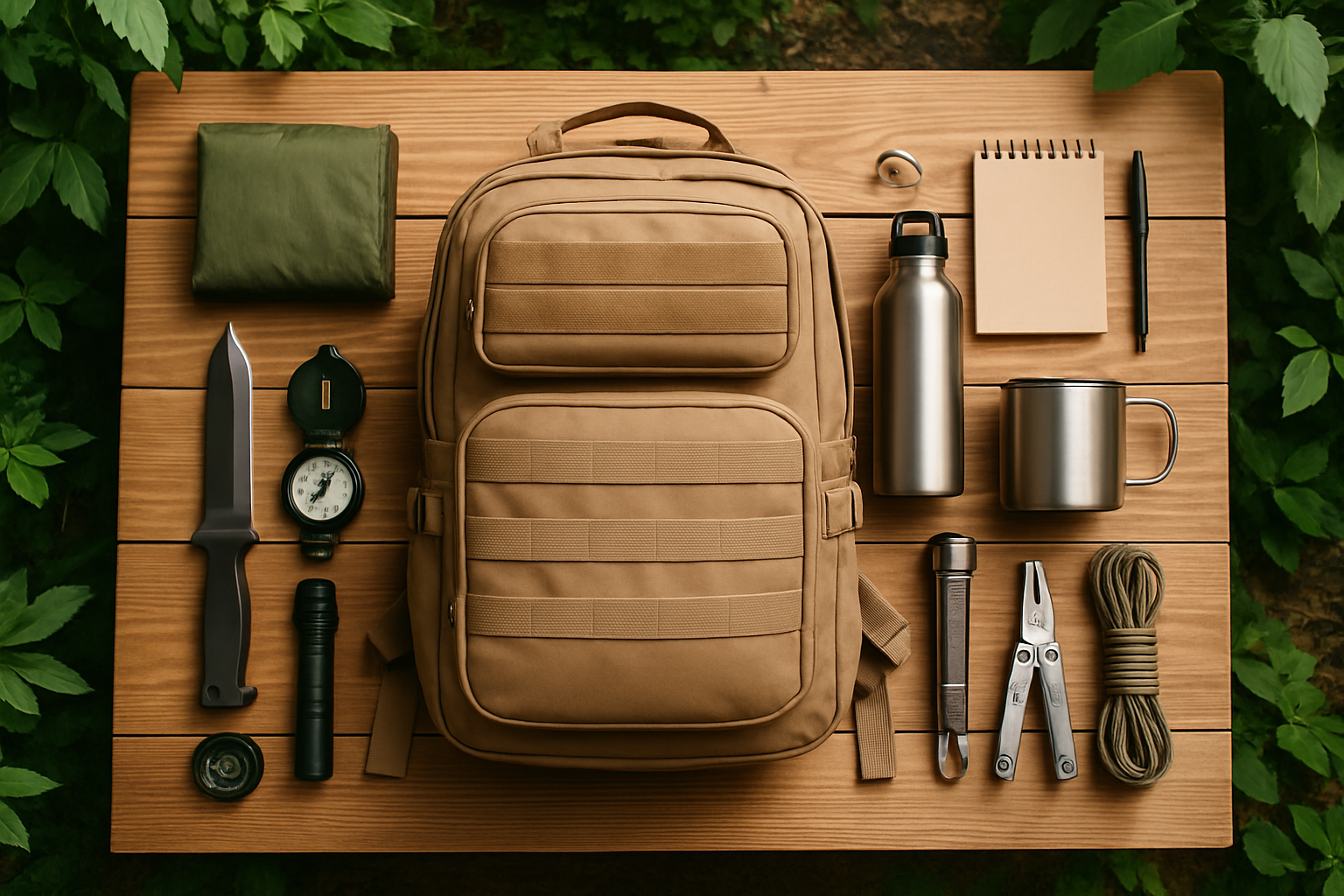
A balanced bug-out bag combines survival essentials with practical gear that enhances comfort and safety. Below is a breakdown of critical categories and key items to include:
1. Shelter and Warmth
- Lightweight Tent or Tarp: Provides protection from rain, wind, and sun.
- Sleeping Bag or Emergency Blanket: Choose based on expected temperatures—an emergency space blanket is compact but less insulated.
- Insulating Layers: Pack thermal clothes, gloves, and a hat to retain body heat.
2. Water and Hydration
- Water Containers: Collapsible water bottles or sturdy canteens.
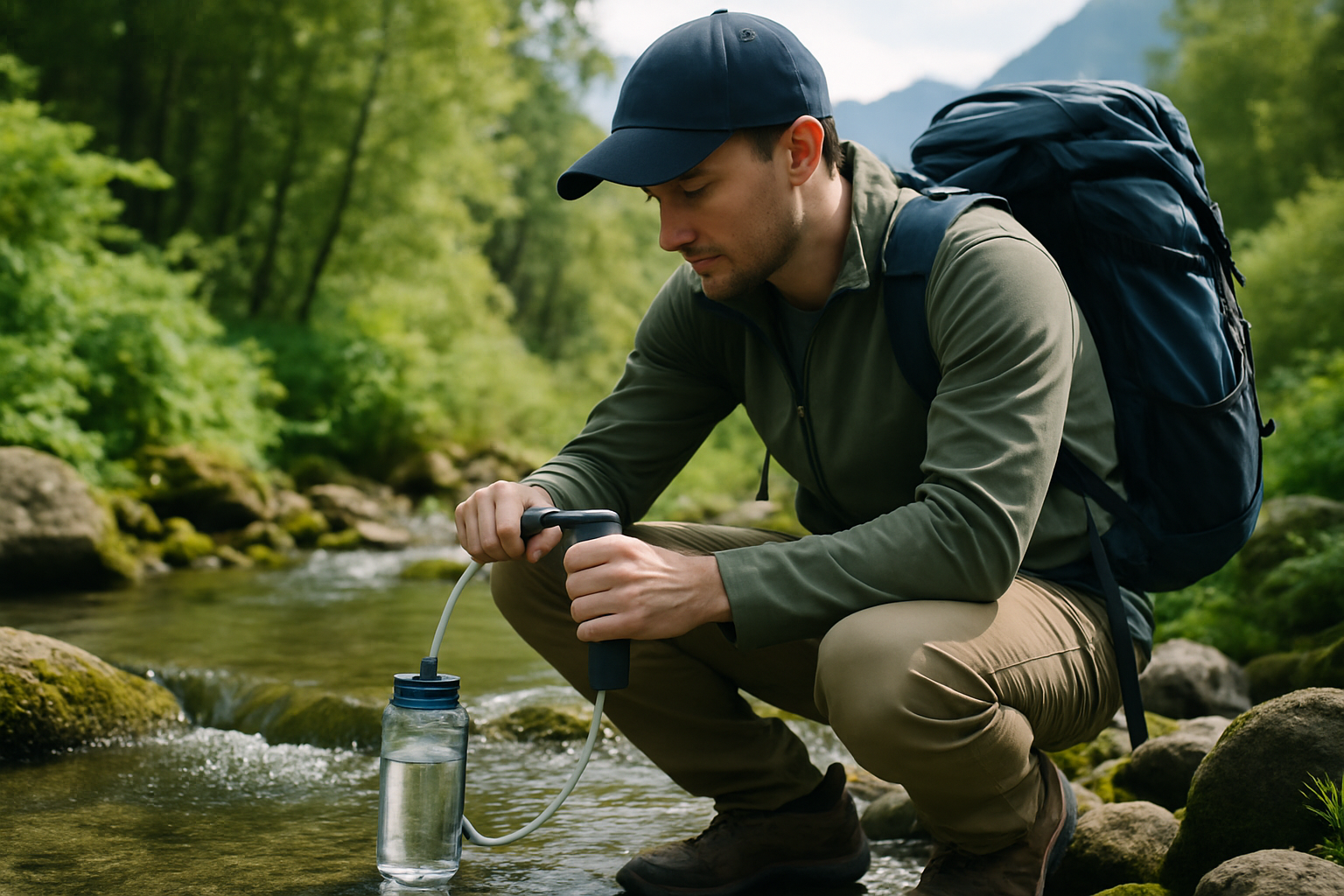
- Water Filtration System: Portable filters or purification tablets to ensure safe drinking water.
- Hydration Bladder: Optional but useful for easy access during movement.
3. Food and Nutrition
- Non-Perishable Food: Energy bars, dehydrated meals, nuts, and dried fruits.
- Compact Stove and Fuel: For cooking or boiling water, especially on longer trips.
- Utensils and Lightweight Cookware: Minimalist gear such as sporks and titanium pots.
4. First Aid and Hygiene
- Comprehensive First Aid Kit: Include bandages, antiseptics, pain relievers, and any personal medications.
- Hygiene Supplies: Biodegradable wipes, toothbrush, toothpaste, and hand sanitizer.
- Insect Repellent and Sunscreen: Critical for prolonged outdoor exposure.
5. Tools and Navigation
- Multi-Tool or Knife: Versatile for many survival tasks.
- Fire Starters: Waterproof matches, lighters, or ferro rods.
- Compass and Maps: Essential for navigation when GPS devices fail.
- Flashlight or Headlamp: Preferably with extra batteries or rechargeable options.
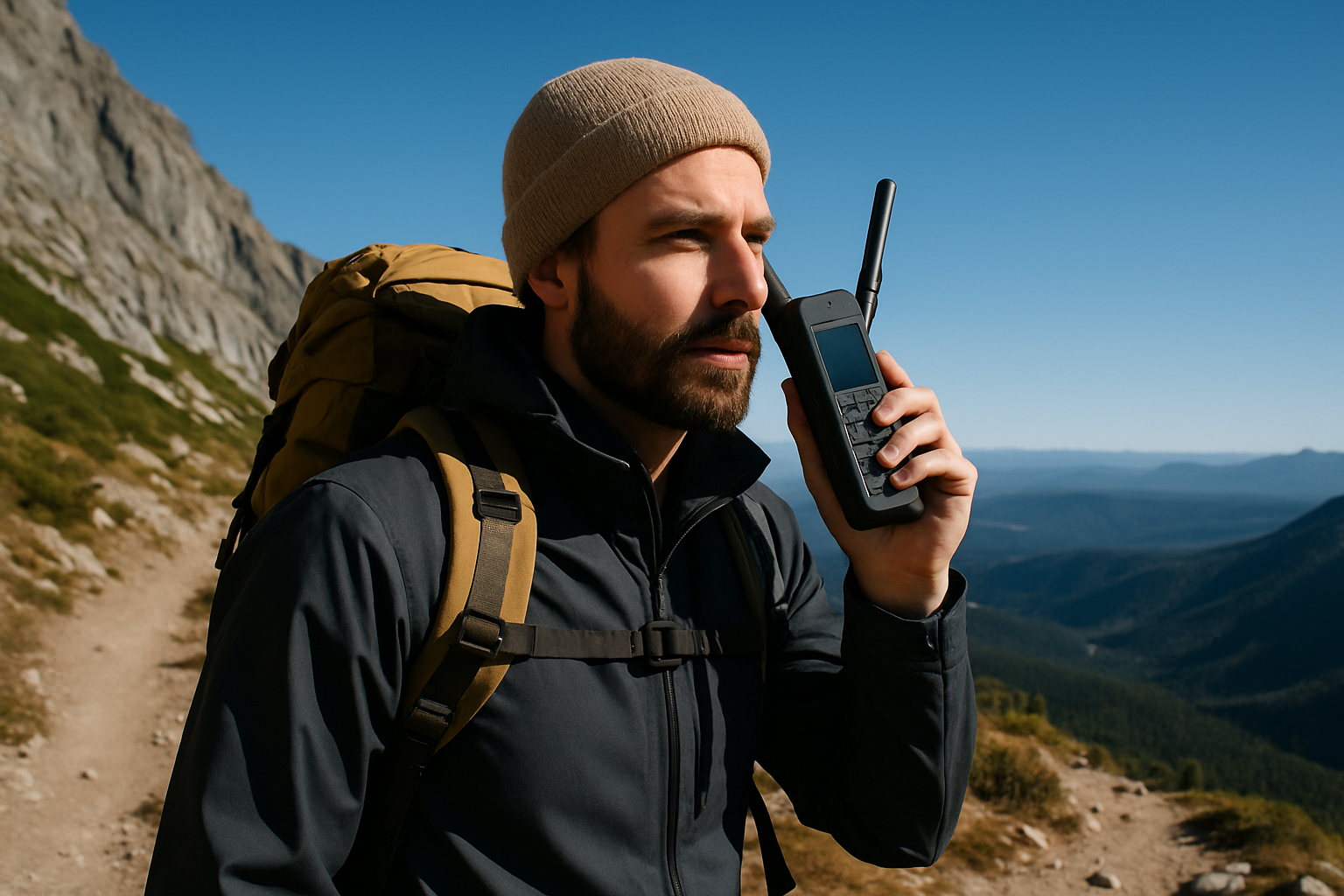
6. Communication and Safety
- Whistle: For signaling help.
- Emergency Blanket or Signaling Mirror: To attract attention in rescue situations.
- Portable Power Bank: To charge phones or GPS devices.
Tailoring Your Bug-Out Bag for Different Outdoor Adventures
While the core essentials remain constant, you should customize your bug-out bag based on the type of outdoor activity and environment.
Day Hikes and Short Excursions
For brief outings, focus on lightweight gear that covers hydration, snacks, and basic first aid. A small first aid kit, water bottle, and a compact rain jacket often suffice. A bug-out bag for day hikes should prioritize portability and quick access.
Camping and Extended Stays
For overnight or multi-day trips, include additional shelter options, more extensive food supplies, and cooking gear. Don’t forget extra clothing layers and a more robust first aid kit. Tools like a folding saw or paracord can be valuable additions.
Vanlife and Off-Grid Living
For those living or traveling in vans or off-grid settings, your bug-out bag should integrate with your existing setup. Emphasize modularity—keeping gear organized and readily accessible. Include power solutions like solar chargers and more comprehensive hygiene items.
Emergency and Survival Scenarios
In true emergency situations, your bug-out bag becomes a lifeline. Prioritize multipurpose tools, long-lasting food, and water purification methods. Consider including a compact emergency radio to stay informed during disasters, and make sure your bag is durable and weather-resistant.
Practical Tips for Building and Maintaining Your Bug-Out Bag
- Choose the Right Backpack: Select a bag that balances capacity and comfort, ideally with adjustable straps and multiple compartments for organization.
- Pack Light, but Smart: Avoid overloading your bag. Each item should justify its space and weight.
- Regularly Update Contents: Replace expired food and medications, check batteries, and adapt your gear seasonally.
- Test Your Gear: Familiarize yourself with all items to ensure you can use them efficiently under pressure.
- Customize for Personal Needs: Account for allergies, special medications, or unique equipment like glasses or hearing aids.
Key Takeaways
- A bug-out bag is a versatile survival kit designed to keep you safe for at least 72 hours in emergencies.
- Essential components include shelter, water, food, first aid, tools, and communication devices.
- Customize your bag based on the duration and type of outdoor adventure to optimize weight and functionality.
- Regular maintenance and gear testing ensure your bag remains reliable when you need it most.
- Choose durable, multipurpose gear to maximize your bag’s effectiveness without unnecessary bulk.
Related Resources
- Ready.gov Emergency Supply List – Official government guidelines on assembling emergency kits for various scenarios.
- REI Expert Advice: How to Pack a Bug-Out Bag – Comprehensive tips from outdoor experts on essential gear and packing strategies.
- NOLS: Packing a Survival Kit – Insights from the National Outdoor Leadership School on survival kit essentials and practical advice.
- US Forest Service: Prepare Your Home and Property for Wildfires – Useful information on emergency preparedness in wildfire-prone areas.
- Wilderness Medical Society: First Aid Guidelines – Authoritative resource on wilderness first aid and medical preparedness.