Navigating through remote wilderness areas can be both exhilarating and challenging. Without the convenience of GPS or marked trails, relying on natural landmarks becomes an essential skill for any outdoor adventurer seeking to maintain orientation and ensure safety. This article explores practical methods to identify and use natural landmarks effectively, enhancing your self-reliance and outdoor navigation abilities in untamed environments.
Understanding the Importance of Natural Landmarks
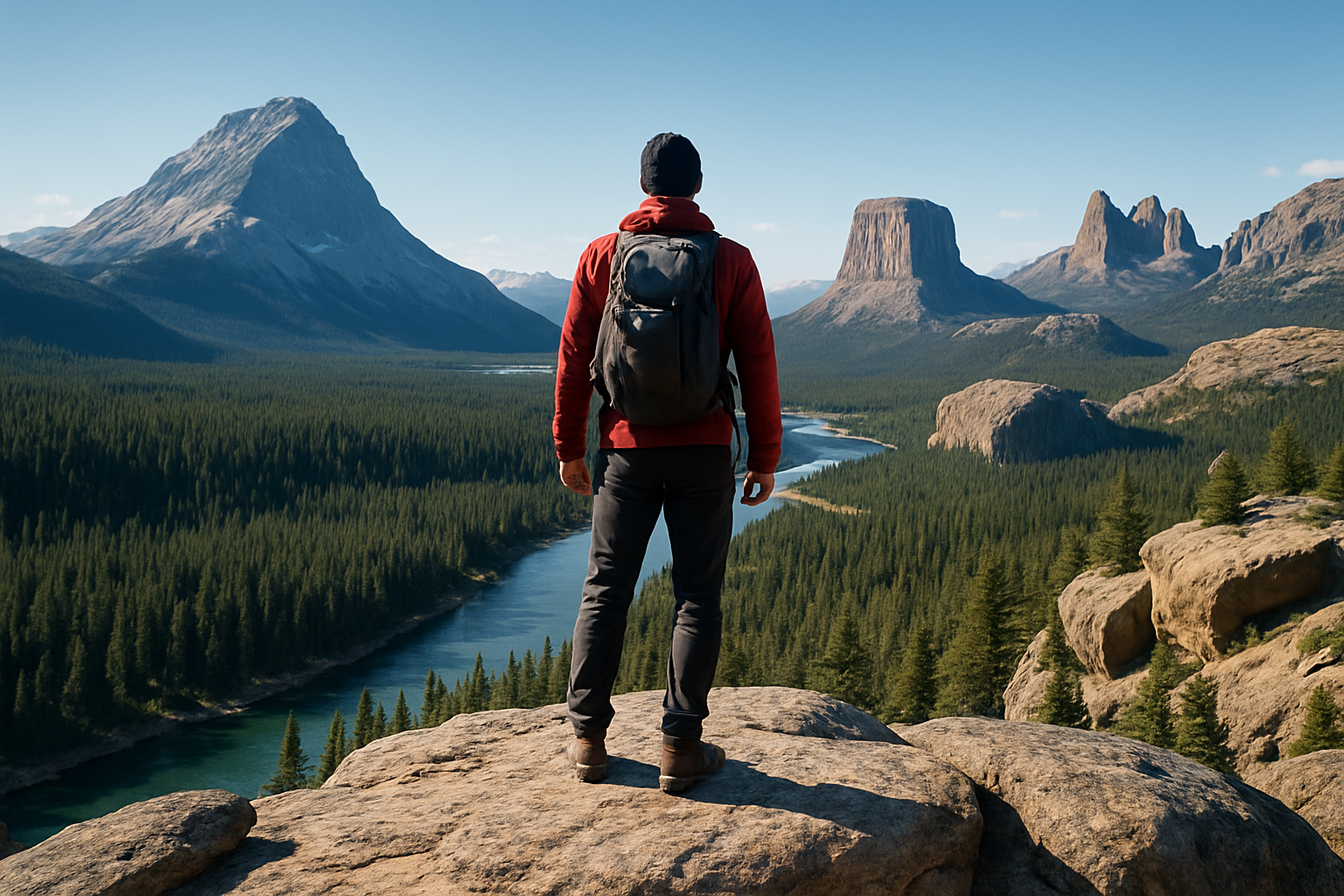
Natural landmarks are prominent physical features in the landscape that stand out and can be used as reference points. These features can include mountains, rivers, rock formations, trees, or even patterns in vegetation. Unlike man-made markers, natural landmarks are permanent and often visible from great distances, making them reliable guides for navigation.
In remote areas where technology might fail due to lack of signal or battery life, understanding the terrain and using these landmarks can prevent disorientation and improve your chances of successfully reaching your destination.
Types of Natural Landmarks to Look For
Not all natural features are equally helpful for navigation. Here are some common types of landmarks that outdoor adventurers can use:
- Mountain Peaks and Ridges: These are some of the most visible landmarks and often serve as natural waypoints.
- Rivers and Streams: Waterways usually follow a predictable path and can guide you toward human settlements or larger bodies of water.
- Unique Rock Formations: Distinctive shapes or colors in rocks can serve as memorable reference points.
- Tree Lines or Forest Edges: Changes in vegetation can indicate elevation changes, water sources, or transition zones.
- Large Boulders or Cliffs: These stand out in flat terrain and can help confirm your position on a map.
How to Identify and Memorize Natural Landmarks
Recognizing useful landmarks involves both observation and practice. Here are some tips to help you identify and commit landmarks to memory:
- Observe from a Distance: When entering a new area, take time to scan the horizon and note prominent features.
- Use Contrasting Features: Look for elements that contrast with their surroundings, such as a lone tree in a meadow or a brightly colored rock face.
- Note Landmarks’ Relative Positions: Memorize how landmarks align with one another or with your route.
- Sketch or Photograph: When possible, make quick sketches or take photos to reference later.
- Use All Senses: Sounds of a nearby river or unique smells can complement visual cues.
Techniques for Navigating Using Natural Landmarks
Once you have identified landmarks, several navigation techniques can help you stay oriented:
1. Triangulation
By sighting two or more fixed landmarks and estimating the angles between them, you can approximate your location on a map. This method is especially useful when combined with a compass and a topographic map.
2. Following Linear Features
Rivers, ridges, and valleys often form natural pathways. Following these features can guide you toward roads, trails, or inhabited areas, reducing the risk of getting lost.
3. Using the Sun and Shadows
In open terrain, the position of the sun and the direction of shadows can help you determine cardinal directions. Combining this with landmarks allows you to maintain a consistent heading.
4. Reference Points for Backtracking
Marking landmarks behind you as you progress, such as a distinctive tree or a unique rock, can assist in retracing your steps if necessary.
Practical Tips for Enhancing Landmark Navigation Skills
- Practice Map Reading: Study topographic maps to understand how natural features correspond to map symbols.
- Combine With Compass Use: A compass remains one of the most reliable tools and works hand-in-hand with landmarks.
- Keep a Travel Journal: Documenting your route and landmarks encountered sharpens observation skills.
- Stay Aware of Changing Conditions: Weather and seasons can alter the appearance of landmarks, so adapt your observations accordingly.
- Learn Local Terrain Features: Each region has unique natural markers; familiarize yourself with these before venturing out.
Benefits of Using Natural Landmarks Over Technology Alone
While GPS devices and smartphone apps have revolutionized navigation, they are not infallible. Batteries die, signals drop, and devices can malfunction. Natural landmarks offer several advantages:
- Reliability: They are always present and do not depend on technology.
- Increased Situational Awareness: Using landmarks encourages active engagement with your surroundings.
- Improved Safety: Knowing how to navigate naturally reduces risks associated with equipment failure.
- Self-Reliance: Developing these skills enhances confidence and independence in the wilderness.
Key Takeaways
- Natural landmarks are essential tools for navigation in remote areas where technology may fail.
- Identifying and memorizing distinctive features requires observation, practice, and sometimes sketching or photography.
- Techniques such as triangulation, following linear features, and using the sun’s position enhance accuracy.
- Combining natural landmarks with traditional tools like maps and compasses maximizes navigation effectiveness.
- Developing these skills improves safety, self-reliance, and confidence in outdoor exploration.
Related Resources
- REI Expert Advice: Navigation Basics – A comprehensive guide from REI on map reading, compass use, and navigation techniques.
- National Park Service: Land Navigation – Practical tips for navigating in the wilderness from a trusted government source.
- Backpacker Magazine: Navigation Skills – Articles and tutorials focused on improving outdoor navigation skills.
- The Mountaineers: Navigating With Natural Landmarks – Insights and detailed strategies for using natural features to find your way.