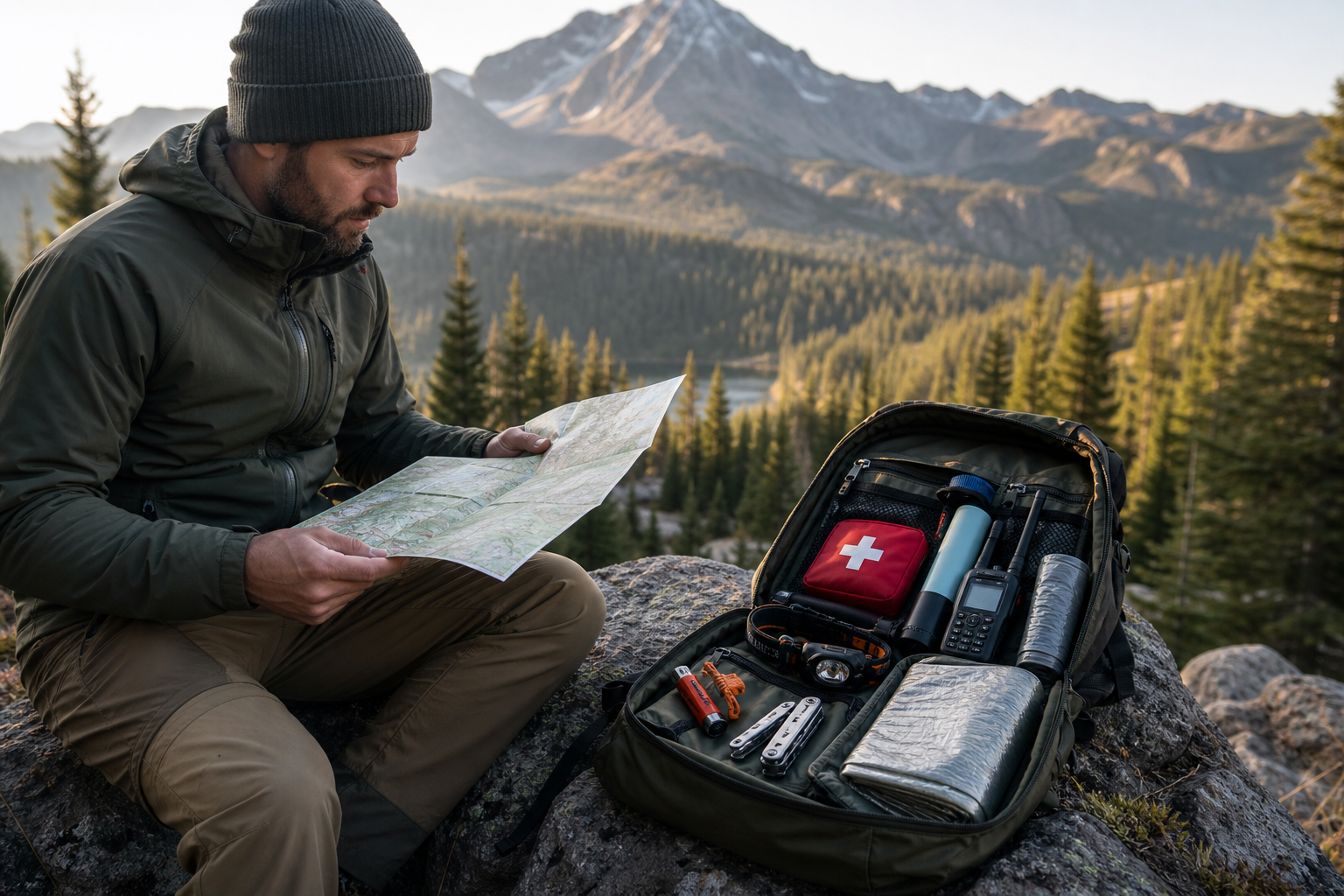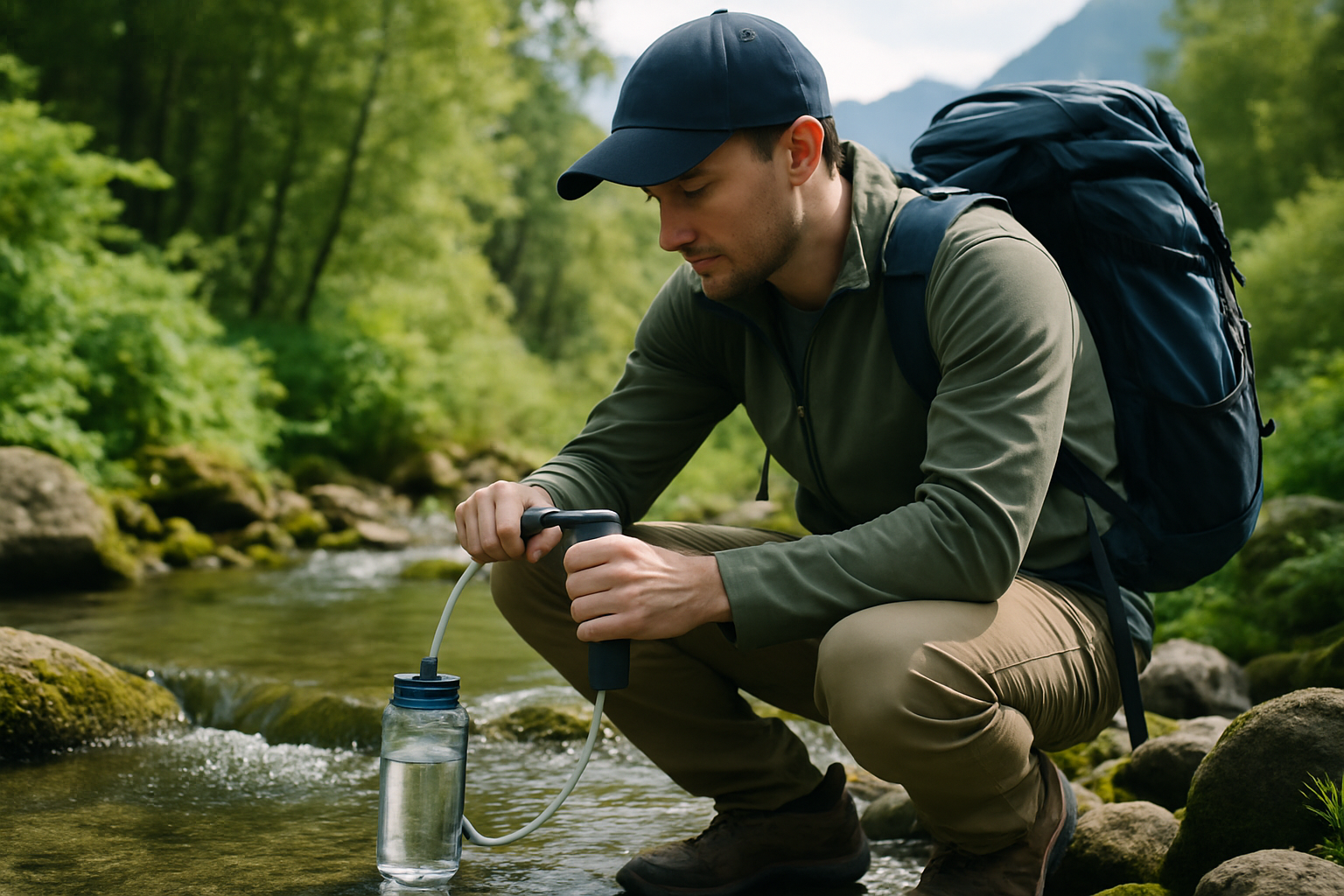
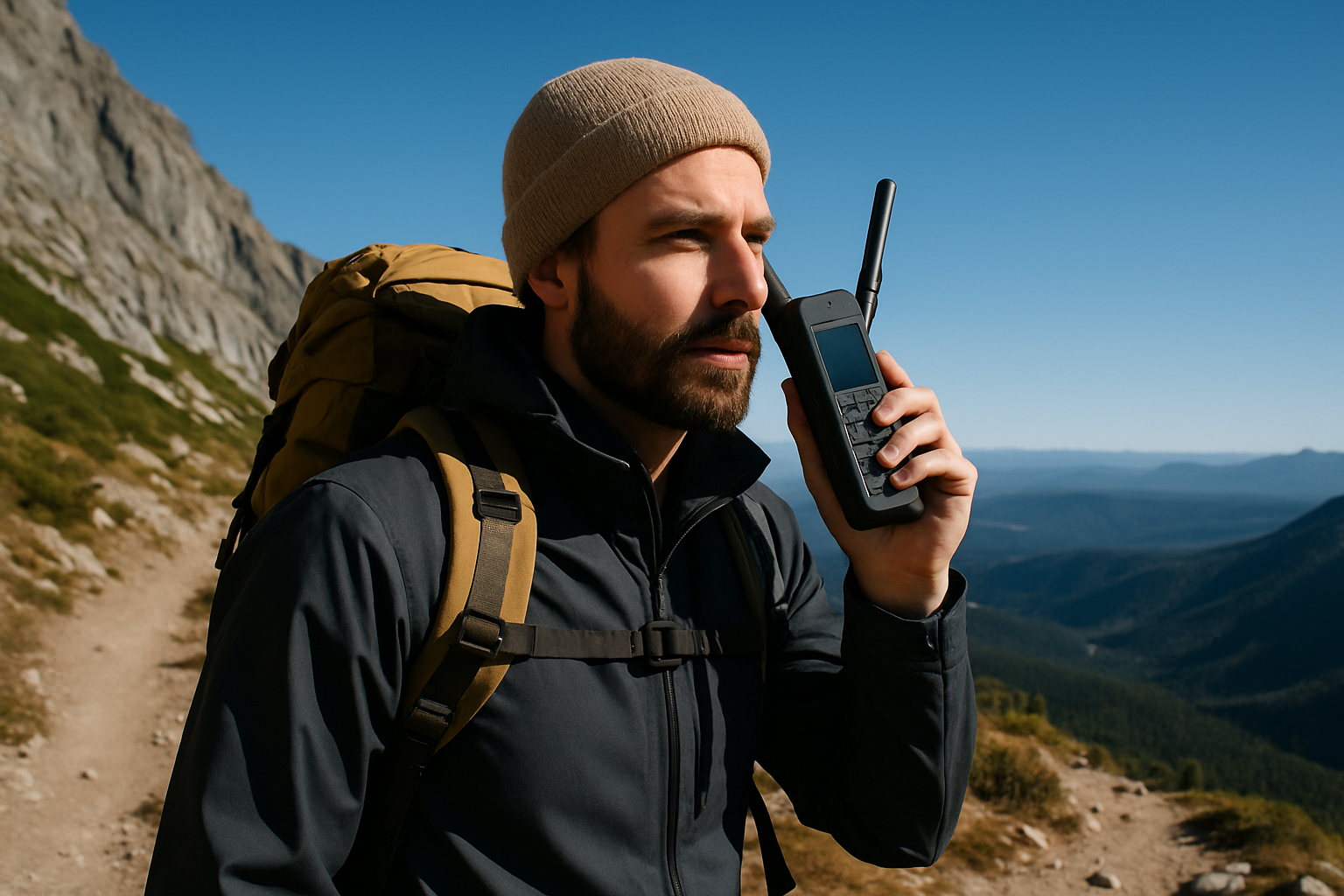
When venturing into remote and rugged landscapes, reliable communication is not just a convenience—it’s a critical safety component. Whether you’re trekking through dense forests, exploring arid deserts, or navigating mountain ranges far from cellular coverage, having the right emergency communication devices can be lifesaving. Modern technology offers several tools designed specifically for remote explorers, ensuring you can call for help, share your location, or stay connected in critical moments.
Why Emergency Communication Devices Matter
Remote expeditions inherently carry risks: unpredictable weather, challenging terrain, wildlife encounters, and potential injuries. In such environments, traditional cell phones often fail due to lack of signal. Emergency communication devices fill this gap by providing reliable connections independent of local networks.
These devices enhance safety by enabling:
- Immediate distress signaling to rescue authorities
- Location tracking for timely assistance
- Two-way communication for updates and coordination
- Peace of mind for explorers and their loved ones
Types of Emergency Communication Devices for Remote Explorers
1. Satellite Phones
Satellite phones operate by connecting directly to orbiting satellites, bypassing terrestrial cellular networks. This makes them invaluable in areas without cell coverage, such as deep wilderness or open ocean.
- Coverage: Virtually global, some models offer near-complete worldwide satellite coverage.
- Functionality: Voice calls, SMS, and sometimes basic data services are supported.
- Pros: Reliable voice communication, suitable for real-time conversations.
- Cons: Higher upfront and operational costs; bulkier than other devices; requires clear sky view for optimal signal.
Popular models: Iridium 9555, Inmarsat IsatPhone 2.
2. Personal Locator Beacons (PLBs)
Personal Locator Beacons are compact devices that transmit a distress signal with your GPS location to emergency responders via satellite networks such as COSPAS-SARSAT. Unlike satellite phones, PLBs are designed solely for emergency use and do not support two-way communication.
- Activation: Manual activation by the user during an emergency.
- Signal: Sends a distress alert with precise GPS coordinates to search and rescue agencies.
- Pros: Extremely reliable, long battery life, no subscription fees, lightweight and rugged.
- Cons: No ability to communicate back or cancel false alarms other than turning off the device.
Popular models: ACR ResQLink, McMurdo Fast Find Plus.
3. Satellite Messengers
Combining some features of satellite phones and PLBs, satellite messengers allow two-way text communication and GPS tracking. These devices connect with satellite constellations like Globalstar or Iridium.
- Features: Send and receive messages, share GPS location, track routes, and trigger SOS alerts.
- Pros: Versatile communication options, compact, often include mobile apps for easier message management.
- Cons: Subscription fees required; limited voice capabilities compared to satellite phones.
Popular models: Garmin inReach Mini, SPOT Gen4.
4. Two-Way Radios (Walkie-Talkies)
Two-way radios are a staple for short-range communication between members of a group in the field. While they do not provide emergency satellite connectivity, they are invaluable for coordinating logistics, safety checks, and immediate alerts within a limited range.
- Range: Typically 1 to 5 miles depending on terrain and model.
- Functionality: Instant voice communication without cellular or satellite infrastructure.
- Pros: No subscription fees, lightweight, easy to use, great for team communication.
- Cons: Limited range, not suitable for solo travelers seeking emergency rescue capabilities.
Popular models: Motorola Talkabout T800, BaoFeng UV-5R.
Choosing the Right Device for Your Adventure
Deciding which emergency communication device suits your needs depends on several factors:
- Destination and Coverage: Assess how remote your location is and the availability of cellular signals.
- Group Size and Communication Needs: Consider if you need to communicate only with emergency services or also with your group members.
- Budget: Factor in both initial purchase price and any ongoing subscription fees.
- Weight and Size: Prioritize portability if you’re backpacking or traveling light.
- Ease of Use: Choose devices with intuitive interfaces you can operate under stress.
Best Practices for Using Emergency Devices
- Test Your Device: Before heading out, ensure your device powers on, connects properly, and you understand its functions.
- Register Your Device: Many services require device registration to link your emergency contacts and information.
- Know When to Use It: Only activate emergency signals in genuine distress to avoid false alarms.
- Carry Backup Power: Bring extra batteries, solar chargers, or portable power banks to keep devices operational.
- Inform Someone: Always share your itinerary and expected return time with a trusted contact.
Key Takeaways
- Emergency communication devices are essential safety tools for remote explorers beyond cellular coverage.
- Satellite phones provide real-time voice communication but come with higher costs and size considerations.
- Personal Locator Beacons offer reliable one-way emergency distress signaling with no subscription fees.
- Satellite messengers combine GPS tracking with two-way text messaging for versatile communication.
- Two-way radios are ideal for short-range group communication but not for long-distance emergencies.
- Choosing the right device depends on your trip’s remoteness, communication needs, and budget.
Related Resources
- COSPAS-SARSAT – Official international satellite system for search and rescue, providing detailed info on PLBs and emergency signaling.
- Garmin inReach – Manufacturer site with comprehensive info on satellite messengers and tracking technology.
- Iridium Satellite Phones – Explore global satellite phone options with coverage maps and buying guides.
- Motorola Two-Way Radios – Trusted radios for outdoor communication with product specs and usage tips.
- REI Guide to Satellite Messengers – Practical advice and reviews for choosing satellite messaging devices for outdoor adventures.