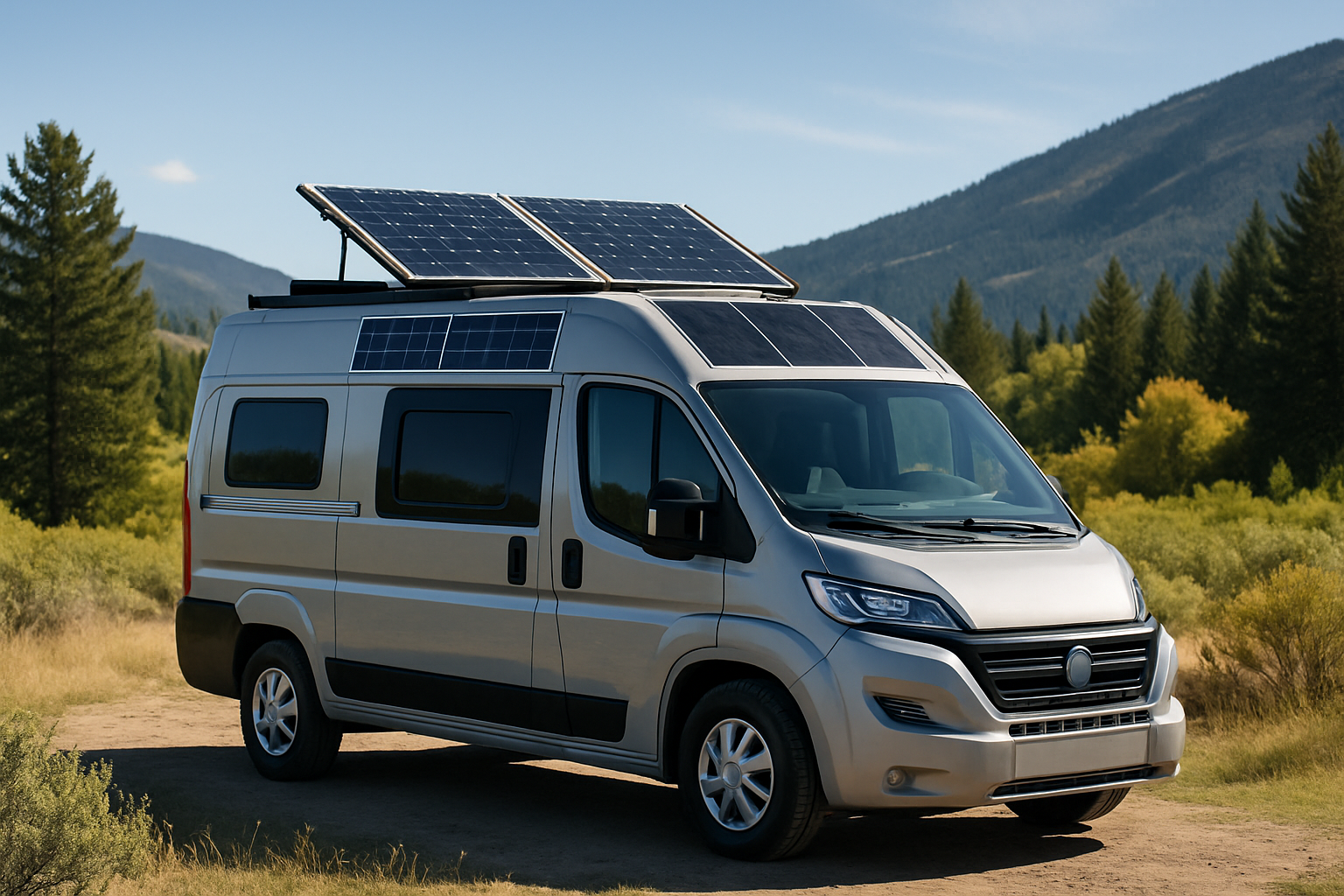
Living off-grid offers a unique blend of freedom, self-reliance, and connection to nature, but it also presents distinct challenges, especially when it comes to weather. Unlike urban or suburban settings, where infrastructure and services help mitigate the effects of weather extremes, off-grid living requires careful preparation and adaptation to the natural environment’s ever-changing conditions. Understanding how various weather patterns influence daily life is essential for ensuring safety, comfort, and sustainability when you’re far from traditional amenities.
How Weather Patterns Affect Off-Grid Living
Weather is one of the most critical factors shaping the off-grid experience. It impacts everything from energy production and water availability to food storage and personal safety. Below, we explore several common weather patterns and the specific challenges they pose for off-grid residents.
Seasonal Temperature Extremes
Off-grid living often means exposure to harsh temperature swings, whether scorching summer heat or freezing winter cold. These extremes affect:
- Energy consumption: Heating and cooling are major energy draws, especially when relying on solar, wind, or other renewable sources with limited capacity.
- Water supply: Freezing temperatures can cause pipes to burst or water sources to freeze, complicating access to drinking water and irrigation.
- Food storage: Without reliable refrigeration, managing perishable foods requires alternative methods like root cellars or dehydration.
- Personal safety: Exposure to heatstroke or hypothermia risks increases without proper shelter and clothing.
Heavy Rain and Flooding
Periods of intense rain can lead to flooding, soil erosion, and damage to infrastructure. Off-grid homes often rely on natural surroundings and simple constructions, making them vulnerable to water damage. Some key considerations include:
- Ensuring effective drainage systems around the property to prevent standing water.
- Elevating structures or using flood-resistant building materials to withstand water intrusion.
- Protecting water catchment systems from contamination by runoff or debris.
- Monitoring weather forecasts closely to anticipate and prepare for storms.
Wind and Storms
Strong winds and storms bring risks such as structural damage, power disruptions, and increased fire hazards due to downed power lines or dry debris. Off-grid residents should:
- Reinforce shelters with storm-resistant designs and materials.
- Secure outdoor equipment and loose objects that could become projectiles.
- Maintain backup energy systems like generators or battery banks in case primary systems fail.
- Develop a clear emergency plan that includes safe shelter locations and communication methods.
Snow and Ice
Snow and ice accumulation pose unique challenges, especially in regions where extended winter conditions limit mobility and resource access. Considerations include:
- Insulating homes and pipes to prevent freezing and heat loss.
- Stockpiling essential supplies to reduce the need for travel during storms.
- Using snow removal tools and techniques to keep pathways and solar panels clear.
- Planning for alternative heating sources if primary systems rely on solar energy that can be blocked by snow.
Practical Preparation Tips for Weather Resilience
Proactive preparation is key to thriving off-grid under varying weather conditions. Here are several practical strategies to enhance your resilience:
1. Invest in Versatile and Reliable Energy Systems
Solar panels, wind turbines, and micro-hydro systems all have strengths and weaknesses depending on weather patterns. Combining multiple energy sources (a hybrid system) can provide a buffer when one source is limited due to weather. Additionally, high-capacity battery storage and efficient energy management help maintain power during extended bad weather.
2. Design Weather-Resistant Shelters
Whether it’s a tiny cabin, yurt, or converted van, your dwelling should be built or modified with the local climate in mind. Consider:
- Using durable, insulated materials that can withstand wind, moisture, and temperature extremes.
- Incorporating passive solar design to maximize natural heating and cooling.
- Installing robust sealing and ventilation to prevent drafts and moisture buildup.
3. Establish Water Management Systems
Water is life off-grid, and its availability is directly affected by weather. Rainwater harvesting, well systems, and natural springs require protection from contamination and freezing. Use insulated piping, proper filtration, and covered storage tanks to maintain a safe and steady water supply.
4. Prepare Food Storage and Preservation Solutions
Without grid-powered refrigeration, off-grid residents must rely on alternative preservation methods such as:
- Root cellars or underground storage for temperature regulation.
- Dehydration, smoking, or curing to extend shelf life.
- Fermentation techniques for nutritious, long-lasting foods.
5. Maintain an Emergency and Weather Monitoring Plan
Staying informed about incoming weather is crucial. Use battery-powered radios, weather apps, and local alerts to anticipate changes. Have a well-stocked emergency kit with essentials like food, water, first aid supplies, and weather-appropriate clothing.
Adapting Your Lifestyle to Weather Realities
Beyond physical preparations, adapting your daily habits and mindset is equally important. Some practical lifestyle adaptations include:
Flexible Scheduling
Plan outdoor chores, gardening, and travel around weather forecasts. Avoid unnecessary risks during storms or extreme temperatures and take advantage of favorable conditions for solar energy use or water collection.
Layered Clothing and Shelter Strategies
Invest in high-quality, breathable, and weather-appropriate clothing that can be layered for changing conditions. Similarly, design your living spaces to allow for easy adjustment of ventilation, shading, and heating.
Community and Resource Networking
Even in remote settings, building relationships with nearby off-grid neighbors or local communities can provide vital support during extreme weather events. Shared resources, information exchange, and mutual aid strengthen resilience.
Key Takeaways
- Weather patterns directly impact energy, water, food, and safety in off-grid living.
- Preparation involves investing in hybrid energy systems, weather-resistant shelters, and reliable water and food management.
- Monitoring weather and having emergency plans ensures timely response to changing conditions.
- Adapting lifestyle habits and fostering community connections enhance resilience and well-being.