Foraging for edible plants is an invaluable skill for anyone venturing into the wilderness, whether for survival, self-reliance, or simply enhancing your outdoor experience. Understanding how to identify safe plants to eat can transform your time off-grid from a challenge into an empowering adventure. This guide will walk you through the essentials of plant identification, key safety precautions, and practical advice to help you forage responsibly and confidently in the wild.
Why Learn to Forage?
Foraging offers a unique way to connect with nature, providing access to fresh, nutritious food in remote environments without relying on modern conveniences. Beyond sustenance, it builds self-reliance, sharpens observation skills, and deepens your understanding of local ecosystems. For outdoor adventurers—whether overlanders, vanlifers, or off-grid homesteaders—knowing which plants are edible can be a lifesaver in emergencies and a rewarding addition to your survival toolkit.
Fundamentals of Identifying Edible Plants
Identification is the cornerstone of safe foraging. Mistaking toxic plants for edible ones can have serious, even fatal consequences. Here are the foundational steps for accurate plant identification:
1. Know Your Local Flora
Start by researching the edible plants native to or commonly found in your region. Field guides, local foraging books, and native plant databases are excellent resources. Many plants look similar, so focusing on regional species reduces confusion and risk.
2. Use Multiple Identification Features
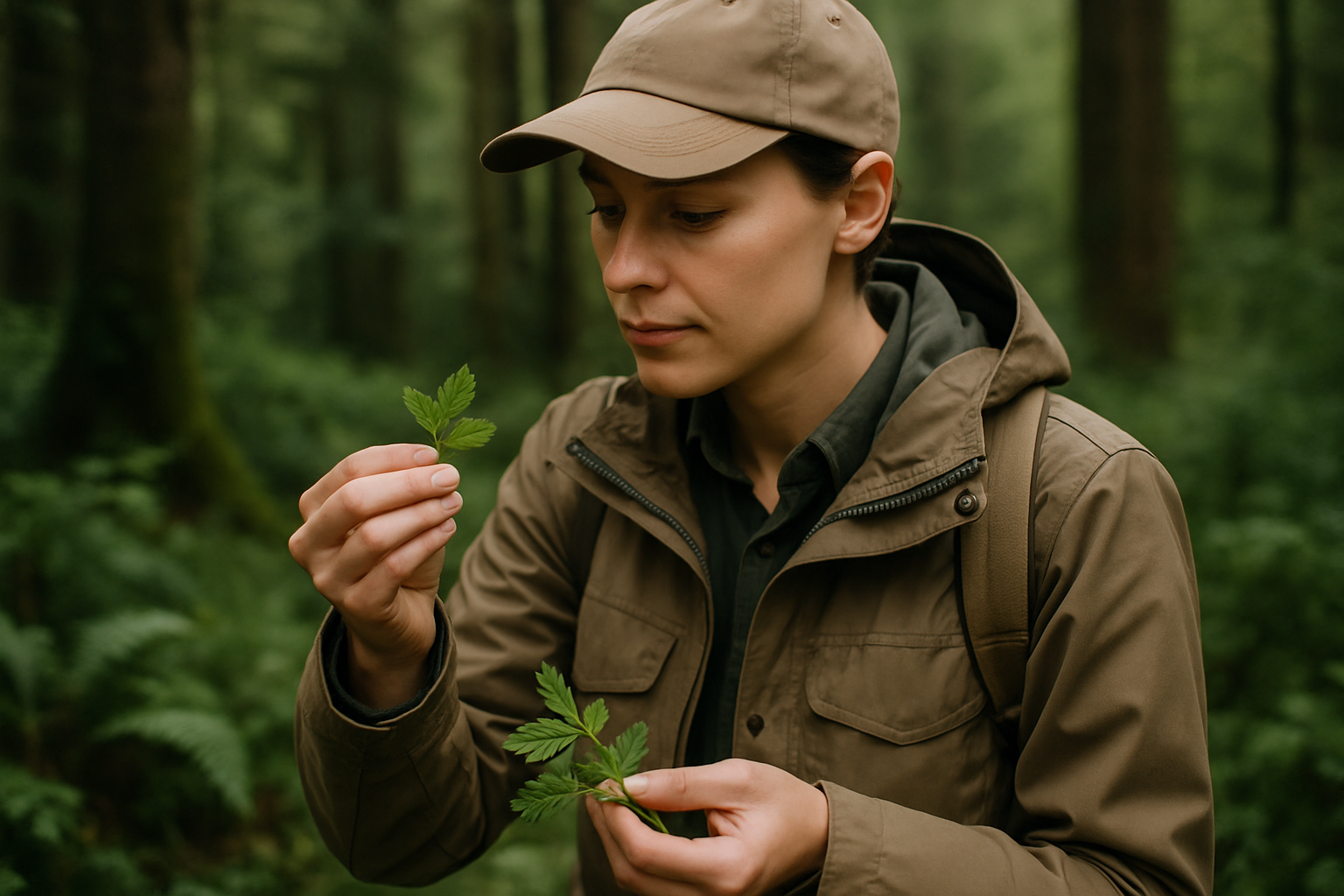
Don’t rely on a single trait to identify a plant. Examine:
- Leaves: Shape, arrangement (opposite, alternate, whorled), edges (smooth, toothed, lobed).
- Stems: Texture, color, presence of hairs or spines.
- Flowers: Color, shape, number of petals, bloom time.
- Fruits and Seeds: Size, color, texture, and maturation period.
- Habitat: Where the plant grows—wetlands, forests, meadows, or rocky areas.
3. Learn Key Edibility Indicators and Toxic Lookalikes
Some plants contain unmistakable features that signify toxicity, such as milky sap, almond-like odors, or hairy stems. Familiarize yourself with common toxic species in your area and their edible lookalikes to avoid confusion.
Top Edible Plants to Start With
While regional variation is vast, here are some reliable edible plants commonly found in many temperate regions to help you begin your foraging journey:
- Wild Garlic (Allium ursinum): Recognizable by its broad green leaves and garlic scent. Use leaves and flowers raw or cooked.
- Dandelion (Taraxacum officinale): Entire plant is edible—leaves for salads, flowers for fritters, and roots for tea.
- Plantain (Plantago spp.): Broad-leafed and common; young leaves can be eaten raw, older leaves cooked.
- Stinging Nettle (Urtica dioica): Handle with care and cook to neutralize sting; rich in vitamins and minerals.
- Chickweed (Stellaria media): Mild flavor, great for salads and sandwiches.
Always cross-reference plants with multiple sources before consumption.
Essential Safety Precautions for Foraging
Foraging safely requires discipline and respect for nature. Follow these precautions:
1. Never Eat Unknown Plants
If you cannot positively identify a plant as edible through multiple reliable sources, do not consume it. The consequences of misidentification can be severe.
2. Conduct an Edibility Test
If you are testing a new plant and are certain it’s non-toxic, use the Universal Edibility Test:
- Separate the plant into parts: leaves, stems, roots, buds, and flowers.
- Smell for any strong or unpleasant odors.
- Touch a small piece to your skin and wait for any reaction.
- If no reaction, place a small piece on your lips for a few minutes.
- If still safe, chew a small amount without swallowing and wait for several hours.
- If no adverse effects occur, try a small edible portion.
3. Avoid Polluted Areas
Do not forage near roadsides, industrial sites, or areas sprayed with pesticides or herbicides. Plants can absorb harmful chemicals from soil and air.
4. Harvest Sustainably and Ethically
Only take what you need, avoid uprooting entire plants unless abundant, and leave enough for wildlife and plant regeneration. Respect local laws and private property.
Practical Tips for Successful Foraging
Carry Essential Tools
A small folding knife, gloves, a basket or cloth bag for collecting, and a plant identification guide are indispensable. Waterproof boots and long sleeves can protect you from thorns and insects.
Time Your Foraging
Many edible plants have specific seasons when they are best harvested. Early spring often yields tender greens, while late summer and fall may provide fruits, nuts, and roots.
Prepare Plants Properly
Some edible plants require cooking or soaking to remove bitterness or toxins. Always research preparation methods for each plant you harvest.
Document Your Finds
Take photos and notes on locations, plant features, and harvest dates. This record will build your knowledge base and improve future foraging trips.
Understanding the Role of Foraging in Outdoor Survival
Foraging extends beyond just finding food—it’s a mental and physical practice that fosters resilience and mindfulness in nature. It encourages you to slow down, observe your surroundings, and develop a profound respect for the environment. In survival scenarios, the ability to supplement your diet with wild edibles can mean the difference between hardship and sustained health.
“The skill of foraging is not merely about food, but about learning to live harmoniously with the land.” – Modern Nomad Gear
Key Takeaways
- Thorough plant identification is crucial—use multiple features and trusted resources.
- Start with well-known edible plants in your region and avoid unknown species.
- Practice safety first: never consume a plant unless you are completely certain it’s safe.
- Use the Universal Edibility Test as a last resort and always forage in clean, uncontaminated areas.
- Respect nature by harvesting sustainably and following local regulations.
- Incorporate proper tools, timing, and preparation for the best foraging experience.
By mastering these fundamentals, you’ll gain confidence in foraging edible plants and enrich your outdoor adventures with the skills to thrive off-grid. Remember, the wilderness is a classroom—approach it with curiosity, patience, and respect.