
For outdoor adventurers, vanlifers, and off-grid explorers, reliable internet connectivity often feels like a luxury rather than a necessity. Yet, in today’s connected world, being able to communicate, access navigation tools, weather updates, emergency services, and streaming entertainment can significantly enhance safety and enjoyment during remote adventures. SpaceX’s Starlink satellite internet service has been a game-changer in this regard, bringing high-speed internet to areas where traditional networks struggle to reach. Now, with a recent regulatory approval for Starlink dishes featuring a wider field of view, connectivity is set to improve even further for those living and traveling off the beaten path.
Understanding Starlink’s Expanded Field of View
Starlink’s internet service relies on a constellation of low Earth orbit (LEO) satellites that beam internet signals down to user terminals, commonly known as Starlink dishes. The original design of these dishes included a limited field of view, restricting their ability to maintain a stable connection if the device’s view of the sky was partially obstructed by trees, mountains, or vehicle structures.
The newly approved Starlink dishes are designed with a wider field of view, meaning they can detect and maintain communication with satellites over a broader area of the sky. This expanded coverage reduces the chances of signal dropouts caused by natural or man-made obstructions, especially in rugged outdoor environments.
How Does a Wider Field of View Impact Connectivity?
- Improved Signal Stability: The wider field of view allows the dish to track more satellites simultaneously, ensuring a steadier connection even when the dish isn’t perfectly aligned or when the user is surrounded by trees or uneven terrain.
- Faster Acquisition Time: When powering on, the dish can lock onto satellites more quickly, reducing wait times before getting online.
- Enhanced Mobility Support: For vanlifers and RV owners, a wider field of view means better connectivity while on the move or parked in less-than-ideal locations.
- Greater Resilience in Remote Locations: Off-grid adventurers can experience fewer interruptions, critical when communication can be a lifeline.
Benefits for Outdoor Enthusiasts and Off-Grid Living
For those who choose to live or travel away from traditional infrastructure, Starlink’s wider field of view offers practical benefits that align with the priorities of Modern Nomad Gear readers.
Vanlifers and Mobile Adventurers
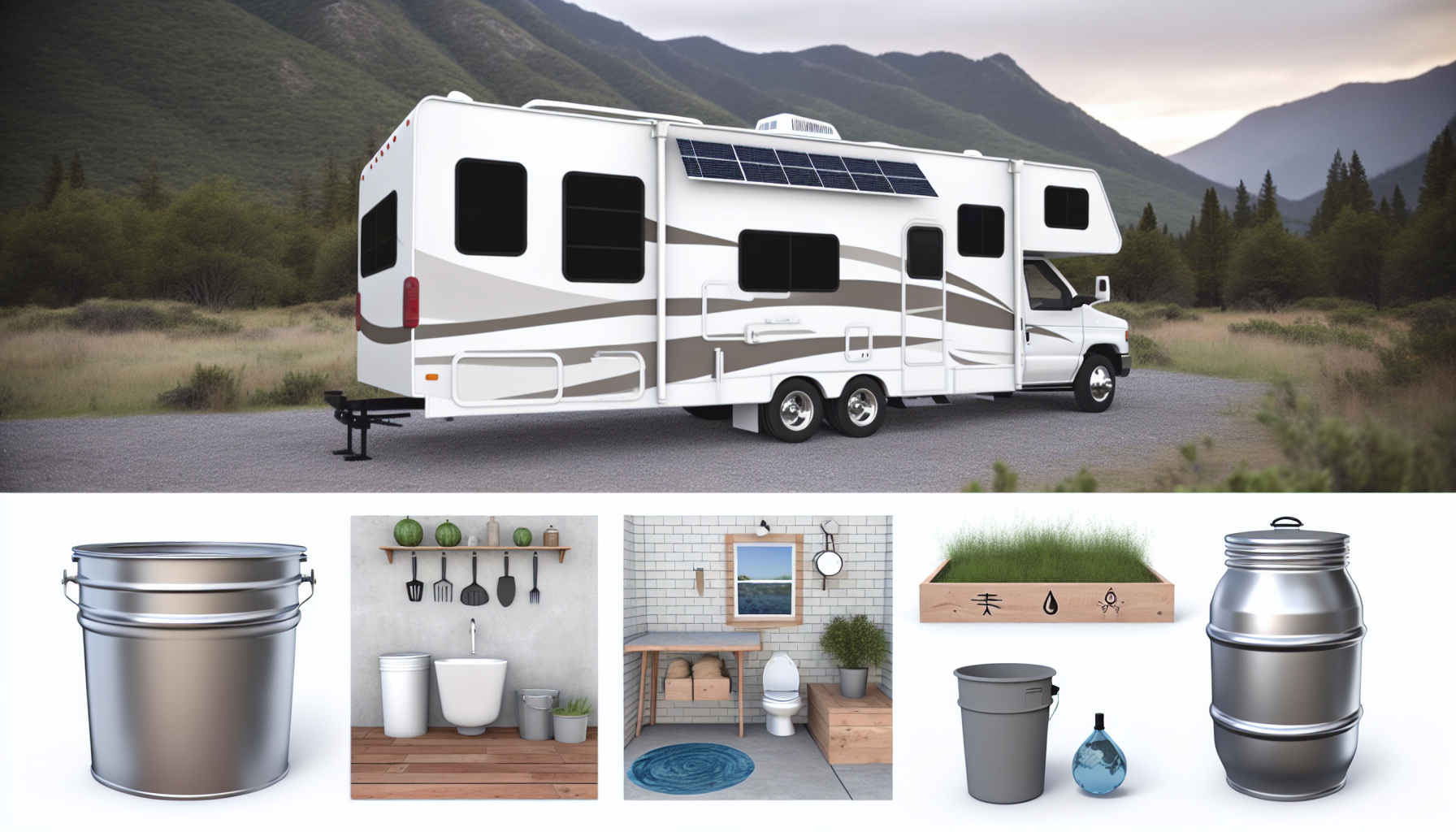
Vanlife has surged in popularity, but one of the biggest challenges remains reliable internet access. Whether working remotely, streaming entertainment, or staying connected with family, having dependable internet can ease the isolation of life on the road. The new Starlink dishes allow vanlifers to park in forested campgrounds, mountain passes, or rural areas without losing connectivity due to partial obstructions.
Backcountry and Wilderness Explorers
Hikers, backpackers, and off-grid explorers often find themselves in valleys, wooded areas, or mountainous regions where traditional satellite dishes struggle to maintain a signal. Starlink’s enhanced dish design enables better access to online maps, weather alerts, and emergency communication tools even in challenging terrain.
Remote Work and Emergency Preparedness
For outdoor enthusiasts who rely on internet access for remote work, this wider field of view reduces downtime and frustration caused by signal interruptions. Furthermore, in emergencies, a reliable connection to call for help or access critical information can be life-saving.
Technical Considerations and Setup Tips
While the wider field of view improves performance, users should still consider some best practices to maximize connectivity:
- Optimal Placement: Position the dish with as clear a view of the sky as possible, ideally avoiding dense tree canopies or large metal structures.
- Stable Mounting: Use sturdy mounts or tripods designed for outdoor use to keep the dish steady during windy conditions or vehicle movement.
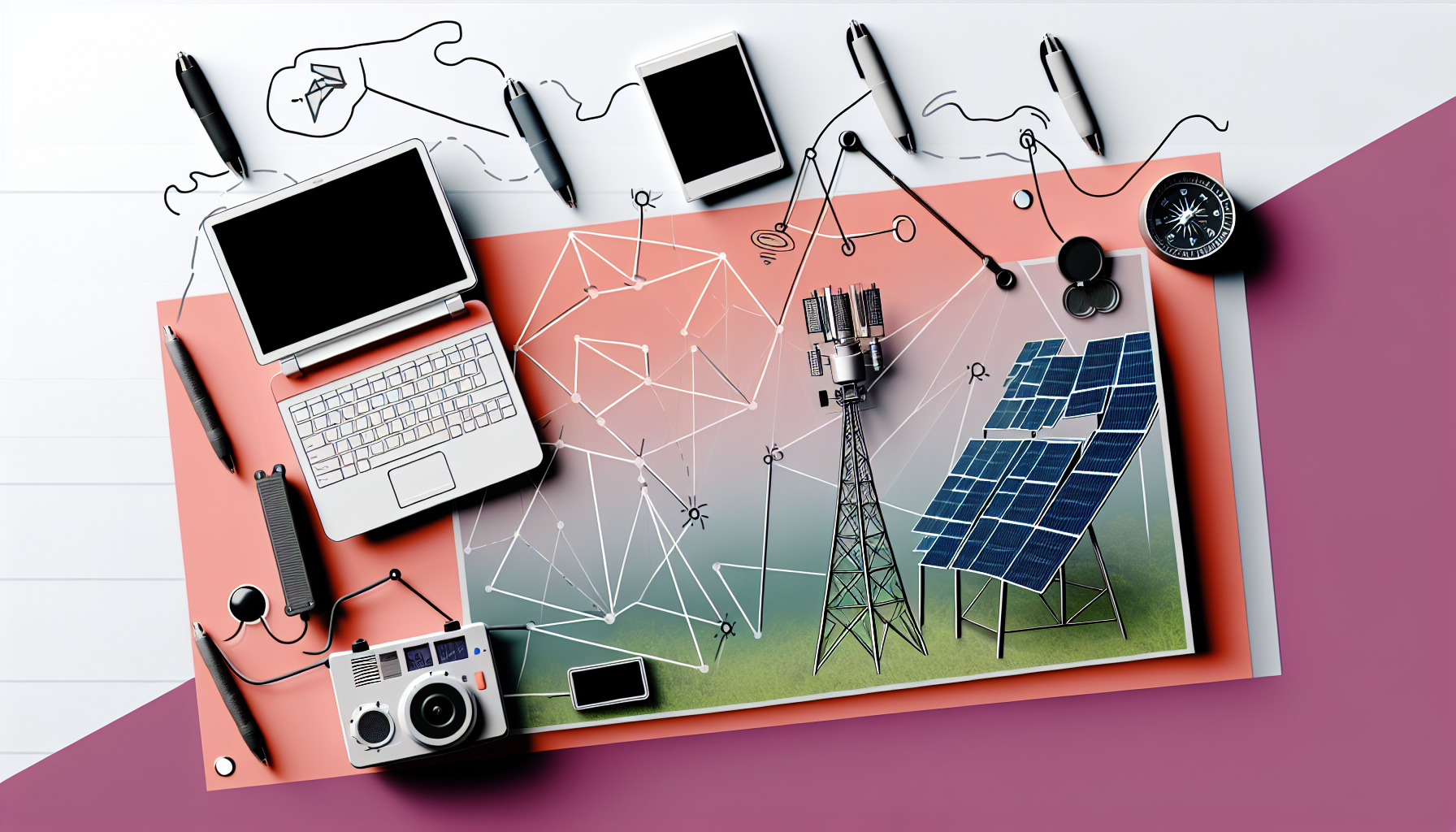
- Power Supply: Ensure a reliable power source, whether from a vehicle battery system, solar setup, or portable generator, to keep the dish operational at all times.
- Software Updates: Keep the Starlink device firmware updated to benefit from the latest performance improvements and features.
Environmental Impact and Sustainable Use
Starlink’s mission to connect underserved areas aligns with sustainable living and responsible technology use. Outdoor adventurers can leverage this technology to reduce their footprint by minimizing the need for fossil fuel–based communication infrastructure like diesel-powered signal boosters or frequent travel to find Wi-Fi hotspots.
However, users should remain mindful of the electronic waste and energy consumption associated with satellite internet equipment. Choosing durable hardware, responsibly recycling old equipment, and powering devices with renewable energy sources whenever possible contribute to minimizing environmental impacts.
Key Takeaways
- Starlink’s new dishes with a wider field of view significantly improve internet connectivity in remote, obstructed, or rugged outdoor environments.
- Vanlifers, off-grid explorers, and backcountry adventurers benefit from more stable, faster satellite internet access for communication, navigation, and work.
- Proper dish placement, stable mounting, and reliable power supply remain crucial to maximizing performance.
- Utilizing this technology responsibly supports sustainable off-grid living by reducing the need for traditional infrastructure and fossil fuel–dependent alternatives.
Related Resources
- Starlink Official Website – Learn more about Starlink’s satellite internet service, hardware options, and coverage areas.
- U.S. Forest Service – Technology Use in Wilderness – Insights into responsible technology use and connectivity in natural areas.
- OffGrid Web: Starlink Internet Review – A detailed review of Starlink’s performance for off-grid living and remote adventures.
- U.S. Department of Energy – Solar Power for Camping – Practical advice on powering devices sustainably while outdoors.