Fungi are often overlooked in discussions about outdoor survival and ecosystem health, yet they play indispensable roles in both arenas. From breaking down organic matter to providing vital food sources, fungi operate as nature’s recyclers and sustainers. For outdoor enthusiasts, understanding fungi can enhance survival skills while deepening appreciation for the natural world. This article explores how fungi contribute to ecosystem balance and practical strategies for recognizing their benefits in the wild.
The Ecological Importance of Fungi
Fungi form a unique kingdom of organisms that differ significantly from plants and animals. Unlike plants, fungi lack chlorophyll and cannot photosynthesize; instead, they obtain nutrients by decomposing organic matter or forming symbiotic relationships with other organisms. This ability positions fungi as essential players in nutrient cycling and ecosystem health.
Decomposers and Nutrient Cyclers
One of the most vital ecological functions fungi perform is decomposition. They break down complex organic materials such as dead wood, leaves, and animal remains into simpler compounds. This process releases nutrients like nitrogen, phosphorus, and potassium back into the soil, making them accessible to plants and other organisms.
- Soil Fertility: Fungal decomposition enriches soil, promoting robust plant growth.
- Carbon Cycle: By breaking down carbon-rich materials, fungi regulate carbon storage and release, impacting climate processes.
- Waste Reduction: Fungi reduce the accumulation of organic debris in ecosystems, maintaining environmental balance.
Symbiotic Relationships: Mycorrhizae
Many fungi form mutualistic associations with plant roots called mycorrhizae. This symbiosis improves water and nutrient uptake for plants, particularly phosphorus, while fungi receive carbohydrates produced by the host plant through photosynthesis.
Mycorrhizal fungi enhance plant health and resilience, aiding in:
- Improved drought resistance
- Enhanced nutrient absorption
- Increased resistance to soil pathogens
These relationships are fundamental for forest ecosystems, grasslands, and even agricultural soils, underscoring the wide-reaching ecological influence of fungi.
Fungi as Food Web Foundations
Fungi also serve as a critical food source for many invertebrates and small mammals, contributing to the complex food webs within ecosystems. By supporting these species, fungi indirectly sustain larger predators and maintain biodiversity.
Practical Uses of Fungi in Outdoor Survival
Beyond their ecological roles, fungi have practical applications for outdoor enthusiasts and survivalists. Knowledge of fungi can provide critical resources in off-grid living and emergency situations.
Edible and Medicinal Mushrooms
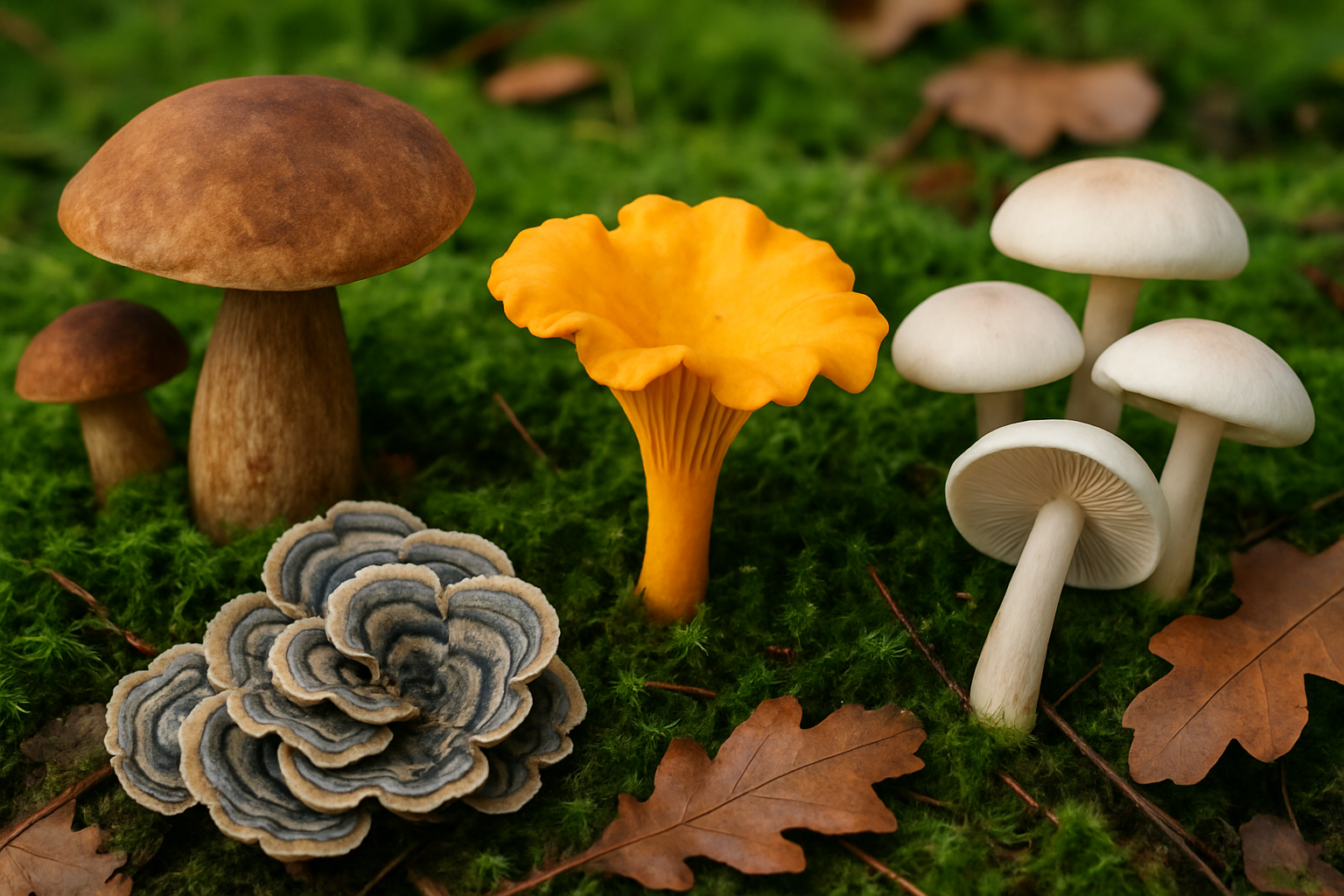
Many wild mushrooms are edible and can supplement nutrition when foraging. Species such as morels, chanterelles, and puffballs are prized for their flavor and nutrient content. However, accurate identification is crucial, as some mushrooms are toxic or deadly.
- Identification Tips: Learn key characteristics like cap shape, gill attachment, spore color, and habitat.
- Local Guides: Use regional mushroom field guides or apps to cross-reference finds.
- Consult Experts: When in doubt, seek advice from experienced foragers or mycologists.
In addition to food, some fungi have medicinal properties. For example, reishi and turkey tail mushrooms have been used traditionally to boost immune function and combat infections. While not a substitute for professional medical treatment, these fungi can provide supportive health benefits in survival contexts.
Fungi for Fire Starting and Shelter
Certain fungi can aid survival by serving as tinder or insulation materials. Chaga and amadou fungus, for instance, are known for their ability to catch and hold sparks, making them excellent fire starters in damp conditions.
Additionally, some fungi grow thick, cork-like layers on trees that can be harvested for insulation or waterproofing, useful for constructing shelters in harsh environments.
Water Purification and Soil Stabilization
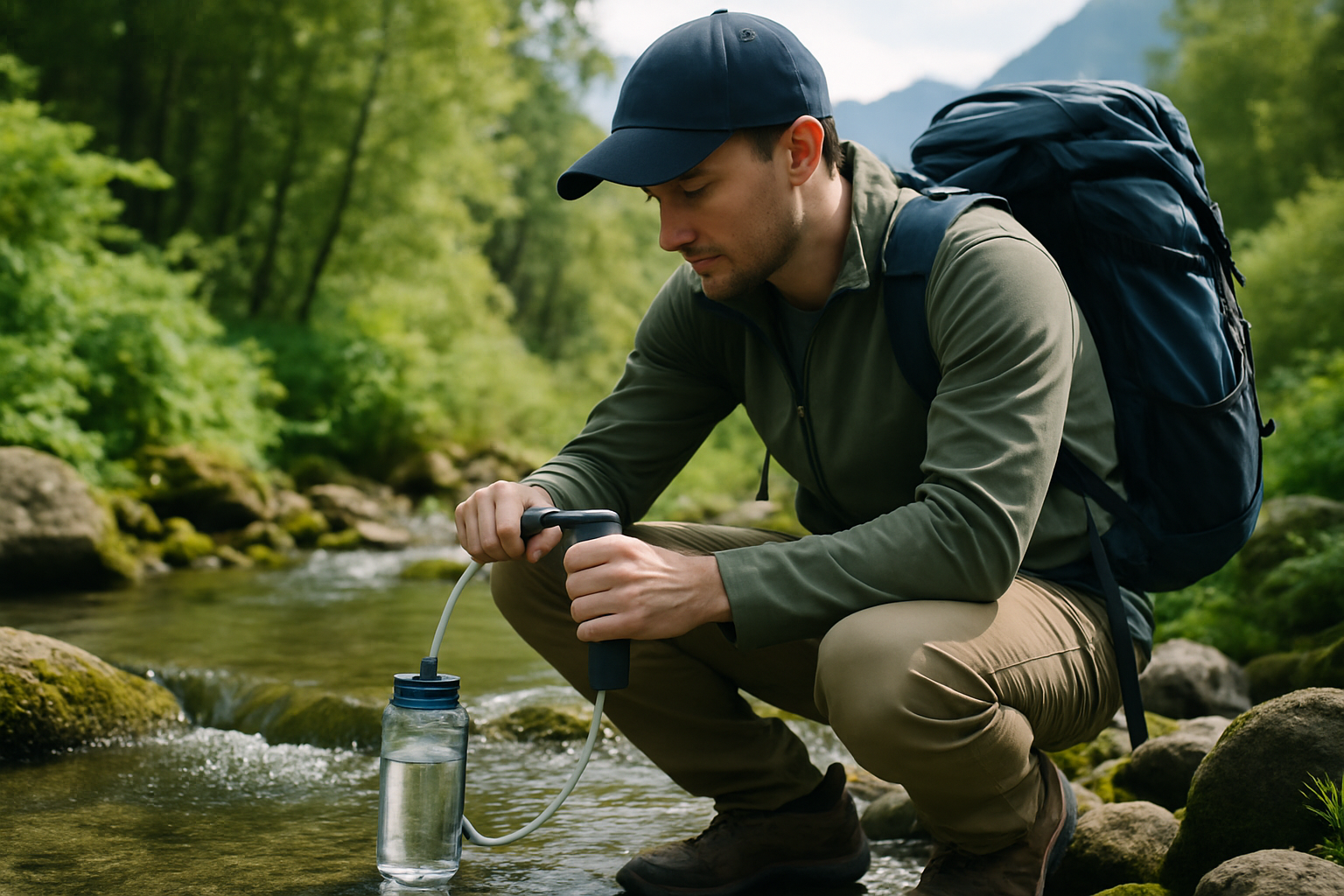
Emerging research suggests some fungi species have the ability to filter contaminants from water, offering potential for natural water purification methods in the wild. Furthermore, fungi contribute to soil stabilization by binding soil particles together, reducing erosion—an important consideration for long-term campsite sustainability and land management.
How to Safely Incorporate Fungi into Outdoor Practices
While fungi are promising allies in survival and ecosystem health, safety and sustainability must guide their use.
Responsible Foraging
Harvest fungi sustainably by taking only what you need and avoiding overharvesting in one area. This practice supports fungal populations and the broader ecosystem.
Proper Identification and Preparation
Never consume wild mushrooms without positive identification. Even edible species require proper preparation to neutralize toxins or improve digestibility. Cooking thoroughly and avoiding raw consumption minimizes health risks.
Respect for Ecosystems
Fungi are integral parts of ecosystems; removing large quantities can disrupt nutrient cycling and habitat for other organisms. Always consider the ecological impact of your actions and strive to leave minimal trace.
Key Takeaways
- Fungi play a crucial role in nutrient cycling, decomposing organic matter and enriching soil for healthy ecosystems.
- Mycorrhizal fungi form symbiotic relationships with plants, enhancing water and nutrient uptake essential for plant resilience.
- Wild edible and medicinal mushrooms can provide valuable food and health resources for outdoor survival but require careful identification and preparation.
- Certain fungi species assist in fire starting and can contribute to shelter building, offering practical survival benefits.
- Responsible foraging and ecological respect ensure fungi continue to sustain ecosystems and future adventurers.