Emergency preparedness is not just a checklist for worst-case scenarios; it is a practical system for staying capable when normal support disappears. For outdoor adventurers, survivalists, off-grid living enthusiasts, and remote travelers, emergencies often happen far from cell service, paved roads, medical care, or easy resupply. A storm can close a mountain pass, a vehicle can break down on a desert track, a wildfire can force evacuation from an off-grid property, or a simple injury can become serious when help is hours away. Better preparedness results come from building habits, testing gear, and making realistic plans before conditions deteriorate.
The goal is not to carry everything or live in fear. The goal is to reduce uncertainty. A well-prepared person can make decisions calmly, protect their body temperature, communicate their location, treat common injuries, secure drinking water, and adapt when plans change. This guide focuses on implementation-ready steps that fit the realities of remote travel and self-sufficient living.
Start With Realistic Risk Assessment
Good emergency preparedness begins with the actual risks you face, not generic fear-based scenarios. A weekend backpacker in the Rockies, a van traveler crossing Utah, and a family living off-grid in northern Maine all need different plans. Start by identifying your environment, season, distance from help, and likely failure points.
Use a simple risk assessment before every trip or seasonal change:
- Weather exposure: Heat, freezing temperatures, lightning, wind, snow load, flash flooding, or wildfire smoke.
- Terrain hazards: River crossings, avalanche zones, desert washes, unstable slopes, dense forests, or remote roads.
- Access to help: Cell coverage, radio options, road conditions, distance to emergency services, and evacuation routes.
- Health risks: Allergies, medications, chronic conditions, dehydration, hypothermia, altitude illness, or injury history.
- Resource dependence: Fuel, water, battery power, food stores, heating, transportation, and communications.
For example, if you are planning a remote vehicle trip, your biggest risk may not be running out of food. It may be a punctured tire, dead battery, washed-out road, or lack of communication. If you live off-grid, your recurring risk may be a winter power failure that affects heat, water pumping, refrigeration, and lighting at the same time. Preparedness improves when your planning matches your most likely disruptions.
Build Preparedness Around Core Survival Priorities
Emergency preparedness becomes easier when organized around priorities. In remote environments, the order often depends on conditions, but the core categories remain consistent: protection from exposure, water, medical care, communication, food, navigation, and security.
1. Shelter and Body Temperature
Exposure can become life-threatening faster than hunger or thirst. Your first job in many emergencies is to stay warm, dry, shaded, or protected from wind. For outdoor travel, this means carrying layers that still work if your pace slows or you become injured. For off-grid living, it means having backup heat and a plan for extreme temperatures.
A practical shelter and warmth system might include:
- A weather-appropriate insulating layer stored in a dry bag.
- A rain shell or wind shell even when the forecast looks favorable.
- Emergency bivy, tarp, or compact shelter for day hikes and vehicle kits.
- Gloves, hat, and dry socks in cold or wet regions.
- Backup heat source for cabins, homesteads, or remote properties, used safely with ventilation and carbon monoxide awareness.
In hot climates, preparedness shifts toward shade, hydration, and cooling. A wide-brim hat, sun shirt, electrolyte plan, reflective tarp, and an understanding of heat illness can matter more than heavy insulation.
2. Water Collection, Treatment, and Storage
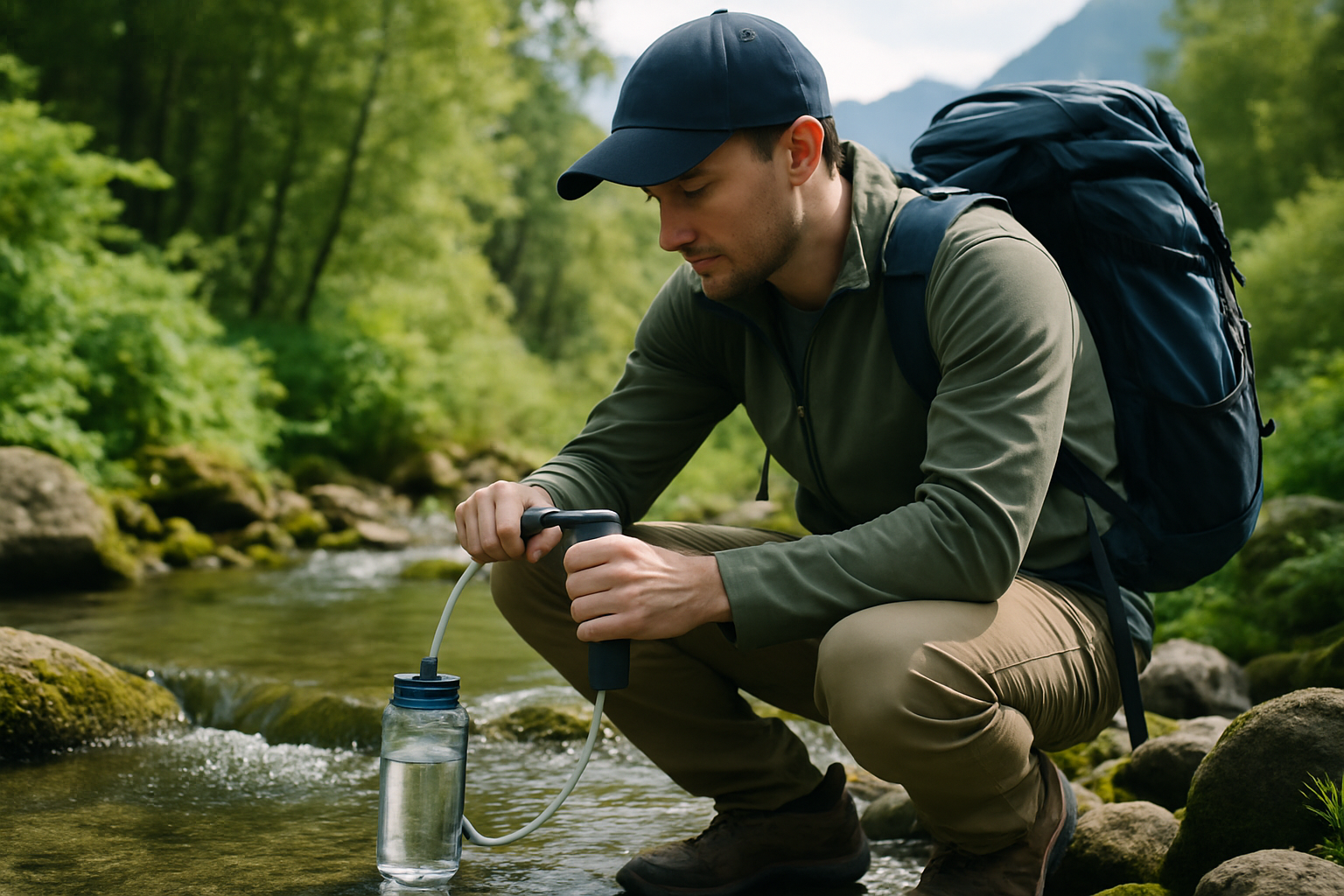
Water planning needs to be specific. “Bring water” is not enough. You should know how much you need, where you can resupply, and how you will make questionable water safe.
For remote travel, carry a layered water system:
- Primary supply: Bottles, hydration reservoirs, or vehicle containers sized for the environment.
- Treatment: Filter, purifier, chemical tablets, or boiling method appropriate for local risks.
- Backup: Small tablets, compact filter straw, or metal container for boiling.
- Storage: Collapsible container for camp or emergency reserve.
For off-grid properties, emergency water should include stored potable water, a way to access water during a power outage, and a treatment method. If your well pump depends on electricity, consider a backup power plan, hand pump option, gravity-fed storage, or nearby water source that can be filtered and disinfected.
3. Medical Readiness That Matches Your Activities
A first aid kit is only useful if it matches your risks and you know how to use it. A kit for backpacking should emphasize bleeding control, blister care, sprains, pain management, allergies, and wound cleaning. A vehicle-based remote travel kit can be larger and should include trauma supplies, splinting materials, cold packs, burn care, and extra medications.
At minimum, consider carrying:
- Pressure bandage, gauze, medical tape, and wound closure strips.
- Tourniquet from a reputable manufacturer and training on when to use it.
- Antiseptic wipes or wound irrigation syringe.
- Blister treatment, moleskin, or hydrocolloid dressings.
- Elastic wrap for sprains and strains.
- Personal medications plus extra doses for delays.
- Antihistamine and any prescribed emergency allergy treatment.
- Small medical reference card with allergies, conditions, and emergency contacts.
Training matters as much as supplies. A wilderness first aid course is one of the highest-value preparedness investments for anyone who travels beyond quick access to emergency medical services.
Create a Communication Plan Before You Lose Signal
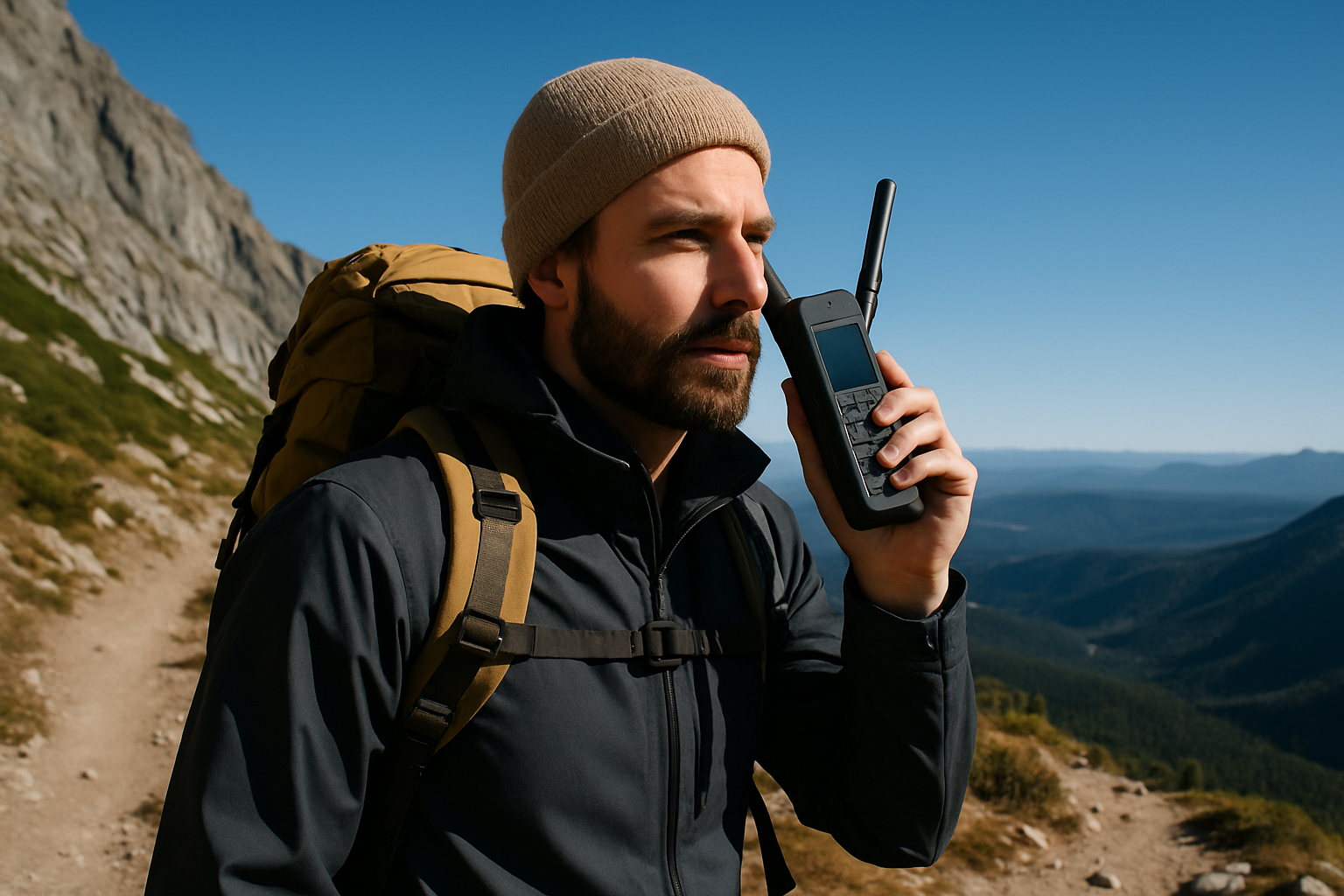
In remote settings, communication is often the weak link. Do not assume your phone will work. A strong emergency preparedness plan includes redundant communication options and clear expectations with someone outside your group.
Before leaving, share a trip plan that includes your route, destination, vehicle description, license plate, group members, planned check-in times, and a clear “if you do not hear from me by” deadline. Avoid vague instructions like “call someone if I’m late.” Instead, specify when to contact local authorities or search and rescue.
Useful communication tools include:
- Satellite messenger: Valuable for check-ins, SOS functions, and location sharing outside cell coverage.
- Personal locator beacon: A strong emergency-only option for life-threatening situations.
- Two-way radios: Useful for group travel, vehicle convoys, hunting camps, or large off-grid properties.
- Paper contact list: Important if your phone dies or is damaged.
- Power bank or solar charger: Helps keep communication tools usable during delays.
For off-grid households, consider how you will receive weather alerts and emergency information if internet service is down. A battery-powered or hand-crank NOAA weather radio is simple, affordable, and reliable.
Prepare Your Vehicle Like a Lifeline
For many adventurers and remote travelers, the vehicle is more than transportation. It is shelter, storage, power source, and evacuation tool. Vehicle preparedness should be treated as seriously as your pack.
A remote vehicle emergency kit should include:
- Full-size spare tire, jack, tire plug kit, and portable air compressor.
- Jumper cables or lithium jump starter.
- Basic tools, duct tape, zip ties, hose clamps, and work gloves.
- Recovery boards, shovel, and tow strap if traveling sand, mud, or snow.
- Extra water, food, blankets, and weather-appropriate clothing.
- Headlamp, backup flashlight, and spare batteries.
- Paper maps for areas where GPS may fail.
- Fire extinguisher rated for vehicle use.
One practical rule: never let fuel drop below half a tank in remote areas. In winter, poor weather, road closures, or running the engine intermittently for heat can quickly turn a small delay into a serious situation.
Use Layered Gear Instead of Single Points of Failure
Preparedness improves when no single item is responsible for your safety. A lighter can fail, a phone can die, a filter can freeze, and a GPS unit can break. Layering means having primary, secondary, and improvised options.
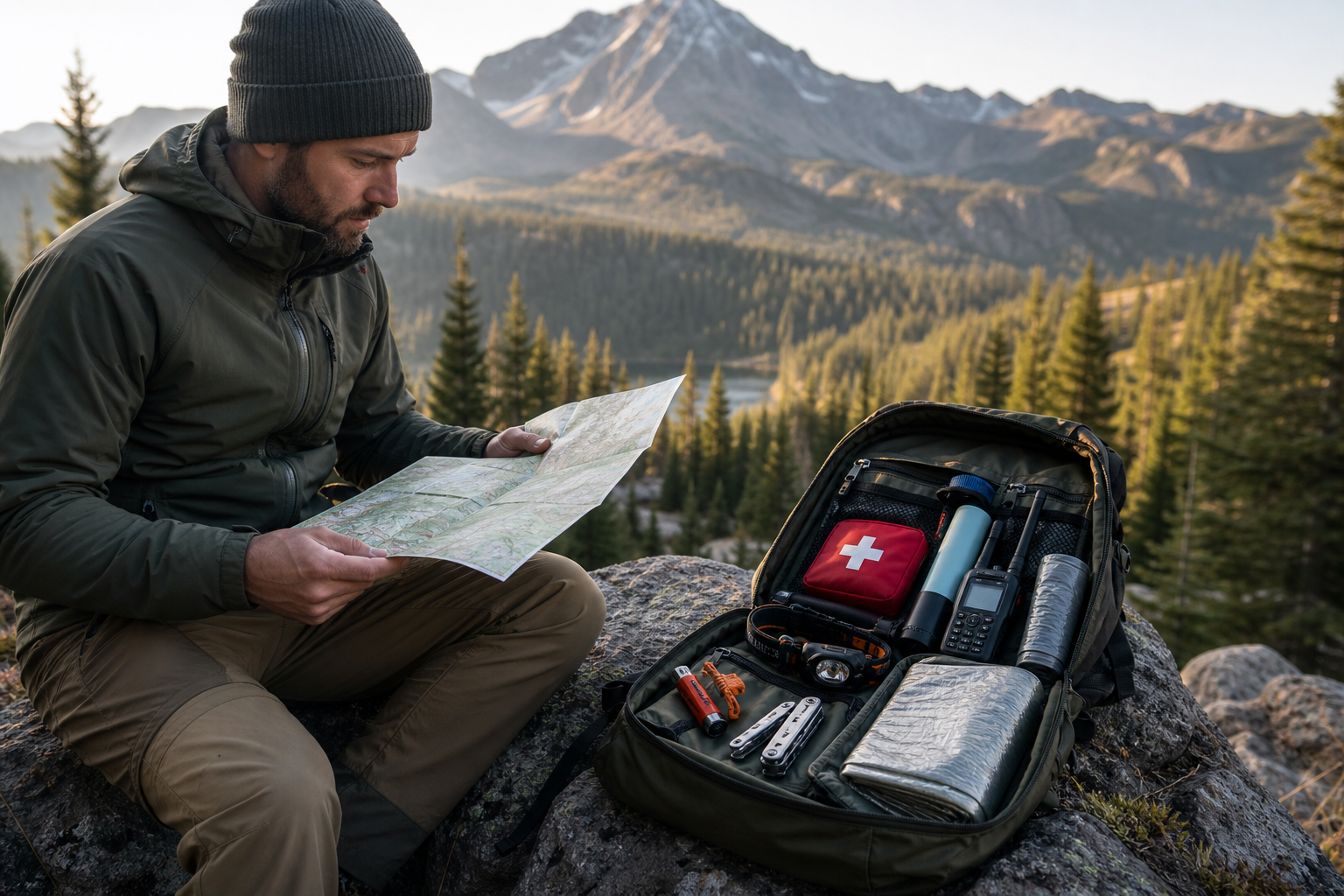
For example, a strong fire system could include a lighter, stormproof matches, ferro rod, and dry tinder stored in waterproof packaging. A navigation system could include a GPS app with offline maps, a dedicated GPS device, paper map, compass, and the skill to use them. A power system might combine charged battery banks, vehicle charging, solar backup, and strict power discipline.
Preparedness principle: Redundancy is not about carrying duplicates of everything. It is about protecting the functions that matter most: warmth, water, communication, navigation, medical care, and the ability to move or stay put safely.
Practice Decision-Making: Stay, Move, or Signal
Many emergencies become worse because people keep moving when they should stop, or stop when they should relocate. Before a trip, define decision points. If the road is washed out, do you turn around or continue? If a storm arrives early, where is the nearest safe shelter? If someone is injured, when do you activate emergency communication?
Use the “stay, move, or signal” framework:
- Stay: Best when you have shelter, supplies, known location, and moving increases risk.
- Move: Best when staying exposes you to greater danger, such as wildfire, flooding, avalanche terrain, or lack of water.
- Signal: Necessary when the situation exceeds your ability to self-rescue safely.
For example, if your vehicle breaks down on a rarely used desert road and someone knows your route, staying with the vehicle usually provides shade, visibility, and supplies. If you are in a canyon with flash flood warnings, moving to higher ground immediately is the priority. Preparedness is not just equipment; it is knowing which action fits the situation.
Strengthen Off-Grid Home Preparedness
Off-grid living offers independence, but it also concentrates responsibility. Systems that are automatic in town—water pressure, heat, refrigeration, lighting, communication, and road access—may depend entirely on your planning and maintenance.
Focus on the systems most likely to cascade during an emergency:
- Power: Maintain batteries, generator fuel, solar components, spare fuses, and charging priorities.
- Heat: Store dry firewood or safe backup fuel, inspect chimneys, and keep carbon monoxide detectors working.
- Water: Have stored water, treatment supplies, and a backup way to move or access water.
- Food: Keep shelf-stable staples and a manual can opener; rotate supplies into normal meals.
- Access: Maintain tools for snow removal, fallen trees, mud, or washed-out tracks.
- Fire safety: Clear defensible space, keep extinguishers charged, and store fuel safely away from structures.
A useful off-grid exercise is a 24-hour utility drill. Turn off nonessential grid-like conveniences and see what fails first. Can you cook? Charge radios? Flush or manage sanitation? Keep food cold? Heat the living space? The gaps you discover in calm weather are the gaps you can fix before an actual emergency.
Make Food Preparedness Practical, Not Complicated
Food is important, but it is often overemphasized compared with water, exposure, and medical readiness. For trips, carry calorie-dense food that requires little preparation: nuts, bars, jerky, dehydrated meals, nut butter, instant oats, and electrolyte mixes. Include extra food for delays, but avoid packing heavy items you will not eat.
For homes, cabins, and base camps, build a pantry around meals you already use. Rice, oats, pasta, beans, lentils, canned fish, canned vegetables, soups, powdered milk, cooking oil, spices, and freeze-dried ingredients are easier to rotate when they fit your normal diet. Store a backup cooking method and fuel, and remember that some emergency foods require water to prepare.
Keep Your Preparedness System Maintained
Preparedness declines quietly. Batteries discharge, medications expire, water containers leak, fuel goes stale, clothing no longer fits, and routes change. Schedule maintenance rather than relying on memory.
A simple quarterly review can include:
- Check batteries, power banks, radios, headlamps, and satellite devices.
- Inspect first aid supplies and replace expired medications.
- Rotate water and food storage as needed.
- Test stoves, filters, generators, and vehicle recovery gear.
- Update maps, emergency contacts, and evacuation routes.
- Adjust kits for season, destination, and group size.
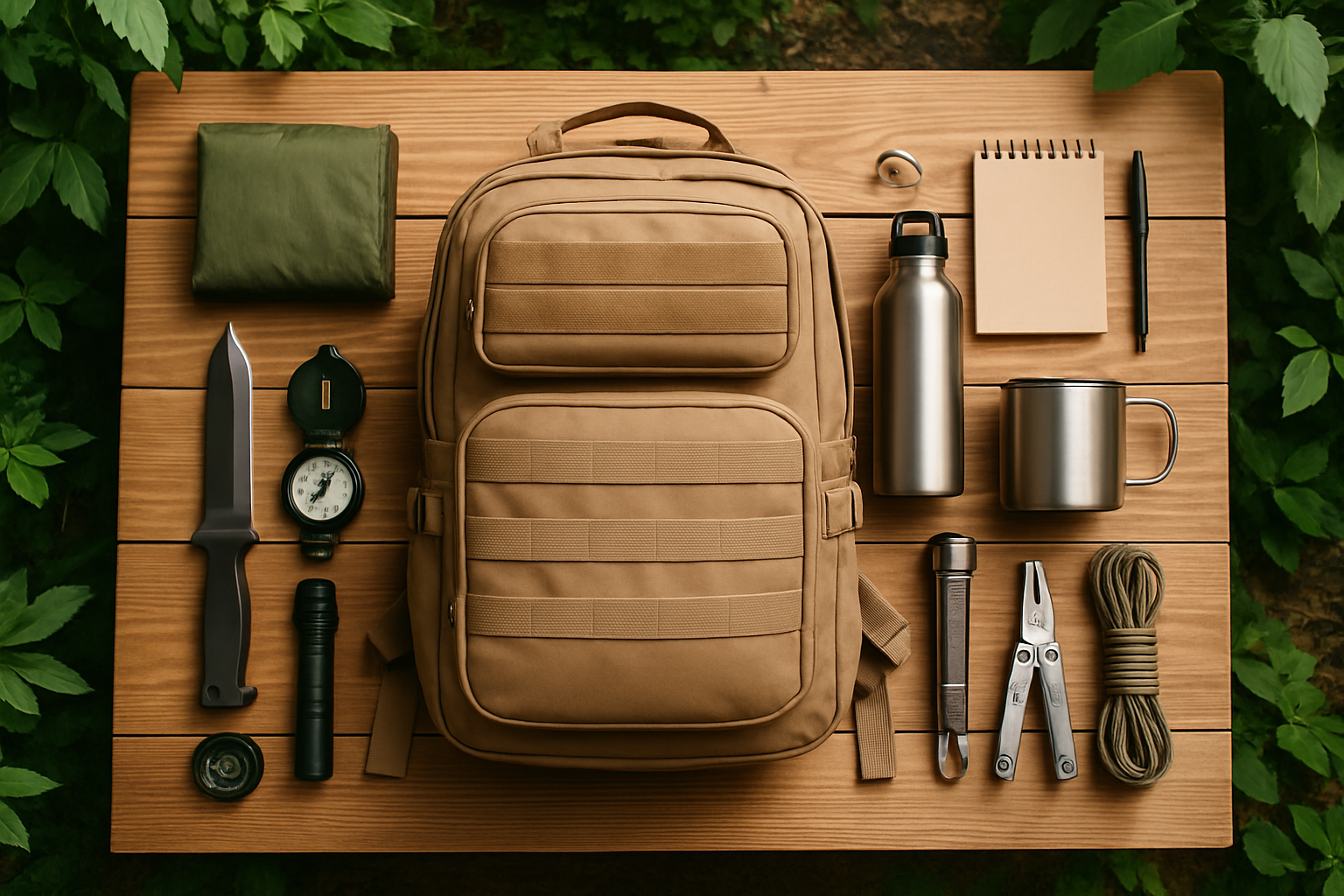
Before each major trip, do a focused pack-out. Lay out your gear by function rather than by bag: shelter, water, fire, medical, navigation, communication, food, tools, light, and clothing. This makes gaps obvious and prevents overpacking duplicates while missing essentials.
Train With Your Gear Before It Matters
Owning gear is not the same as being prepared. You should be able to use critical tools in poor weather, low light, cold hands, stress, and fatigue. Practice setting up your shelter in wind. Use your water filter before the trip. Start your stove with gloves on. Navigate a short route with map and compass. Send a check-in from your satellite messenger. Change a tire in your driveway before you need to do it on a muddy forest road.
Training also helps you choose better gear. A compact tool that looks impressive online may be frustrating in real conditions. A slightly heavier item that works reliably may be the smarter survival choice. Practical experience separates useful equipment from pack clutter.
Key Takeaways
- Plan for your actual risks: Match preparedness to your environment, season, travel style, and distance from help.
- Prioritize core functions: Shelter, water, medical care, communication, navigation, food, and safe movement matter most.
- Use redundancy wisely: Protect critical capabilities with backup methods instead of depending on one device.
- Prepare your vehicle and home systems: Remote travel and off-grid living both rely on maintained equipment and backup plans.
- Practice before emergencies: Skills, drills, and maintenance turn gear into real capability.
Related Resources
- Ready.gov Emergency Kit — Official guidance on building a basic emergency supply kit for households and travel planning.
- NOAA Weather-Ready Nation — Reliable weather preparedness information, alerts, and safety resources for severe conditions.
- National Park Service: Ten Essentials — A practical overview of the core items every outdoor traveler should consider carrying.
- American Red Cross First Aid Training — Training options for first aid and emergency response skills that are useful at home and in the field.
- REI Expert Advice: Wilderness First Aid Basics — A helpful primer on common backcountry medical issues and response priorities.