Thinking about trading square footage for starry skies, or wanting to stretch your travel budget while staying connected to the places that matter most? Vanlife and boondocking are more than lifestyle trends — they’re practical responses to rising travel costs, a growing desire for simpler living, and a need to reduce our environmental footprint while still getting out there. This guide lays out the fundamentals so beginners can build real competence and credibility on the road: gear that works, systems that last, and the ethics that keep public lands open to all of us.
Why vanlife and boondocking matter right now
There are a few big-picture reasons this approach to travel and living resonates today:
- Affordability: Owning or renting a van/RV can lower housing and travel costs compared with conventional living and repeated hotel stays.
- Remote work and flexibility: With more jobs un-tied from offices, people can stay mobile and productive.
- Minimalism and resilience: Fewer possessions and simpler systems reduce dependencies and increase adaptability.
- Climate and conservation awareness: Many prioritize low-impact choices and responsible recreation to protect the landscapes they visit.
Core principles: low-impact, self-reliance, and practicality
Start here and everything else becomes easier. These principles should guide decisions from gear choice to campsite behavior.
- Leave No Trace: Pack out what you pack in, minimize campfire impacts, and respect wildlife.
- Plan for redundancy: Batteries, spare parts, and backup navigation make the difference when things go wrong.
- Prioritize simplicity: Systems that are easy to maintain are more likely to be kept in working order.
- Be courteous and legal: Stay informed about local regulations; protect access for the next person.
Essential gear and setup for beginners
This is a practical starter list — reliable gear that scales as you gain experience. You don’t need to buy everything at once, but cover the essentials before your first solo boondock.
Vehicle and shelter
- Reliable van, campervan, or small RV with basic mechanical service history.
- Comfortable sleeping setup: quality mattress or sleeping platform and a breathable sleeping bag or duvet.
- Window coverings or curtains for privacy and insulation.
Power and energy
- House battery (AGM or lithium) sized to your needs — 100–300Ah is common for beginners depending on usage.
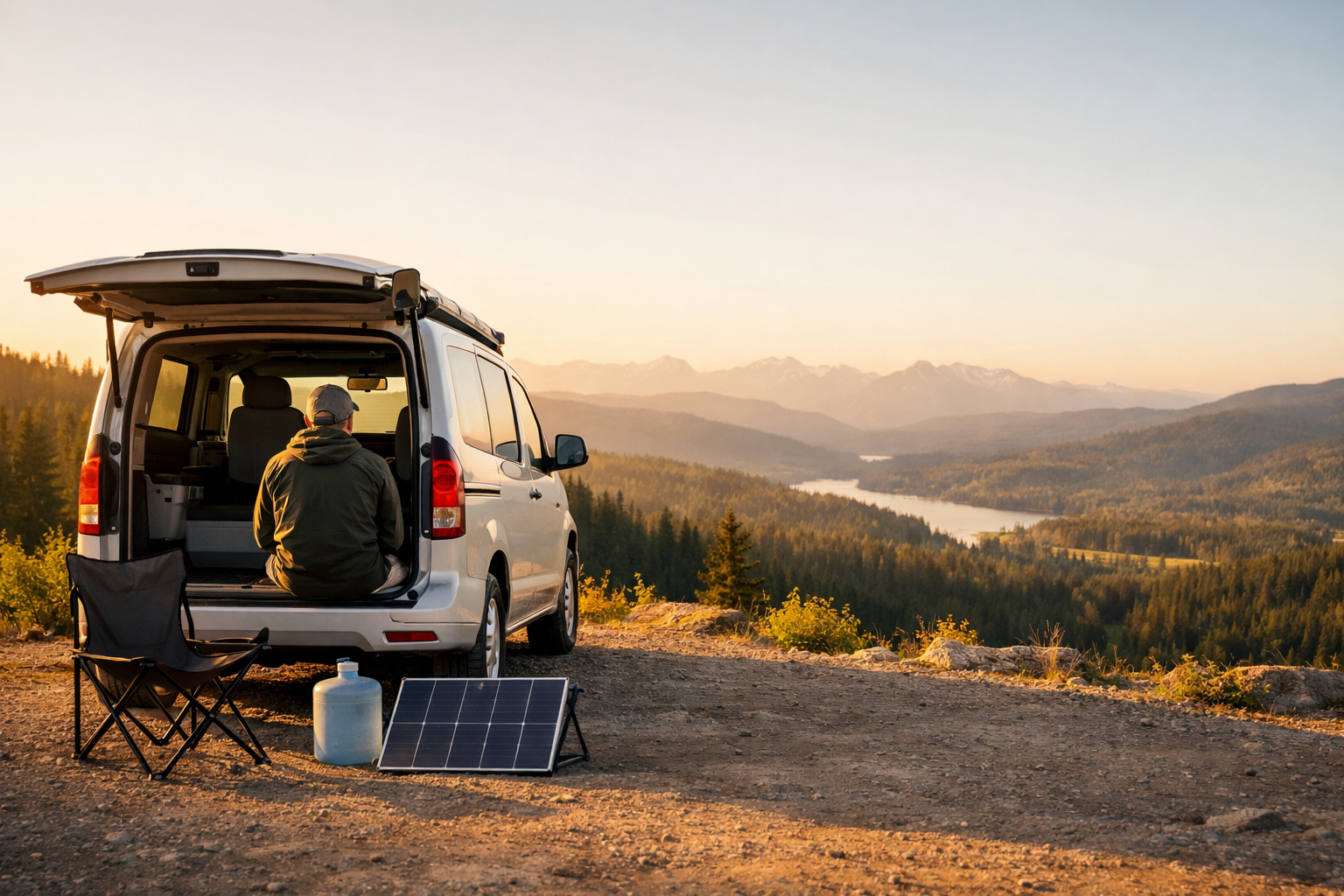
- 12V charging options: alternator, solar panels (100–300W typical for weekenders), and a reliable inverter (pure sine for sensitive electronics).
- Battery monitor and fused distribution system to avoid surprises.
Water and sanitation
- Fresh water tanks or jerry cans (20–40 liters for solo travelers as a minimum reserve).
- Water filter and/or pump system; carry a gravity or inline filter for remote fills.
- Portable toilet or cassette toilet if you’ll be off-grid frequently, and a gray water plan to dispose of dishwater responsibly.
Cooking and food
- Efficient camp stove (liquid fuel or propane) and windscreen.
- Compact cookware, a good knife, and storage containers for dry goods and leftovers.
- Cooler or small 12V refrigerator — refrigerators are more efficient than repeated ice purchases for long stays.
Safety and navigation
- Paper maps and compass as backups to GPS.
- Reliable first-aid kit, basic toolkit, and a quality tire repair kit.
- Spot/PLB or satellite communicator if you’ll go beyond cell coverage often.
Boondocking basics: where to stay, how to camp, legal & ethical tips
Boondocking is camping without hookups. Do it well and respectfully to protect public lands and your future access.
Finding legal and safe spots
- Start with public land resources: BLM and Forest Service maps, and Bureau of Land Management websites often list free or low-cost dispersed camping areas.
- Use reputable apps and cross-check with official land management sources — apps can be outdated.
- Avoid private property and clearly signed restricted areas.
Setting up camp
- Pull in on durable surfaces like gravel or compacted soil — avoid trampling vegetation.
- Keep a low profile: noise down, lights minimal, and only expand what’s necessary.
- Campfires: follow local rules, use a designated fire ring if available, or use a camp stove. Never leave fires unattended.
Leave no trace on-site
Dispose of waste properly, bury human waste only where allowed and at least 6–8 inches deep and 200 feet from water sources, or use a portable toilet. Pack out all trash, including food scraps. Clean barbecue grease from the vehicle and keep wildlife wild by securing food and garbage.
Daily systems and routines for off-grid living
Good habits prevent emergencies. Use simple daily and weekly routines to manage resources efficiently.
Power routine
- Start the day by topping up batteries if driving; park in sun during midday to charge via solar.
- Monitor battery state-of-charge and reduce loads (e.g., heat, AC) when low.
Water routine
- Track water usage per person per day — 10–20 liters is reasonable with careful conservation.
- Refill at town water stations, campgrounds, or approved public sources; filter before drinking if unsure of quality.
Food and waste
- Plan meals around shelf-stable and one-pot dishes to minimize fuel and cleanup needs.
- Keep food sealed and stored to avoid attracting animals.
Maintenance checklist and troubleshooting
Preventive maintenance keeps trips on track. Here are weekly and monthly checks and common fixes.
Weekly checks
- Battery voltages and fluid levels (if applicable).
- Check tires for pressure and obvious damage.
- Inspect seals and vents for leaks after rain.
Monthly and seasonal maintenance
- Service the vehicle’s engine and braking system per mileage schedule.
- Deep clean and inspect solar wiring, fuse panels, and battery terminals.
- Flush and sanitize water systems if stored long-term.
Common troubleshooting
- Dead batteries: isolate loads, jump-start if needed, and inspect charging sources.
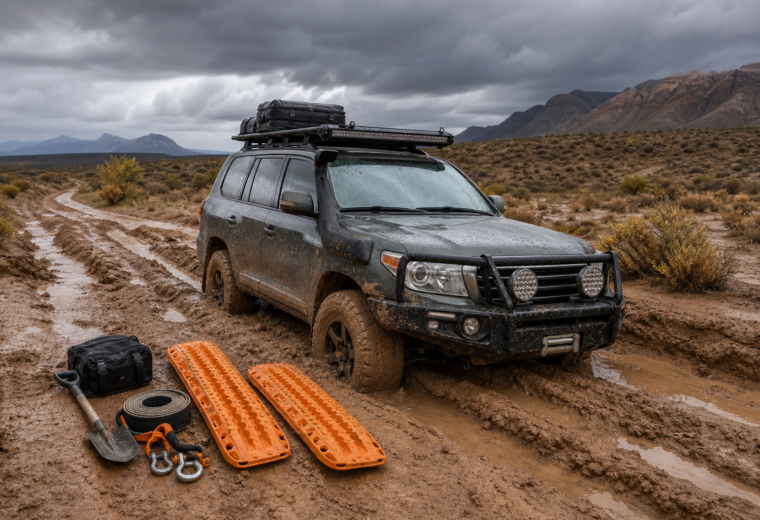
- Tire damage: carry a spare, plug kit, and a compressor for field repairs.
- Water leaks: find and reseal with marine-grade sealant or replace gaskets; keep silicone and gear for temporary fixes.
Ethics and community: protecting access and reputation
Boondocking works when people act responsibly. Respect neighbors, photograph less, and leave sites as you found them. Volunteer when possible — trail work, trash pickups, and supporting land managers creates goodwill and helps keep public lands open for future generations.
Key takeaways
- Vanlife and boondocking offer practical benefits now: affordability, freedom, and lower-impact travel when done responsibly.
- Prioritize a few robust systems — power, water, and safety — and build redundancy into each.
- Follow Leave No Trace and local rules to protect access and the landscapes you love.
- Routine maintenance and simple daily habits prevent most field problems.
These basics are the foundation of confident, low-impact mobile living. Start with reliable systems, respect the places you visit, and learn from experience — small, practical investments in gear and knowledge pay off quickly. Whether you’re testing a weekend away or planning a long-term shift, approach each trip like a field test: observe, adjust, and leave things better than you found them. That’s how credibility grows — in the mileage, the repairs, and the respect you show the land and your fellow travelers.