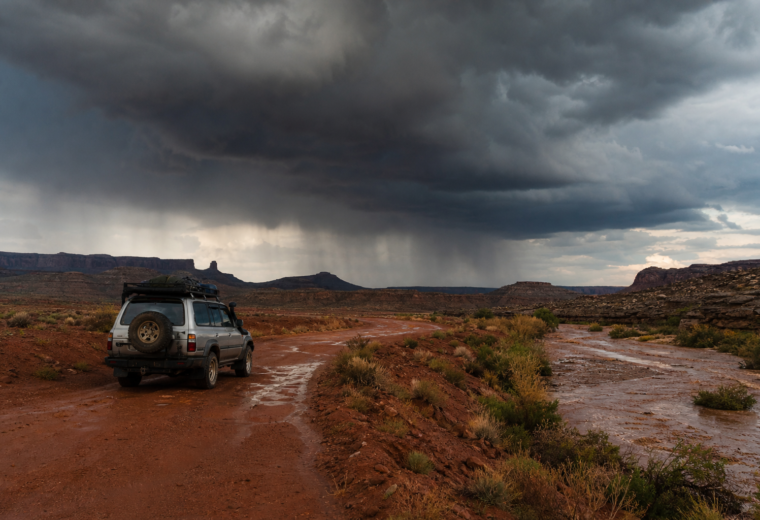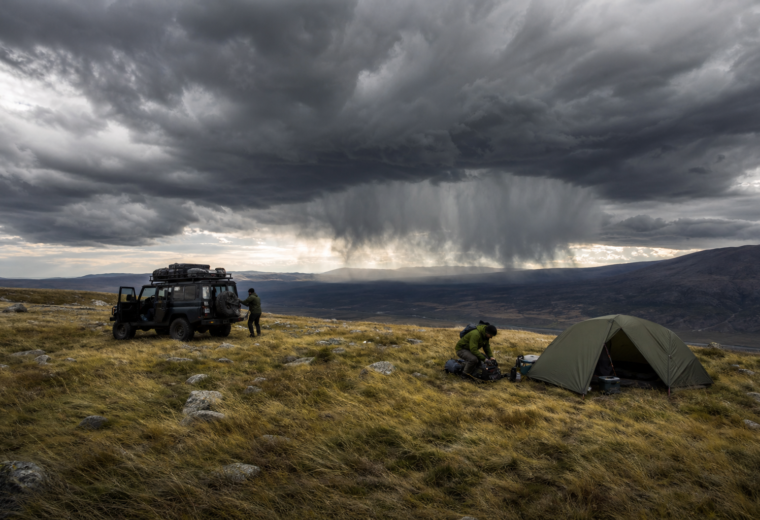
Boondocking and vanlife are no longer niche pursuits reserved for a handful of weekend warriors — they’re a practical response to rising interest in low-impact travel, self-reliance, and flexible work-from-anywhere lifestyles. Whether you’re a weekend overlander, aspiring nomad, eco-conscious traveler, or someone curious about living off-grid temporarily or long-term, mastering the basics of boondocking builds safety, comfort, and confidence. This guide brings hands-on steps, trusted gear suggestions, and sustainable practices to help you build credibility and competence on the road.
Why boondocking and vanlife matter right now
Several converging trends make boondocking and vanlife especially relevant:
- Remote work and flexible schedules: More people can live and travel where they want — not just where their office is.
- Rising interest in low-impact travel: Travelers increasingly prioritize experiences over hotels and seek to reduce their footprint.
- Economic and housing pressures: Vanliving offers a lower-cost, mobile option for those testing long-term nomadism or downsizing.
- Improved off-grid technology: Solar, batteries, water filtration, and compact appliances make self-sufficient travel practical and comfortable.
Learning responsible boondocking skills now prepares you to travel smarter, stay safer, and minimize environmental harm.
Core vanlife and boondocking basics
Define your priorities
Before you outfit a vehicle, clarify what you need to accomplish on the road. Typical priorities include:
- Sleeping comfortably and staying warm/cool
- Reliable power for devices, lights, refrigeration
- Clean water and basic food prep
- Sanitation and waste management
- Safety, navigation, and communications
Legalities and ethics
Boondocking responsibly protects wild places and keeps options open for everyone. Always:
- Research local rules — public lands, BLM, national forests, and private property have different regulations.
- Follow Leave No Trace principles: pack out trash, minimize campfire impacts, and avoid disturbing wildlife.
- Respect local communities — park discreetly, avoid loud generators overnight, and follow posted rules.
Practical implementation steps (step-by-step)
This section gives a straightforward checklist to get you from planning to comfortable, sustainable boondocking.
1. Pick the right vehicle and layout
- Choose a platform that matches your intended use — short trips, long-term living, overlanding, or mixed travel.
- Prioritize insulation, ventilation, and a flexible sleeping layout. Think modular: removable cabinets, foldable tables, and multi-use storage save space.
2. Build a simple, reliable power system
Start with a basic, scalable system:
- Battery baseline: A quality AGM or lithium battery (or a bank) sized to your daily draw.
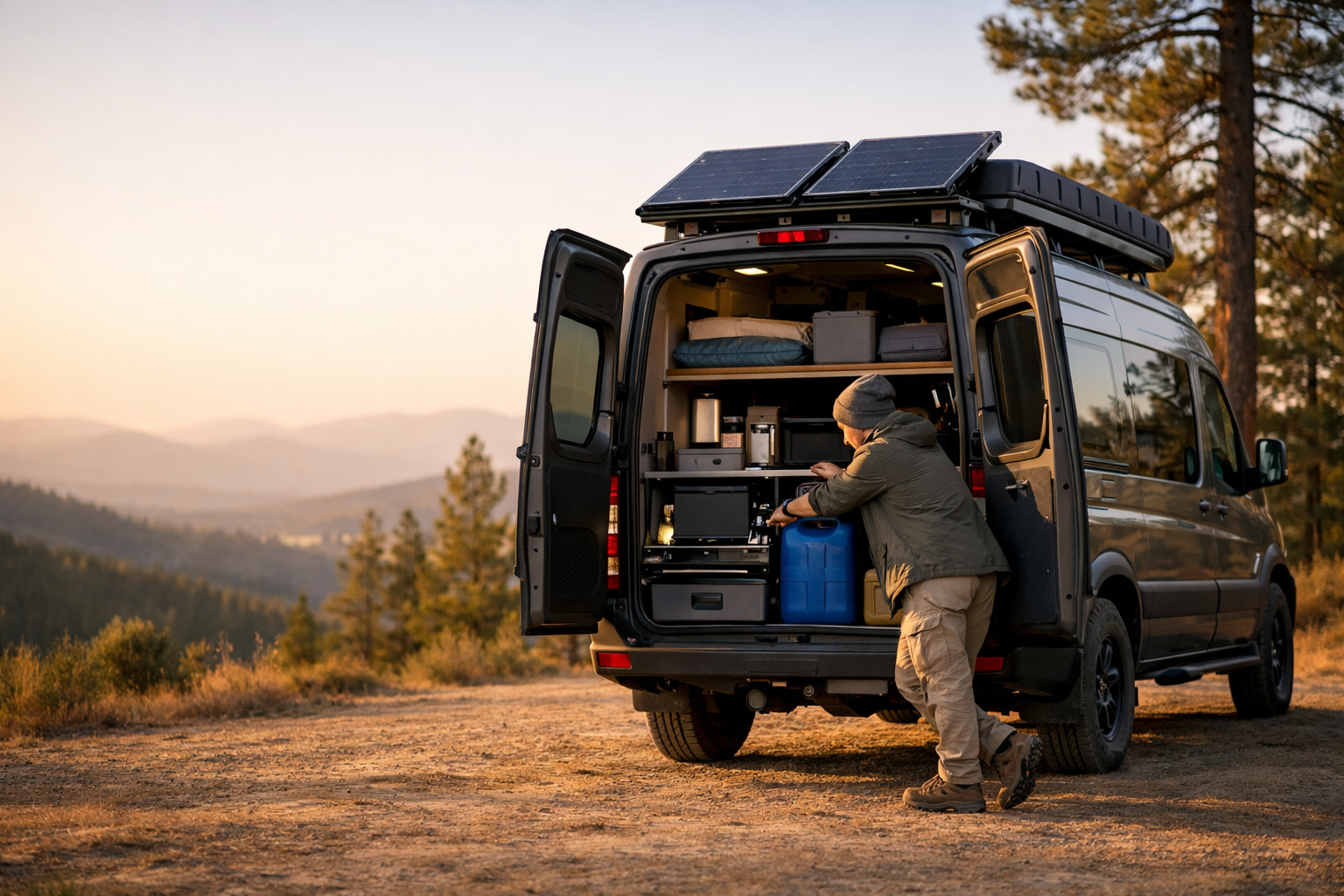
- Charging sources: Alternator charging, a reputable solar panel setup (100–400W depending on use), and an inverter for AC power.
- Monitoring: A battery monitor and fuses/isolator for safety.
3. Water, cooking, and food
- Carry filtered water and a backup (jugs or collapsible tanks). Install an inline filter or keep a countertop gravity filter for errands and camping.
- For cooking, a two-burner propane or induction camping stove provides flexibility; consider a small propane fridge or 12V compressor fridge for longer trips.
- Plan simple, shelf-stable meal systems and a basic cookware kit — cast iron skillet and a pot go a long way.
4. Sanitation and gray/black water
Manage waste with dignity and legality:
- Portable toilets or cassette systems are compact and practical; use biodegradable bags and empty at approved dump stations.
- Collect gray water in containers where regulations require; use gray-water-friendly soaps and scatter strained water over permeable ground away from water sources.
5. Safety and communication
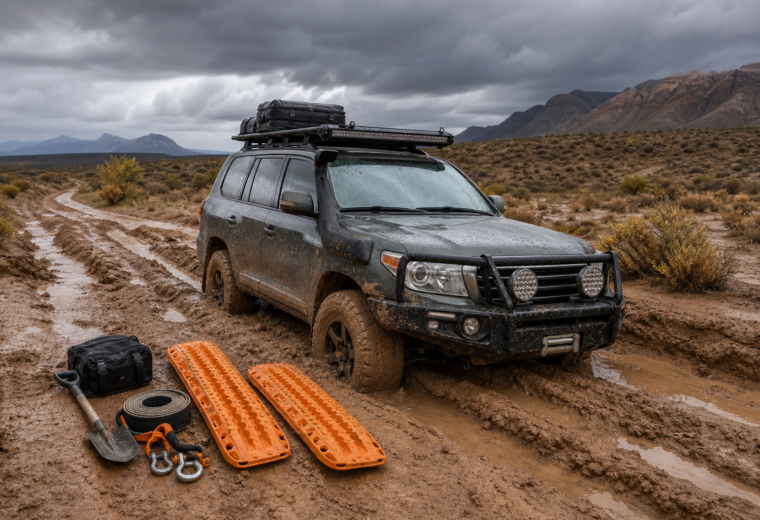
- Carry an up-to-date first-aid kit, fire extinguisher, and roadside recovery gear (shovel, traction boards, jump starter).
- Consider a satellite communicator or an emergency beacon if you’ll be in areas with no cell service.
- Use offline maps, hard copy topo maps for remote travel, and share an itinerary with someone you trust.
6. Campsite setup and etiquette
- Arrive with daylight remaining to scope the site, level the van, and set up camp efficiently.
- Park where your presence causes minimal environmental disturbance — avoid soft soils, vegetation, and riparian zones.
- Minimize light and noise after dark to respect wildlife and neighbors.
“Skillful travel is less about gear and more about habits: leave things cleaner, travel lighter, and know how to fix what’s broken.” — Practical Nomad maxim
Gear recommendations that build credibility
Choose reliable, serviceable items over trendy gadgets. A few tried-and-true recommendations:
- Solar panels: Monocrystalline panels from reputable brands with MPPT charge controllers.
- Batteries: Lithium (LiFePO4) for long-term weight and capacity advantages; AGM for lower upfront cost.
- Fridge: 12V compressor fridge — efficient and keeps food safe for extended trips.
- Water: Inline 0.2–0.5 micron filter and a UV or chemical backup for uncertain sources.
- Cooking: Compact two-burner stove and a sturdy cast-iron skillet or titanium pot set.
- Safety: Portable jump-starter, high-quality recovery straps, and a satellite messenger for remoteness.
Sustainability and low-impact practices
Sustainability is core to keeping wild spaces open to future travelers. Adopt these routine practices:
- Use reusable containers and avoid single-use plastics.
- Prefer biodegradable soaps and pack out what you pack in.
- Choose campsites on durable surfaces and rotate spots when staying in one area to avoid concentrated damage.
- Optimize energy use: LED lighting, mindful heating/cooling, and using shore power when available to preserve battery cycles.
Mindfulness on the road: connection + reflection
Vanlife and boondocking are equal parts logistics and lifestyle. Develop a simple routine for presence and maintenance:
- Daily: tidy the living area, wipe surfaces, and check power/water levels.
- Weekly: inspect seals, vents, battery health, and tires; perform small repairs immediately.
- Reflection: keep a travel journal, photograph responsibly, and schedule anchored days where you stay put and recharge mentally.
These small practices keep your setup functional and your travel purposeful.
Key takeaways
- Boondocking combines practical systems knowledge with ethical stewardship — it’s as much about habits as gear.
- Start with reliable, scalable power and water solutions, prioritize safety and legal research, and choose durable gear over trends.
- Practice Leave No Trace, maintain your rig regularly, and build a simple daily routine to preserve comfort and minimize impact.
If you want to build trustworthy skills and make smarter choices on the road, focus on repeatable systems: power you can count on, clean water, safe sanitation, and a respectful campsite routine. Practical experience paired with the right gear will grow your confidence faster than chasing every new product. When you’re ready for tailored advice for your vehicle and travel goals, reach out or explore deeper guides — we’ve built these resources for people who want to travel well, travel lightly, and leave places better than they found them.