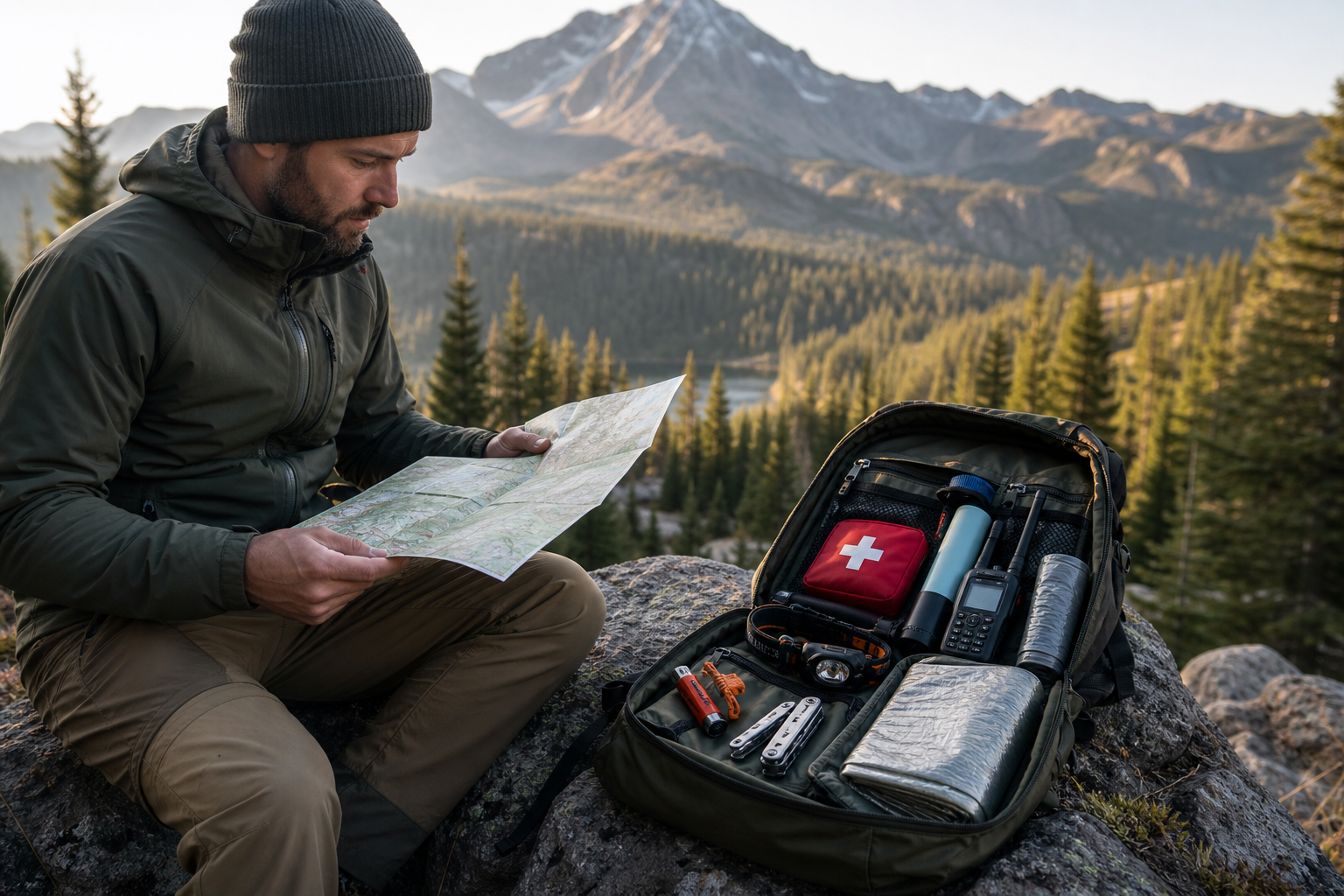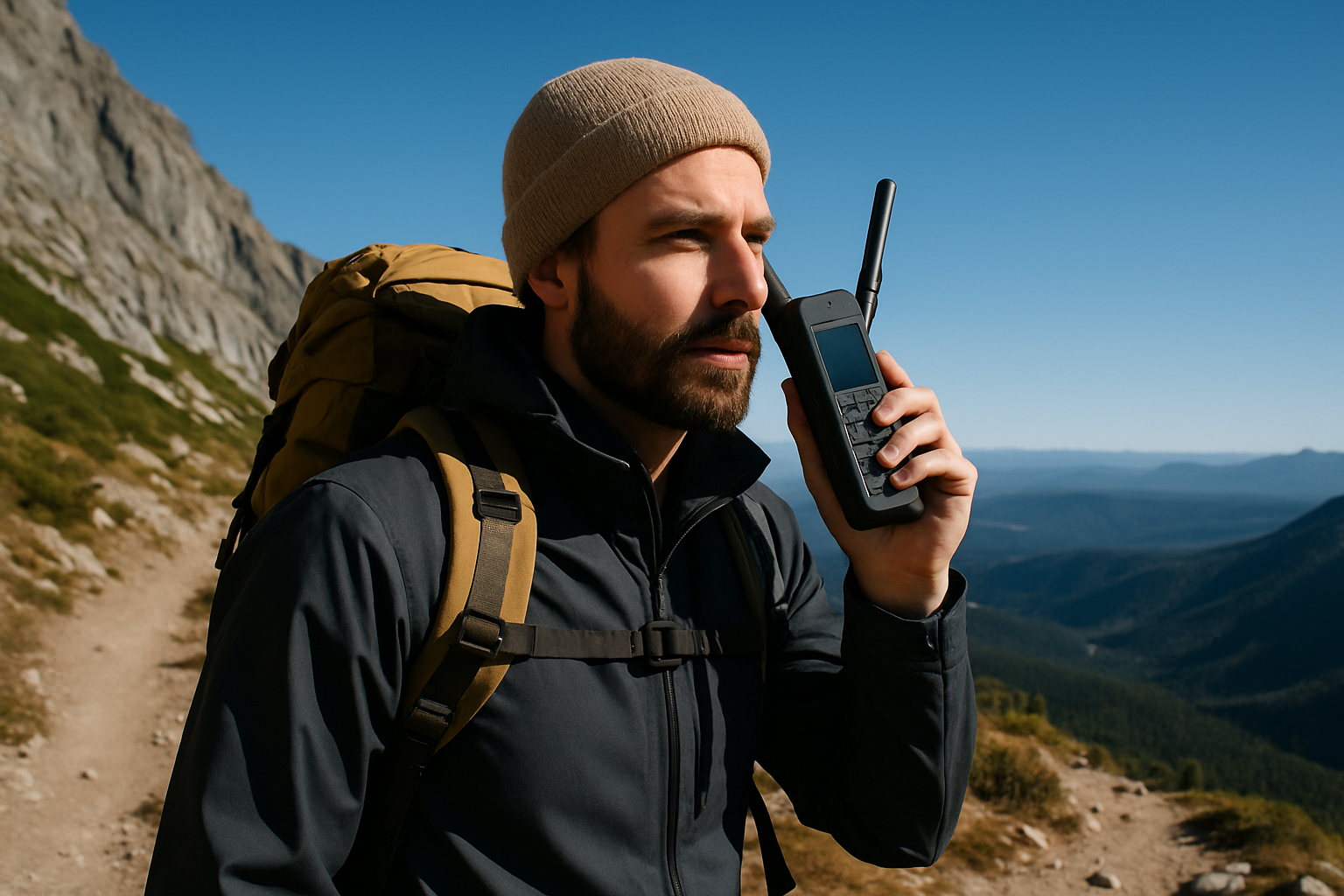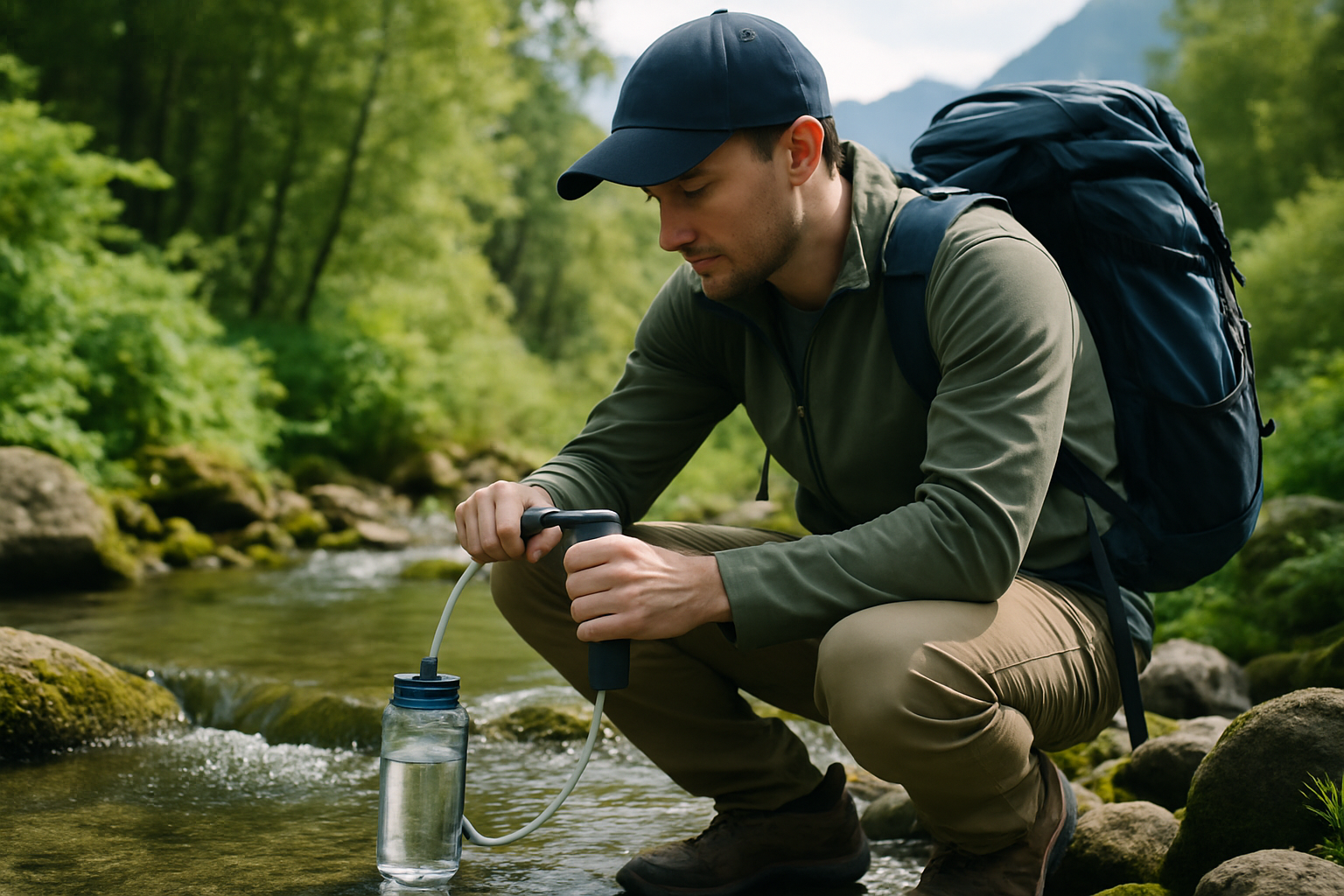
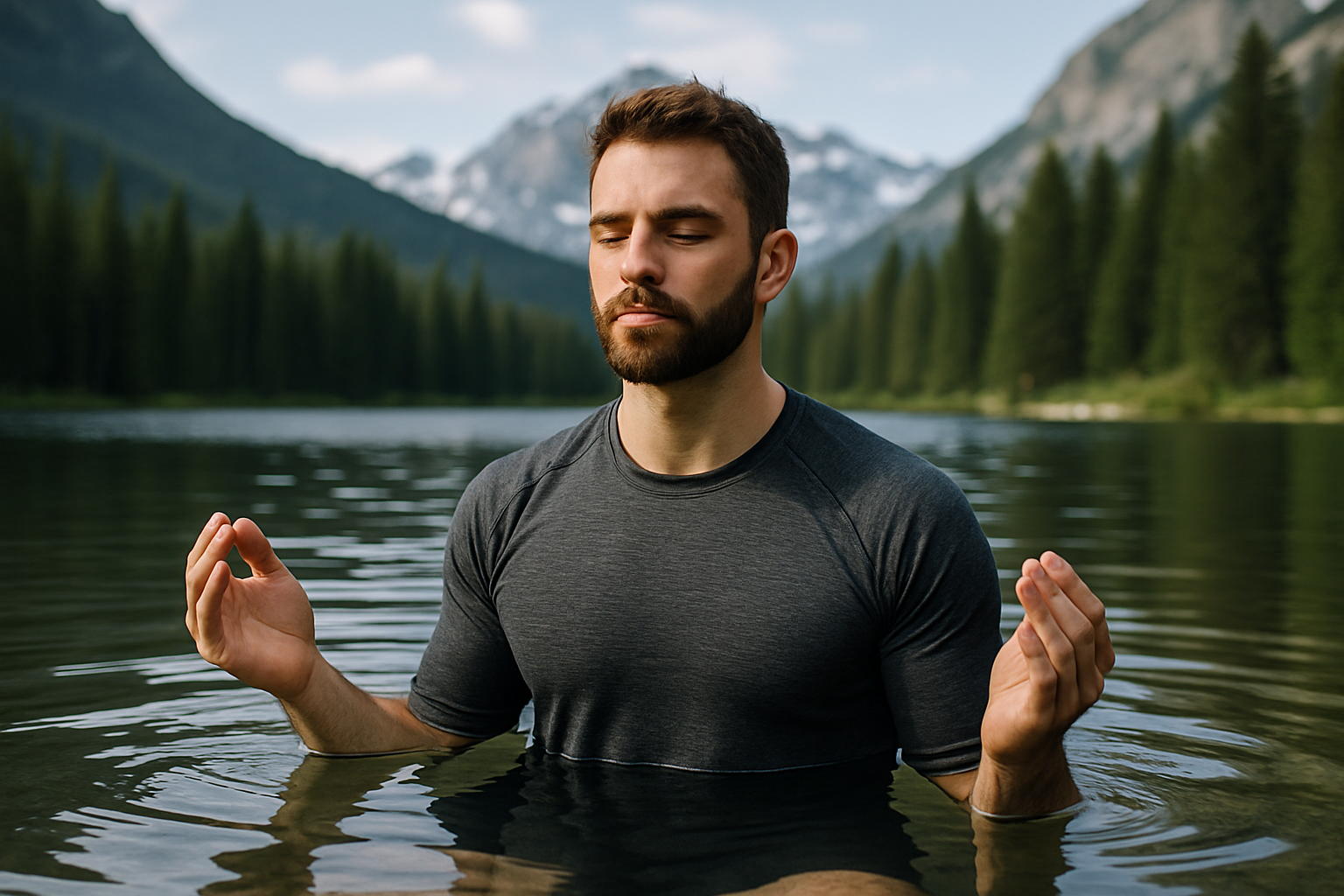
Stepping into the wilderness challenges not only your physical endurance but also your mental acuity and emotional resilience. For outdoor adventurers, survival and wellness go hand in hand, demanding a holistic approach that merges time-tested natural methods with cutting-edge science. Biohacking—the practice of using strategic interventions to enhance your body and mind—can transform your outdoor experience, optimizing your performance and boosting your ability to thrive in remote environments. This article explores some of the most innovative and unusual biohacking techniques tailored specifically for outdoor enthusiasts who seek to enhance survival skills and mental wellness during off-grid excursions.
Understanding Biohacking in the Outdoor Context
Biohacking traditionally involves making small, incremental changes to your lifestyle, diet, or environment to improve overall health and cognitive function. When applied to outdoor survival, biohacking techniques focus on enhancing stamina, mental clarity, stress management, and recovery in unpredictable and often harsh natural settings. Unlike conventional survival tips, biohacking integrates scientific insights with natural practices, providing a new level of self-reliance and adaptability.
Unusual Biohacking Techniques to Boost Survival Skills
1. Cold Exposure Conditioning
While many outdoor enthusiasts are familiar with the benefits of cold showers or ice baths, progressive cold exposure conditioning can significantly enhance your resilience to extreme temperatures. Regular, controlled exposure to cold activates your body’s brown adipose tissue (BAT), which generates heat and improves metabolic efficiency.
- How to practice: Begin with brief cold showers, gradually increasing duration and intensity. If safe and feasible, immerse yourself in natural cold water sources such as mountain streams or lakes.
- Benefits: Improved circulation, reduced inflammation, heightened alertness, and increased energy reserves during cold-weather survival scenarios.
2. Intermittent Fasting for Cognitive Endurance
Intermittent fasting (IF) can enhance mental clarity and endurance, especially in the absence of regular meals while on extended treks. Fasting triggers autophagy, a cellular cleanup process that promotes brain health and neuroplasticity.
- How to practice: Adopt a 16:8 fasting schedule (16 hours of fasting with an 8-hour eating window) during your outdoor trips, adjusting for your energy needs.
- Benefits: Increased focus, reduced brain fog, improved mitochondrial function, and better stress management.
3. Nootropic Mushrooms for Mental Clarity
Certain natural nootropics, particularly medicinal mushrooms like Lion’s Mane and Cordyceps, offer neuroprotective and adaptogenic properties that support cognitive function and physical stamina.
- How to practice: Incorporate mushroom extracts or powders into your hydration routine while camping or during long hikes.
- Benefits: Enhanced memory, quicker reaction times, and improved oxygen utilization—critical for high-altitude or strenuous environments.
4. Grounding (Earthing) to Reduce Inflammation
Grounding involves direct contact with the Earth’s surface, allowing the transfer of free electrons that act as natural antioxidants. This simple method can reduce inflammation and improve sleep quality, which is essential when your body is under duress in the wild.
- How to practice: Walk barefoot on natural ground, grass, or sand for at least 20 minutes daily during your outdoor excursions.
- Benefits: Reduced muscle soreness, accelerated recovery, heightened mood, and improved immune response.
Enhancing Mental Wellness in Remote Environments
5. Controlled Breathwork for Stress Resilience
Stress and anxiety can impair decision-making and physical performance. Controlled breathwork techniques such as box breathing or the Wim Hof Method help regulate the nervous system and increase oxygen delivery to your brain and muscles.
- How to practice: Use a timer to begin with 4 seconds inhaling, 4 seconds holding, 4 seconds exhaling, and 4 seconds pause. Gradually increase the duration as you become comfortable.
- Benefits: Lowered cortisol levels, enhanced calmness under pressure, and improved cardiovascular function.
6. Nature-Enhanced Mindfulness Meditation
Mindfulness meditation practiced outdoors leverages natural stimuli—such as the sound of wind, birdsong, and water—to deepen relaxation and enhance mental clarity. This practice can help you stay present and focused, reducing the risk of panic or poor judgment during challenging situations.
- How to practice: Find a quiet spot, close your eyes, and focus on your breath while tuning into the natural sounds around you. Aim for 10-15 minutes daily.
- Benefits: Greater emotional regulation, reduced anxiety, and improved problem-solving skills.
7. Blue Light Management for Circadian Rhythm Optimization
Exposure to natural light cycles helps synchronize your circadian rhythm, supporting restorative sleep and daytime alertness. When off-grid, managing artificial light exposure, especially blue light from screens, can be vital.
- How to practice: Limit screen time before sleep, use warm-colored lighting at night, and maximize daytime exposure to sunlight.
- Benefits: Enhanced sleep quality, faster recovery, and sustained energy levels.
Advanced Tools and Supplements for Outdoor Biohacking
8. Portable Red Light Therapy Devices
Red and near-infrared light therapy stimulates cellular energy production (ATP), accelerates wound healing, and reduces muscle fatigue. Compact, battery-powered red light devices are now available for field use.
- How to use: Apply the device to sore muscles or injury sites for 10–20 minutes daily.
- Benefits: Faster recovery from physical exertion, reduced inflammation, and enhanced tissue repair.
9. Adaptogen Supplementation
Adaptogenic herbs such as Rhodiola Rosea, Ashwagandha, and Eleuthero help balance the stress response and improve endurance. These supplements can be crucial when facing prolonged physical and psychological stress outdoors.
- How to use: Take standardized doses as capsules or teas according to manufacturer guidelines.
- Benefits: Increased stamina, reduced fatigue, and greater resilience to environmental stressors.
Integrating Biohacking Into Your Outdoor Routine
Success in biohacking your outdoor experience requires consistency, personalization, and respect for your body’s limits. Start by incorporating one or two techniques, such as breathwork and grounding, and gradually experiment with others. Always prioritize safety—especially when trying cold exposure or fasting—and tailor your approach to the environment and duration of your trip.
Keeping a journal to record how different techniques affect your energy levels, mood, and physical performance can provide valuable insights for future outings. Combine biohacking with solid survival knowledge and reliable gear to create a comprehensive strategy for thriving in nature.
Key Takeaways
- Biohacking enhances both survival skills and mental wellness by integrating science with natural methods.
- Techniques like cold exposure, intermittent fasting, and nootropic mushrooms boost physical and cognitive endurance.
- Mindfulness, breathwork, and grounding support emotional regulation and recovery in remote environments.
- Tools such as portable red light therapy and adaptogen supplements can accelerate healing and stress resilience.
- Personalize your biohacking routine and prioritize safety to maximize benefits during outdoor adventures.