How One Family Swapped City Life for Self-Sufficiency and What You Can Learn From Them
When the Meyers family traded their two-bedroom city apartment for 10 acres of untouched woodland in northern Idaho, they had no idea how much their lives would change. With no prior experience, they built a solar-powered cabin, dug their own well, and learned how to grow food year-round. Today, they live debt-free, surrounded by nature, and with a sense of freedom many only dream of.
Their journey is one of many inspiring stories from people choosing to live off-grid. Whether you’re motivated by sustainability, independence, or rising living costs, off-grid living can offer a rewarding lifestyle—if you’re prepared. This guide breaks down the fundamentals to help you build your own off-grid blueprint.
1. Picking the Perfect Plot: Location Essentials
Choosing the right land is the foundation of off-grid success. Consider these key factors:
Climate & Weather
Your region’s climate affects everything from building materials to heating and cooling needs. For example, a homestead in Arizona may rely heavily on passive cooling, while one in Vermont must be built for winter efficiency.
Water Rights & Access
Look for properties near natural water sources like rivers or springs. Always check local regulations—some areas restrict water collection or have specific rights tied to land.
Zoning & Building Codes
Rural areas tend to have more relaxed regulations, but it’s essential to confirm what’s legal. Some counties require permits for composting toilets or prohibit certain types of dwellings.
Accessibility & Community
Consider how close you want to be to towns or neighbors. Isolation can be peaceful, but having a supportive community nearby is helpful, especially in emergencies.
Real-Life Tip:
John and Lisa from Oregon recommend spending a few nights on any land you’re considering. “You learn a lot when you’re there after dark or during a rainstorm,” Lisa says.
2. Shelter Solutions: From Cabins to Shipping Containers
Once you own land, you’ll need a safe, efficient shelter. Here are common options:
Tiny Homes & Cabins
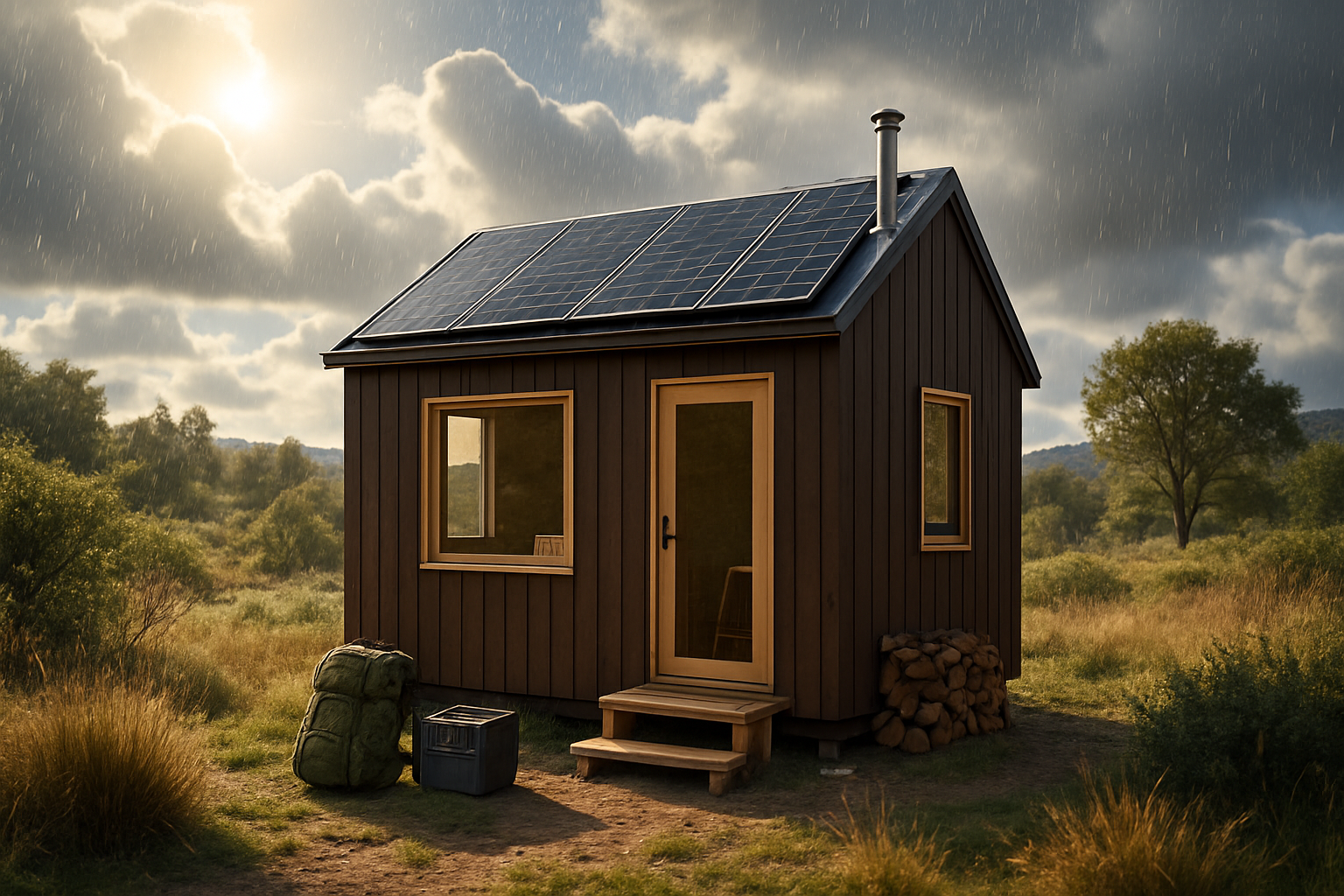
Built on-site or delivered pre-fab, cabins offer comfort with off-grid adaptability. Many can be outfitted with solar panels, composting toilets, and rainwater catchment systems.
Converted Vehicles or Shipping Containers
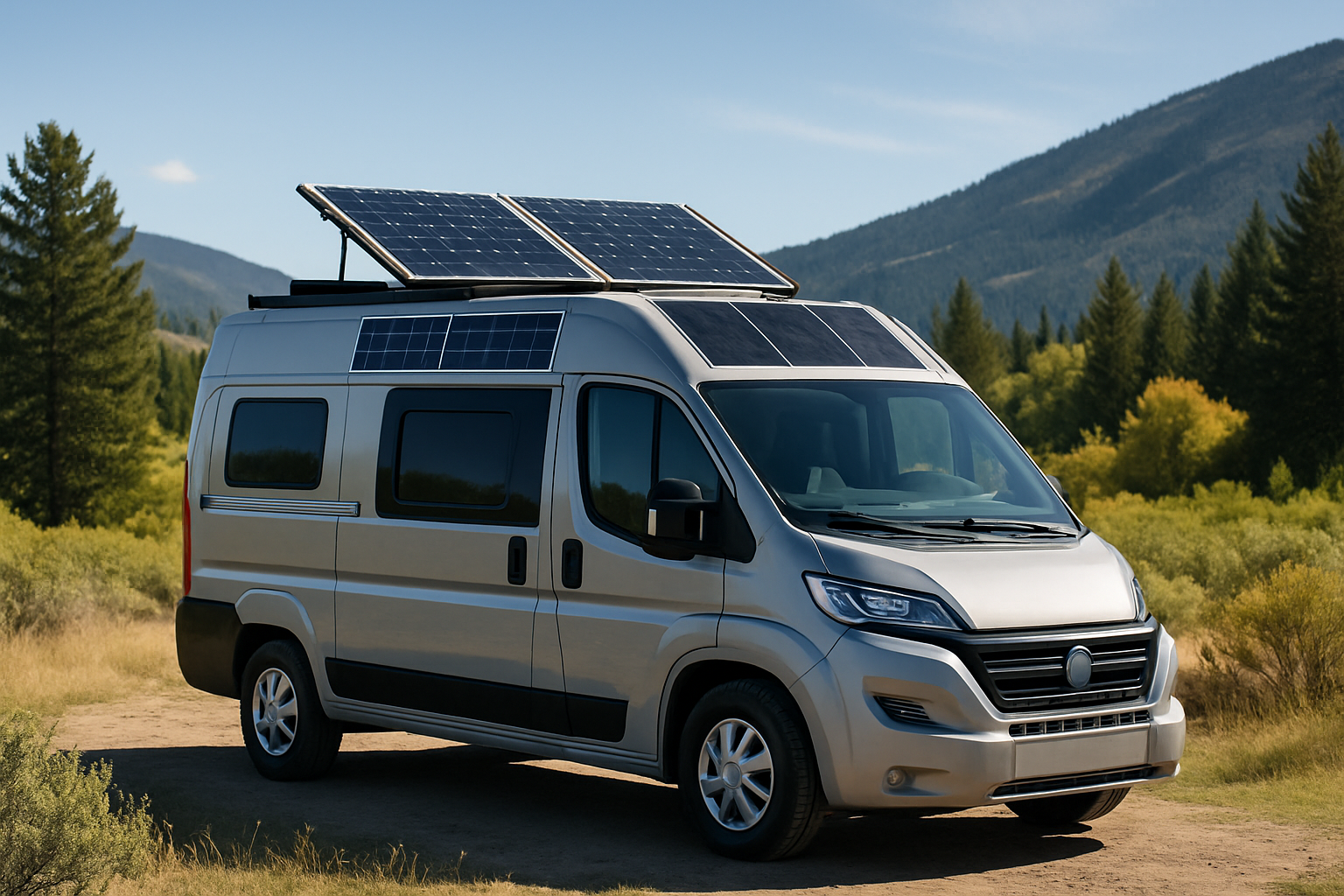
Skoolies (converted school buses) and containers offer flexibility and cost savings. They’re ideal for mobile or semi-permanent setups.
Earthships & Natural Builds
Made from natural or recycled materials like earth, tires, and bottles, these homes are energy-efficient and low-cost. They often include built-in water and food systems.
Pro Tip:
Start small. A well-insulated yurt or tent can serve as a temporary home while you build your permanent structure.
3. Powering Your Off-Grid Life: Energy Options
Electricity is still possible—and often reliable—off the grid.
Solar Power
Most common and scalable. Start with a basic setup (panels, batteries, inverter) and expand as needed. South-facing panels work best in the Northern Hemisphere.
Wind Turbines
Ideal for windy areas. Wind can supplement solar during cloudy months, especially in northern climates.
Micro-Hydro Systems
If you have flowing water nearby, a micro-hydro turbine can provide consistent power year-round.
Generators
Useful as a backup, especially during installation phases or prolonged cloudy weather.
Real-Life Tip:
Dan in Montana suggests tracking your daily power use before going off-grid. “You’ll be shocked at how much you don’t need when you pay attention.”
4. Water: Your Most Critical Resource
Water is non-negotiable. Here’s how to secure it:
Wells
Drilling a well offers a long-term solution, but can be expensive. Research depth and water table levels before purchasing land.
Rainwater Harvesting
Inexpensive and sustainable. Set up gutters and tanks to collect roof runoff. Use filters for potable water.
Streams & Springs
Test for contaminants before drinking. Permits may be necessary for diversion.
Filtration & Storage
Always filter drinking water. Gravity-fed ceramic filters or UV purification systems are popular.
Pro Tip:
Use greywater (from sinks or showers) to irrigate gardens. Just use biodegradable soaps.
5. Waste Management: Keep It Clean and Legal
Waste management is vital for health and legal compliance.
Composting Toilets
Popular for their simplicity. They turn waste into usable compost over time and don’t require plumbing.
Septic Systems
More costly but necessary for some locations. Ensure systems meet local codes.
Greywater Systems
Filter and recycle water from showers and sinks for irrigation. Avoid using it on edible plants without proper treatment.
Trash & Recycling
Reduce waste by composting organic matter and reusing materials. Plan a monthly trip to town for disposal.
Real-Life Tip:
Sarah from Tennessee recommends starting a compost bin early. “It reduces trash and gives back to your garden.”
Final Thoughts: Start Small, Think Long-Term
Living off-grid isn’t about going primitive—it’s about intentional living. You’ll face challenges like weather, isolation, and trial-and-error learning. But the rewards—freedom, resilience, and peace—are well worth it.
Start with weekend visits to your land, test your energy systems, and grow a small garden. Build your off-grid life one piece at a time—just like the Meyers family did.
Further Reading & Resources
Offers beginner-friendly advice on gardening, livestock, and DIY projects.
A comprehensive guide to solar energy systems and sustainable living tools.
Community forums, real-life stories, and how-to guides for off-grid living.
Understand water laws and access rights by state.
Search local building codes for tiny homes, composting toilets, and off-grid dwellings.