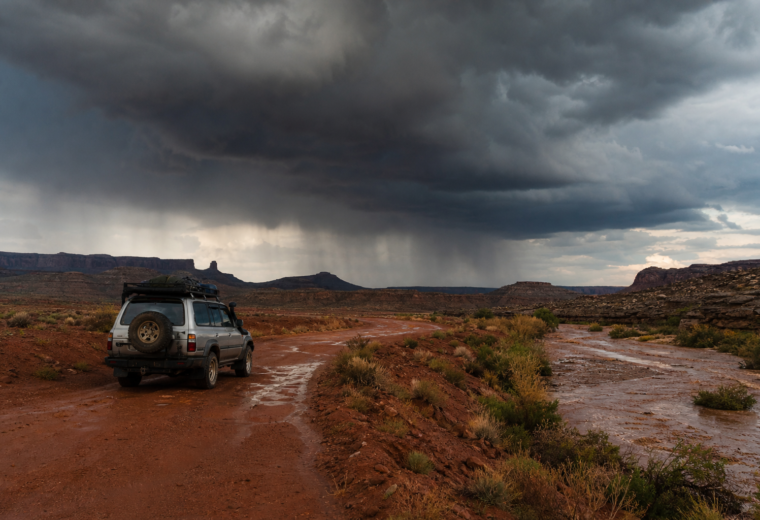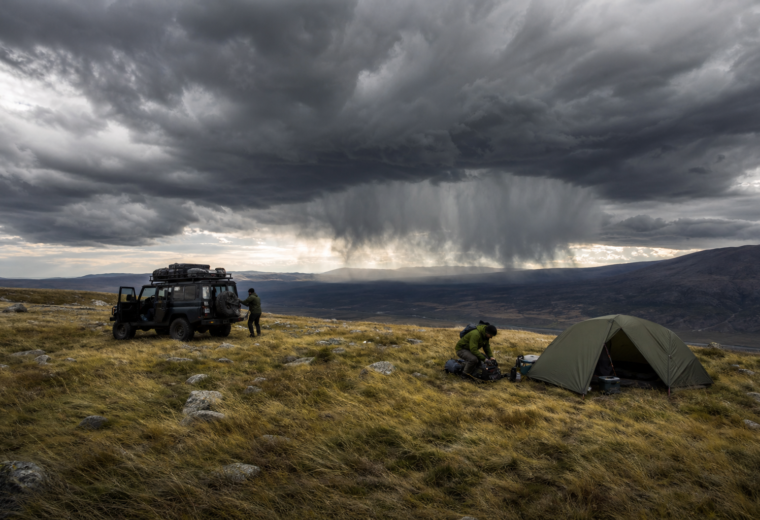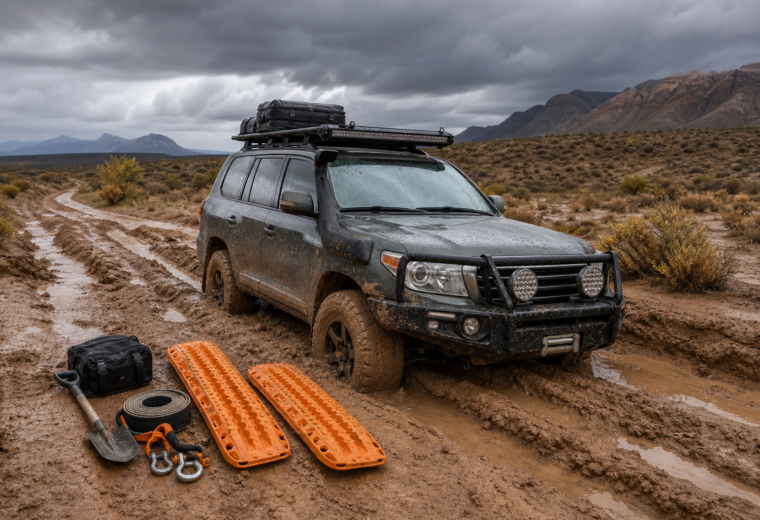
Summer overlanding can turn a good route into a serious risk management problem fast. Heat is not just uncomfortable; it changes how people think, how vehicles perform, how batteries behave, how food keeps, and how pets survive. When you are hours from pavement with limited water, limited shade, and a vehicle full of gear, heat management becomes part of your safety system.
This field guide is built for overlanders, vanlifers, remote campers, and anyone traveling vehicle-supported routes in hot weather. The goal is simple: keep people, pets, and critical gear functioning when the sun is high, the trail is slow, and help is far away.
Understand the Real Risk of Summer Heat
Extreme heat is not limited to deserts. High humidity, low wind, dark vehicle interiors, exposed rock, sand, asphalt, and poor sleep can all push the body toward heat illness. Remote travel adds another layer: you may not have quick access to ice, medical care, fuel, water refills, or cell service.
The biggest mistake is treating heat like a comfort issue instead of an operational hazard. In hot conditions, your daily plan should be built around reducing exposure, conserving water, protecting sleep, and recognizing early warning signs before they become emergencies.
Field rule: If heat is affecting your judgment, movement, or ability to care for others, the trip plan needs to change immediately.
Prevent Heat Illness Before It Starts
Heat illness often develops gradually. A headache, irritability, dizziness, heavy sweating, muscle cramps, or unusual fatigue can be early warnings. Confusion, collapse, seizures, very high body temperature, or altered mental status in heat are emergencies whether the person is sweating or not. Stopped sweating can occur, but it is not required for heat stroke.
Common Heat Problems to Watch For
- Heat cramps: Painful muscle spasms, often caused by fluid and electrolyte loss.
- Heat exhaustion: Heavy sweating, weakness, dizziness, nausea, headache, cool or clammy skin, and fast pulse.
- Heat stroke: Confusion, collapse, seizures, very high body temperature, altered mental state, or loss of consciousness. Sweating may or may not be present. This is a medical emergency.
The best prevention is pacing. Avoid hard physical work during the hottest part of the day. Air down tires, recover vehicles, set camp, repair gear, and hike early in the morning or near sunset when possible. Build rest into the day before you need it.
Hydration Planning for Remote Travel
In summer, water planning should be more conservative than your usual camping math. You need water for drinking, cooking, basic hygiene, pets, emergency cooling, and possible vehicle issues such as emergency radiator top-offs in older rigs. Never open a hot radiator or pressurized coolant reservoir; let the system cool first, and use the vehicle’s recommended coolant when possible. Plain water may be an emergency-only measure. A single spilled jug or failed pump can become a serious problem in remote country.
Practical Water Guidelines
- Carry more than your expected daily need. For hot travel, many groups treat one gallon per person per day for drinking and basic camp use as a minimum starting point, not a maximum. Increase substantially for exertion, high heat, pets, cooking, washing, or emergency cooling.
- Separate storage containers. Do not keep all water in one tank or jug. A leak, contamination issue, or cracked fitting should not wipe out your entire supply.
- Use electrolytes strategically. Heavy sweating requires sodium and other electrolytes, not just plain water. Pack electrolyte tablets, oral rehydration salts, or salty food.
- Track intake. In dry heat, sweat evaporates quickly and people often underestimate fluid loss.
- Keep emergency water out of daily rotation. Mark one reserve container for emergency use only.
Do not rely solely on natural water sources in summer. Springs may be dry, cattle tanks may be contaminated, and filters do not remove every chemical or agricultural hazard. Know your resupply points before committing to long remote sections.
Build a Shade Strategy
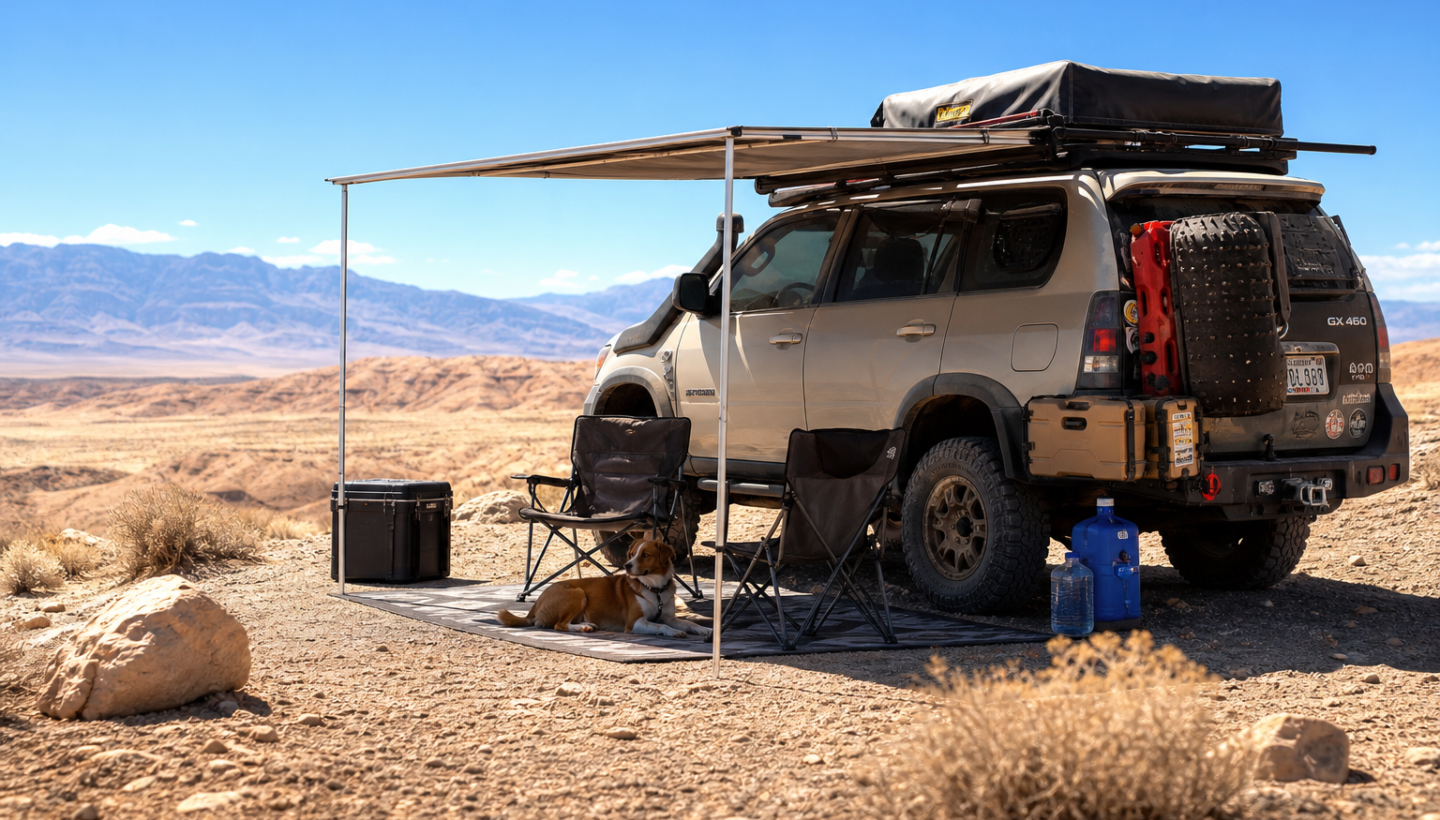
Shade is one of the most valuable pieces of summer camp infrastructure. It lowers radiant heat exposure, protects coolers and fridges, gives pets a safe rest zone, and helps people recover. The best shade system is fast to deploy, stable in wind, and large enough to be useful.
Effective Shade Options
- Vehicle awnings: Quick to set up and useful for roadside lunches or short stops, but vulnerable to gusty wind if left unattended.
- Tarps and poles: Flexible, affordable, and excellent for creating large shade zones when properly guyed out.
- Reflective tarps: Useful over tents, cooking areas, or vehicle sides exposed to direct sun.
- Natural shade: Trees, canyon walls, and boulders can help, but always check for falling limbs, flash flood paths, and unstable rock.
When setting camp, think like the sun. Morning shade, afternoon shade, and sleeping shade are not always in the same place. Park so the harshest afternoon sun hits the smallest or least occupied side of the vehicle. If you have a fridge or battery bank mounted in the rear, consider whether that side will bake all day.
Ventilation and Vehicle Interior Temperatures
A parked vehicle can become dangerously hot in minutes. Cracked windows are not enough to make a closed vehicle safe for people or pets in summer. Interior surfaces, dashboards, seats, cabinets, and cargo areas absorb heat and radiate it back long after sunset.
Ventilation should move hot air out and pull cooler air in. Roof vents, powered fans, screened windows, rear hatch props, and vent shades can all help. In vans and campers, cross-ventilation is key: one opening low or shaded, one opening high or downwind, with a fan creating steady airflow.
Vehicle Heat Management Checklist
- Use reflective windshield and window covers when parked.
- Vent hot air before loading pets or passengers back inside.
- Keep electronics, aerosols, lighters, batteries, and medical supplies out of direct sun.
- Do not store water bottles, first aid supplies, or food in the hottest cargo zones.
- Use a thermometer inside the cabin, sleeping area, and fridge compartment.
- Park with future shade in mind, not just current shade.
If you sleep inside a vehicle, treat airflow as a life-safety system. Bug screens allow you to open doors or windows without inviting insects in. Small 12-volt fans can make a major difference, but they depend on power planning. Always know how long your fan setup can run without draining your starting battery.
Pet Safety in Summer Overlanding
Dogs and other pets are often more vulnerable to heat than people. They cannot tell you when they are approaching a dangerous threshold, and many will keep hiking, riding, or playing past their safe limit. Short-nosed breeds, older animals, overweight pets, dark-coated dogs, and animals with medical issues require extra caution.
Never leave a pet in a parked vehicle in hot conditions. Even a short stop can become deadly. If your route requires entering stores, visitor centers, or buildings where pets cannot go, plan around that before you leave camp.
Pet Heat Safety Kit
- Dedicated drinking water and collapsible bowl.
- Shade mat, cooling pad, or elevated cot.
- Light-colored blanket or reflective cover for ground heat.
- Pet-safe electrolyte option recommended by your veterinarian.
- Tweezers, paw balm, and booties for hot rock, sand, or pavement.
- Digital thermometer and basic pet first aid supplies.
Watch for excessive panting, drooling, weakness, vomiting, glazed eyes, red gums, stumbling, or collapse. Move the animal to shade, offer small amounts of water if the pet can drink normally, and use cool—not ice-cold—water with airflow to help cooling. Do not wrap the pet in towels and leave them on; replace or remove wet towels as they warm. Seek emergency veterinary care for collapse, severe weakness, vomiting, altered behavior, or other serious symptoms.
Protect Your Fridge, Food, and Power System
Heat makes refrigeration harder. A 12-volt fridge working in a hot cargo area will cycle more often, pull more power, and may struggle to maintain safe food temperatures. Solar panels can help, but high temperatures can reduce panel efficiency while also increasing power demand.
Keep Food Safer in Hot Conditions
- Pre-chill food and drinks before loading the fridge.
- Use fridge baskets to reduce the time spent digging with the lid open.
- Separate drinks from perishables if possible, because drink coolers are opened more often.
- Monitor internal temperature with a fridge thermometer, not just the display.
- Keep the fridge shaded and allow ventilation around the compressor.
- Pack shelf-stable backup meals in case refrigeration fails.
Food safety matters more in remote areas because gastrointestinal illness can quickly dehydrate a group and force a trip-ending evacuation. Keep raw meat sealed and isolated, wash hands before food prep, and do not gamble with questionable dairy, meat, or leftovers in extreme heat.
Battery systems also need attention. Lithium batteries, portable power stations, camera gear, laptops, and radios should not be left baking in direct sun. If a power station shuts down from overheating, you may lose fans, communications charging, fridge power, or medical device support when you need them most.
Time Camp Chores Around the Heat
Good summer travel rhythm is simple: move early, rest during peak heat, work late. The hottest hours are usually not the best time to scout a rough trail, dig out a stuck vehicle, cook a complicated meal, or set up camp from scratch.
A Smarter Hot-Weather Day Plan
- Start before sunrise. Break camp, drive technical sections, or hike while temperatures are lower.
- Stop early for a shade break. Eat, hydrate, and check people, pets, tires, and fluids.
- Avoid peak exertion midafternoon. Use this time for navigation review, naps, reading, or low-effort camp tasks.
- Set camp before dark. Give the vehicle and sleeping setup time to vent and cool.
- Reassess water and power every evening. Do not wait until morning to discover a shortage.
Heat also affects decision-making. Groups get impatient, skip checks, and push farther than planned. Build a hard turnaround or camp-by time into the route so fatigue does not make the decision for you.
Choose Clothing for Sun and Sweat
The right clothing reduces water loss and sun exposure. In many hot environments, covering skin is more effective than stripping down. Lightweight, breathable, long-sleeve shirts, wide-brim hats, neck gaiters, and sun gloves protect against UV and radiant heat.
Avoid cotton for high-output activity if it stays soaked and causes chafing, but remember that in very dry environments, a damp bandana or evaporative cooling shirt can help during rest stops. Footwear matters too. Hot sand, rock, and asphalt can burn feet and paws, and swollen feet are common during long hot days.
Summer Clothing Checklist
- UPF-rated long-sleeve shirt.
- Wide-brim hat or cap with neck protection.
- Lightweight pants for sun and brush protection.
- Breathable socks and backup dry pairs.
- Bandana or neck wrap for cooling.
- Sunglasses with UV protection.
- Light gloves for hot steering wheels, recovery gear, or sun exposure.
Set Up for Safer Sleep
Poor sleep makes heat risk worse the next day. A hot vehicle, stagnant tent, or exposed sleeping platform can leave you dehydrated and impaired before the sun comes up. In summer, your sleep system should prioritize airflow over insulation.
Choose mesh-heavy tents, breathable bedding, light sheets, and fans where practical. If sleeping in a van or SUV, vent the vehicle well before bed and keep air moving through the night. Rooftop tents can catch breezes, but they can also absorb heat during the day if left closed in full sun.
When possible, set up sleep areas in evening shade and away from heat-radiating surfaces like rock slabs, pavement, or bare sand that has cooked all day. If bugs are manageable and weather is stable, sleeping under an awning or tarp with a cot can be cooler than sleeping inside a sealed vehicle.
Emergency Warning Signs and Field Response
Heat emergencies require fast action. Do not wait to see if someone “toughs it out.” Stop movement, create shade, cool the person, and decide whether evacuation is needed.
Serious Warning Signs
- Confusion, agitation, or unusual behavior.
- Fainting, collapse, or inability to walk normally.
- Repeated vomiting.
- Seizure or loss of consciousness.
- Very high body temperature, hot skin, altered mental status, or stopped sweating in extreme heat. Sweating can continue during serious heat illness, so do not use sweating alone to rule out heat stroke.
- Rapid worsening despite rest, shade, and fluids.
Move the person out of the sun immediately. Remove excess clothing and gear. Cool aggressively with wet cloths, water on the skin, airflow, ice packs at the neck, armpits, and groin if available, and any safe method that lowers body temperature. If the person is confused, unconscious, seizing, or repeatedly vomiting, do not force fluids by mouth; cool aggressively and seek emergency medical help immediately. If heat stroke is suspected, activate emergency services as soon as possible.
In remote areas, your communication plan matters. Carry more than a cell phone when traveling beyond service. A satellite messenger, personal locator beacon, ham radio where legal and appropriate, or other emergency communication tool can turn a life-threatening delay into a survivable incident.
Key Takeaways
- Plan heat management before the trip. Water, shade, ventilation, and timing should be part of the route plan, not afterthoughts.
- Carry redundant water. Use multiple containers and keep an emergency reserve separate from daily use.
- Protect pets aggressively. Never leave animals in hot vehicles, and watch for early signs of distress.
- Keep fridges and batteries cool. Heat increases power demand and can compromise food safety.
- Move early and rest during peak heat. Schedule hard work for cooler hours whenever possible.
- Know the emergency signs. Confusion, collapse, vomiting, seizures, and altered mental state in heat require immediate action.
Related Resources
- CDC/NIOSH: Heat-Related Illness — A clear overview of heat cramps, heat exhaustion, heat stroke, symptoms, and prevention guidance.
- Ready.gov: Extreme Heat — Practical preparedness advice for heat waves, emergency planning, and staying safe during high-temperature events.
- National Weather Service: Heat Safety — Official heat index, warning sign, and safety information useful for trip planning.
- American Veterinary Medical Association: Warm Weather Pet Safety — Veterinary guidance on protecting pets from heat, hot surfaces, and summer travel hazards.
- FoodSafety.gov: Cold Food Storage Charts — Reference information for keeping refrigerated and frozen foods at safe temperatures.