
When a Storm Hit, I Was Ready—Are You?
Last summer, my weekend hike turned into a 48-hour survival test when a flash flood swept through the canyon. Thanks to my well-packed bug-out bag, I had clean water, food, and shelter to outlast the chaos until help arrived. That experience taught me one thing: your bug-out bag isn’t just gear—it’s your lifeline. Whether you’re prepping for a natural disaster, a multi-day camping trip, or an unexpected emergency, having the right gear, in the right form, in the right place, makes all the difference.
The Core of Your Survival Kit: Key Categories Explained
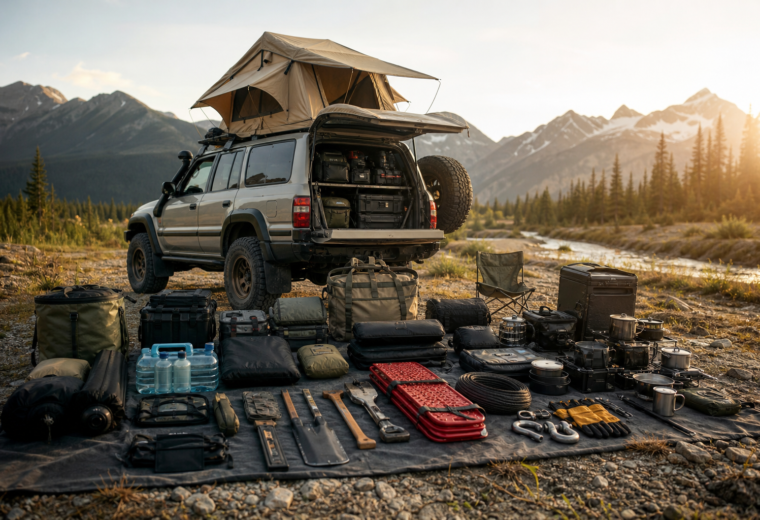
When designing your ultimate bug-out bag, think modular. Each category should be compact, lightweight, and tailored to your specific destination and time frame. Here’s how to break it down:
1. Shelter: Your Portable Safe Haven
Purpose: Protection from the elements—rain, wind, cold, and sun.
Must-Haves:
- Ultralight Tent or Tarp: Look for materials like Dyneema or silnylon. Brands like Zpacks offer tents under 2 lbs.
- Emergency Bivvy Sack: Pocket-sized and heat-reflective; great backup.
- Compact Sleeping Bag or Quilt: Rated for your region’s lowest temps.
- Inflatable Sleeping Pad: Improves insulation and sleep quality.
Pro Tip: Cold and wet are your greatest enemies. Prioritize waterproof and insulated gear if heading into wet or mountainous terrain.
2. Water: Clean Hydration on the Go
Purpose: Staying alive and functioning. Dehydration hits fast.
Must-Haves:
- Collapsible Water Bottles or Hydration Bladders: Save space and weight.
- Water Purification Tablets: Lightweight and chemical-based.
- Portable Water Filter: Sawyer Mini or LifeStraw are compact and reliable.
- Metal Bottle or Cup: For boiling water when needed.
Prioritize: For desert or remote areas, carry more purification options; in wet areas, lean on filters and avoid carrying excess weight.
3. Food: Fuel to Keep You Moving
Purpose: Energy for survival, warmth, and mental clarity.
Must-Haves:
- High-Calorie, Long Shelf-Life Snacks: Think energy bars, trail mix, jerky.
- Freeze-Dried Meals: Lightweight and easy to cook with hot water.
- Compact Stove & Fuel: PocketRocket or Esbit stoves work well.
- Lightweight Cookware: Titanium pots pair well with compact stoves.
Tip: Plan for 2,500–3,500 calories per day depending on exertion level. Rotate stored food every 6–12 months.
4. First Aid: Your Mobile Medical Kit
Purpose: Treat injuries, prevent infections, and stabilize emergencies.
Must-Haves:
- Customizable First Aid Kit: Include bandages, gauze, antiseptic, tweezers, and painkillers.
- Blister Care: Moleskin or hydrocolloid bandages for hikers.
- All-Purpose Antibiotic Ointment
- Personal Medications: 72-hour supply minimum, in waterproof packaging.
Upgrade: Add trauma gear like a tourniquet or clotting agent if venturing far off-grid.
5. Tools: Your Survival Swiss Army
Purpose: Build, repair, defend, and adapt.
Must-Haves:
- Multi-Tool or Swiss Army Knife: Choose one with pliers, blade, and screwdriver.
- Compact Hatchet or Folding Saw: Essential for firewood or shelter.
- Paracord (50–100 ft): Versatile for shelter, repairs, and gear.
- Duct Tape (Mini Roll): Temporary fix for nearly anything.
Weight Tip: Choose tools with multiple uses to save space and ounces.
6. Navigation & Communication: Know Where You Are
Purpose: Prevent getting lost and stay in touch.
Must-Haves:
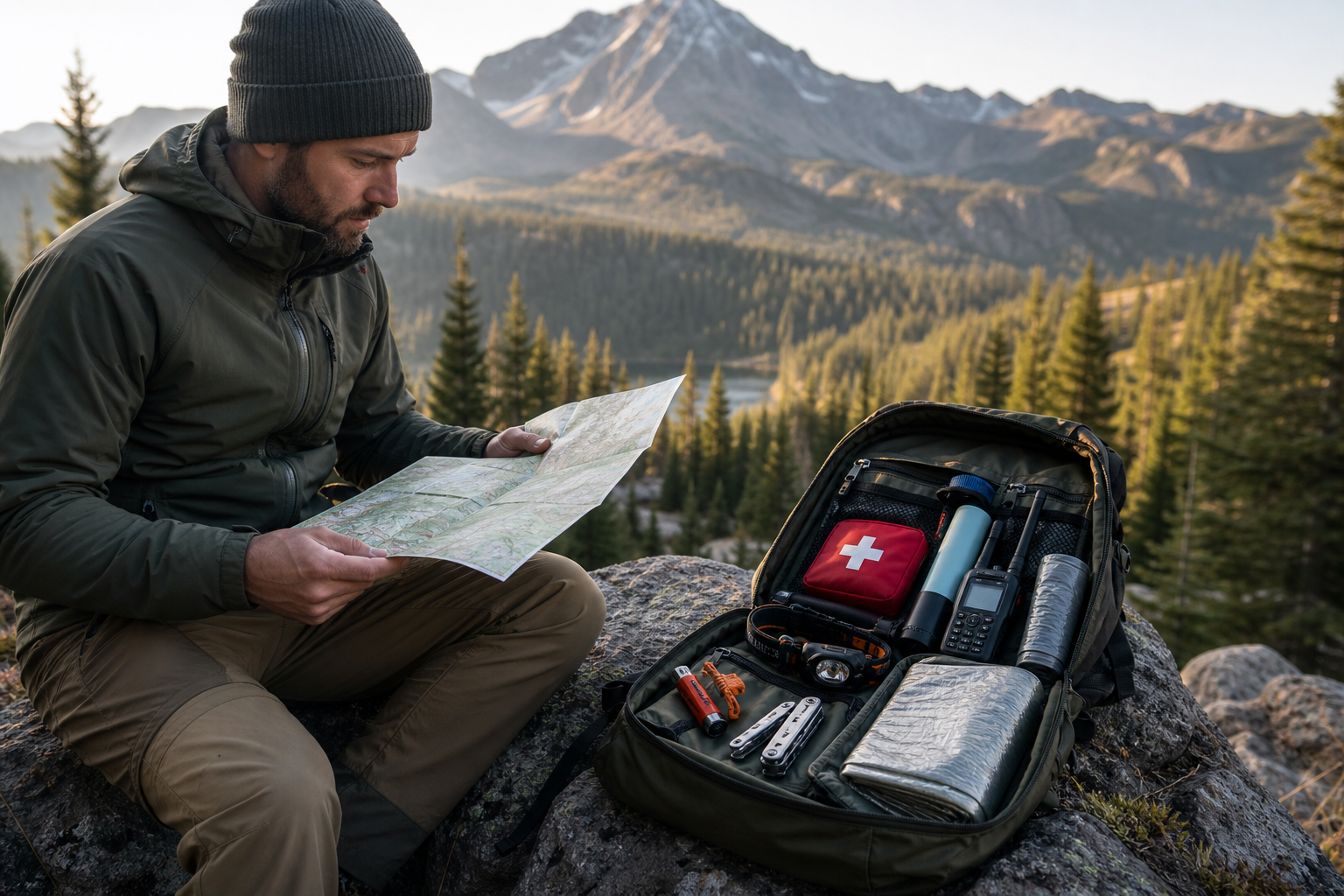
- Compass & Waterproof Map: Digital devices fail; analog doesn’t.
- GPS Device or Satellite Communicator: Garmin InReach is a top choice.
- Signal Mirror & Whistle: For rescue signaling.
- Headlamp with Extra Batteries: Red light mode preserves night vision.
Test It: Practice using your compass before you need it in the field.
Pack Smarter: Prioritizing Based on Context
- Short Trips (1–2 Days): Focus on hydration, food, and first aid. Shelter can be minimal.
- Extended Trips or Remote Areas: Prioritize shelter, tools, and water purification. Navigation becomes critical.
- Disaster Preparedness (Bug-Out Scenario): Balance between portability and redundancy. Include ID copies, cash, and power banks.
Environmental Adjustments:
- Cold Weather: Pack extra insulation, fire-starting gear, and calorie-dense foods.
- Hot Climates: Emphasize water capacity, electrolytes, and UV protection.
- Wet Areas: Waterproof your pack and add extra socks and dry bags.
Maintenance: Test and Rotate Regularly
- Conduct Monthly Checks: Replace expired items and test electronics.
- Practice Runs: Take your bag on hikes to check comfort and accessibility.
- Seasonal Updates: Swap gear based on upcoming weather shifts.
Remember: A bug-out bag you don’t know how to use is just dead weight.
Further Reading & Resources
A comprehensive checklist and gear guide tailored to hikers and campers.
Official guidelines for building emergency kits for natural disasters.
In-depth guide with tiered recommendations based on skill level and budget.
Community-driven advice on ultralight gear and survival strategies.