Under the blistering sun of the Mojave Desert, runner and outdoor guide Mia Tran laces up for a 6-mile loop. It’s 103°F, the kind of heat that cooks asphalt and makes sweat feel like syrup. But Mia’s not worried. She’s layered in a new generation of cooling clothing—fabric engineered not just to survive the heat, but to work with it.
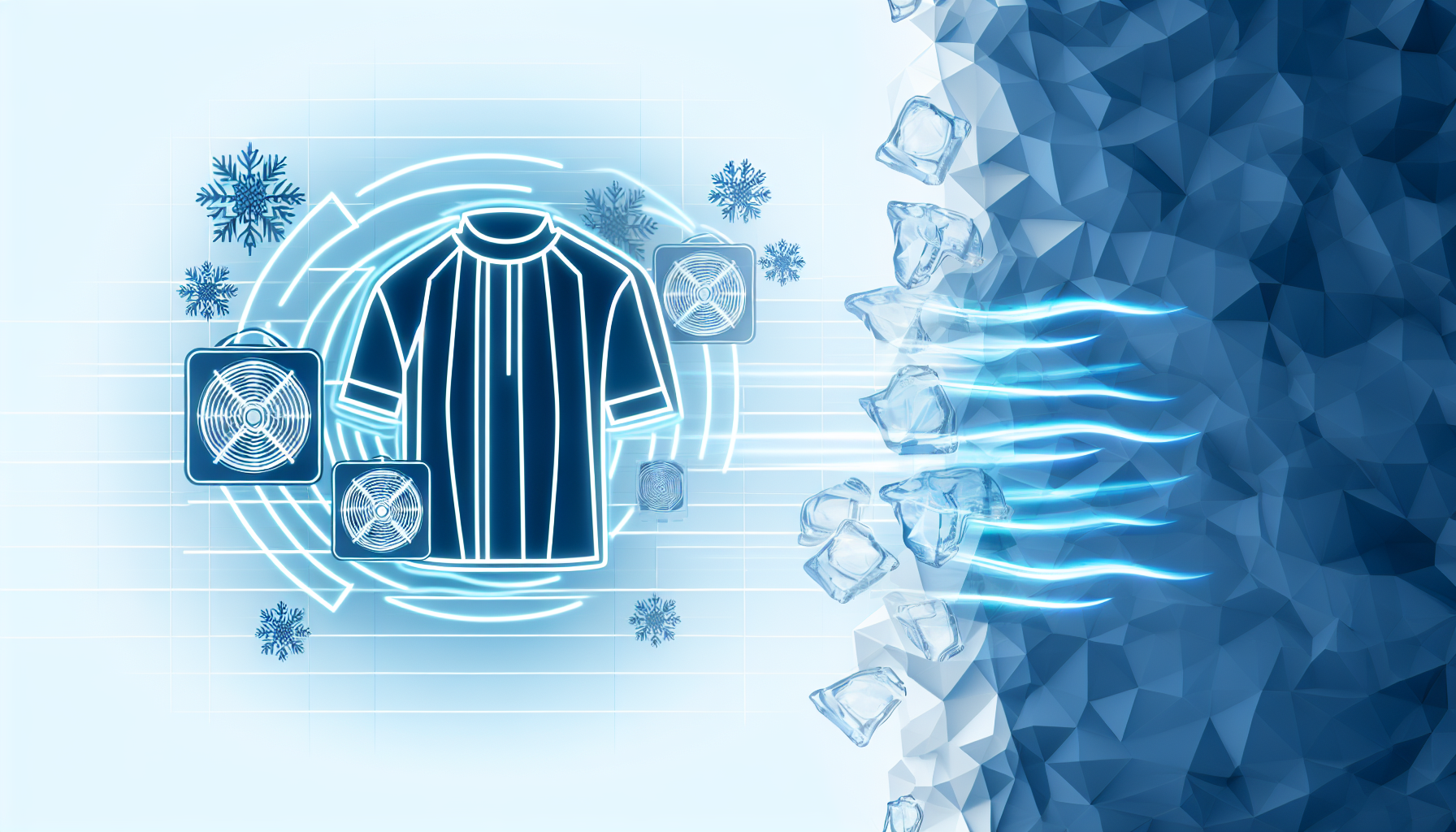
From sun-blocking shirts to towels that chill on contact, and mesh vents that breathe like lungs, today’s cooling gear isn’t just smart—it’s science in motion. In this article, we unpack the tech behind three major innovations in cooling clothing: UPF fabrics, phase-change materials, and mesh ventilation. Plus, we share real-world sweat-rate data from Mia’s desert run to see how these fabrics perform under fire.
Shielding from the Sun: UPF Fabrics
What is UPF?
UPF stands for Ultraviolet Protection Factor. Unlike SPF, which only applies to sunscreen, UPF measures how much UV radiation a fabric blocks. A UPF rating of 50 means only 1/50th of the sun’s rays reach your skin—about 2%.
Why it matters:
UV rays not only cause sunburn but also contribute to overheating. UPF fabrics reduce this exposure, helping regulate body temperature while protecting skin from long-term damage.
Top Features of UPF Clothing:
- Tightly woven fibers (like polyester or nylon) reflect UV rays.
- Chemical treatments add another layer of UV resistance.
- Dark or bright colors absorb more UV but can also retain heat—balance is key.
- Durability: Unlike sunscreen, UPF protection doesn’t wash off.
Best Use: Long hikes, desert runs, or any activity with prolonged sun exposure.
Instant Chill: Phase-Change Cooling Towels
What Are They?
These towels use phase-change materials (PCMs)—substances that absorb or release heat during phase transitions (like melting or solidifying). When wet, the towel cools as the water evaporates, and the PCM helps regulate temperature for longer-lasting relief.
How They Work:
1. Wet the towel.
2. Wring it out.
3. Snap or whip it to activate airflow.
4. Apply to neck or wrists.
Cooling Effect:
PCMs in the towel absorb body heat, keeping the towel below skin temperature for up to 2 hours depending on humidity and airflow.
Best Use: Mid-run cooldowns, post-workout recovery, or emergency heat relief.
Breathe Easy: Mesh Ventilation Panels
Smart Vent Placement
Mesh panels are strategically placed in high-sweat zones—underarms, lower back, chest, and behind knees. The idea: maximize airflow where it matters most.
Fabric Science:
- Open-weave structure allows hot air to escape.
- Moisture-wicking fibers draw sweat away from the skin.
- Stretch zones maintain mobility even with added ventilation.
Benefits:
- Reduced sweat pooling.
- Faster evaporation equals faster cooling.
- Greater comfort during high-output activities.
Best Use: Trail running, cycling, and gym workouts.
Real-World Test: 6-Mile Desert Loop
Conditions:
- Location: Mojave Desert
- Temp: 103°F
- Distance: 6 miles
- Runner: Mia Tran
- Gear: UPF 50+ shirt, PCM cooling towel, mesh-vented shorts
Test Parameters:
- Wicking Time: Time it takes for sweat to evaporate
- Sweat Rate: Measured in liters/hour using pre- and post-run weight
| Fabric Type | Wicking Time (min) | Avg Sweat Loss (L/hr) |
|————————–|——————–|————————|
| UPF 50+ Shirt | 4.5 | 1.1 |
| PCM Cooling Towel | 2.2 | (Used post-run) |
| Mesh Shorts (vented) | 3.0 | 0.9 |
| Cotton T-shirt (control) | 8.7 | 1.4 |
Findings:
- The UPF shirt wicked sweat nearly twice as fast as cotton, while keeping skin cooler by ~3°F.
- PCM towel dropped Mia’s skin temp by 7°F in 30 seconds.
- Mesh shorts prevented sweat pooling and reduced chafing.
Further Reading & Resources
Learn how UPF ratings work and why they’re critical for sun safety.
Understand how heat affects the body and best practices for cooling.
Technical breakdown of PCMs and their application in activewear.
A practical guide on selecting ideal fabrics for warm climates.