Water is the one camp supply you cannot improvise your way around for long. Food can be stretched. Power can be rationed. Comfort can be downgraded. But in hot, remote country, a poor water plan can turn a solid off-grid camping trip into a medical problem, a vehicle recovery problem, or a forced retreat. The goal is not to carry a random pile of jugs and hope it works. The goal is to calculate your needs, build in reserve, and store water in a way that keeps your camp functional even if a container leaks, a filter clogs, or the temperature spikes.
For most off-grid summer camping, a realistic planning range is 3 to 5 gallons of water per person per day when you include drinking, cooking, dishwashing, basic hygiene, and a safety buffer. Minimalist backpacking numbers do not translate well to vehicle-based camping, overlanding, desert travel, dispersed campsites, or family base camps where people are active, cooking real meals, washing hands, managing pets, and staying out for multiple days.
The Baseline: Start With Drinking Water
A common emergency planning rule is one gallon per person per day. That is a useful minimum for survival planning, but it is often too low for summer off-grid camping, especially if you are hiking, setting up camp in full sun, driving rough trails, or sleeping in a hot tent or vehicle.
For summer trips, use these practical drinking-water targets:
- Cool to mild conditions: 1 gallon per adult per day.
- Hot conditions or moderate activity: 1.5 gallons per adult per day.
- Desert heat, high exertion, or high elevation: 2 gallons or more per adult per day.
- Children: Plan 0.5 to 1 gallon per child per day depending on age, heat, and activity.
These numbers are for drinking only. They do not include coffee, cooking, rinsing dishes, handwashing, sponge baths, dog bowls, or emergency reserve. If you are relying on one gallon per person per day as your entire water plan, you are running lean.
Field rule: If you are camping where shade is scarce, the road is rough, or the nearest reliable water source is more than an hour away, plan like water is a critical system, not a convenience item.
Add Cooking and Camp Kitchen Water
Cooking water varies heavily by menu. Freeze-dried meals and instant oats use less water than pasta, rice, beans, fresh vegetables, or big coffee mornings. The mistake many campers make is counting only the water they drink and forgetting the water that disappears into food.
A practical cooking estimate is:
- Low-water menu: 0.25 gallon per person per day.
- Normal camp cooking: 0.5 gallon per person per day.
- Water-heavy meals: 0.75 to 1 gallon per person per day.
If you cook pasta and dump the water, you are burning through your supply fast. In dry country, choose meals that absorb water instead of wasting it. Rice, couscous, instant potatoes, tortillas, canned proteins, and one-pan meals are usually more water-efficient than large pots of boiling food. If you do cook with extra water, reuse it where safe, such as adding starchy pasta water to a sauce instead of pouring it out.
Dishwashing: The Hidden Water Drain
Dishwashing is where relaxed camps waste gallons without noticing. A flowing spigot, even from a jug, can empty faster than expected. The better system is a controlled wash station.
Plan roughly:
- Minimal dishwashing: 0.25 gallon per person per day.
- Normal camp dishwashing: 0.5 gallon per person per day.
- Family camp or heavy cooking: 0.75 gallon per person per day.
To cut dishwater use, scrape plates thoroughly, wipe pans with a paper towel or dedicated scraper before washing, and use a two-bin system: one small bin for washing and one for rinsing. A spray bottle with clean water is more efficient than pouring from a jug. Biodegradable soap still needs proper disposal and should not go directly into streams, lakes, or desert potholes.
Hygiene Water: Small Amounts Prevent Big Problems
Hygiene is not just about comfort. In remote camps, dirty hands can lead to stomach trouble, infected cuts, and poor morale. You do not need a full shower every day, but you do need enough water for handwashing, face cleaning, basic body wipes, dental care, and first aid.
Plan:
- Minimal hygiene: 0.25 gallon per person per day.
- Practical summer hygiene: 0.5 gallon per person per day.
- Shower-style camp setup: 1 to 2 gallons per person per day, depending on flow control.
A pressurized sprayer or gravity shower with a shutoff valve can make one gallon go a long way. Wet wipes help, but they do not replace water for handwashing around food. Always pack hand sanitizer, but remember that sanitizer is less effective on visibly dirty or greasy hands.
Pets Need Their Own Water Plan
Dogs can burn through surprising amounts of water in summer, especially on dusty trails, hot rock, sand, or long vehicle days. Do not assume your dog will drink from natural sources. Those sources may be dry, contaminated, full of algae, or unsafe due to livestock activity.
A basic planning range for dogs is:
- Small dogs: 0.25 to 0.5 gallon per day.
- Medium dogs: 0.5 to 1 gallon per day.
- Large active dogs: 1 gallon or more per day.
In hot weather, bring extra for cooling paws, rinsing dust from eyes, and wetting a bandana or cooling mat. Dogs can overheat quickly, and water planning should be tied directly to shade planning, rest breaks, and avoiding midday exertion.
The Emergency Reserve: Do Not Spend Your Last Gallon
Your planned water is not the same as your usable water. A reserve is what keeps a delay from becoming a crisis. Vehicle trouble, a closed road, a navigation mistake, a sick camper, wind, heat, wildfire detours, or a failed water filter can all extend your trip.
For off-grid summer camping, carry a minimum emergency reserve of:
- One extra day of drinking water for the entire group as an absolute minimum.
- Two extra days of drinking water for desert travel, solo travel, remote routes, or unreliable access roads.
- Additional vehicle emergency water if you are traveling through high-heat regions where breakdowns are plausible.
Keep reserve water physically separate from daily-use water. If all your water is in one large tank and you are casually using it for dishes and showers, you may not notice how low you are until it is too late. Mark a “do not use unless needed” container and leave it sealed.
A Simple Formula for Total Water
Use this planning formula before every trip:
Total gallons = daily use per person × number of people × number of days + pets + emergency reserve
For most summer off-grid trips, a strong planning number is:
3 gallons per person per day for lean but functional camping
4 gallons per person per day for comfortable summer camping
5 gallons per person per day for hot, remote, hygiene-friendly base camps
Example 1: Two Adults, Three Nights, Warm Weather
Two adults are camping for three days with normal meals, basic dishwashing, and no shower.
- Daily planning number: 3 gallons per person.
- Group daily need: 2 people × 3 gallons = 6 gallons.
- Trip need: 6 gallons × 3 days = 18 gallons.
- Emergency drinking reserve: 2 adults × 1.5 gallons = 3 gallons minimum.
- Total: 21 gallons.
In the field, this might look like four 5-gallon containers plus a separate 1-gallon emergency bottle, or a 15-gallon tank plus two 3-gallon jugs and a sealed reserve.
Example 2: Family of Four, Four Days, Hot Conditions
Two adults and two kids are camping off-grid in July. They plan to cook most meals and use water for handwashing and limited rinse-offs.
- Daily planning number: 4 gallons per person.
- Group daily need: 4 people × 4 gallons = 16 gallons.
- Trip need: 16 gallons × 4 days = 64 gallons.
- Emergency reserve: at least 6 to 8 gallons drinking water.
- Total: 70 to 72 gallons.
That is a lot of water, and it has weight. Water weighs about 8.34 pounds per gallon, so 70 gallons weighs roughly 584 pounds before containers. This is where vehicle payload, storage layout, and realistic trip length matter. If your rig cannot safely carry the water, shorten the trip, identify a reliable resupply point, or reduce water-intensive camp habits.
Example 3: Solo Overlander, Five Days, Desert Route
A solo traveler is running a remote desert route with no guaranteed water source and high daytime temperatures.
- Daily planning number: 4 gallons per day.
- Trip need: 4 gallons × 5 days = 20 gallons.
- Emergency reserve: 2 days drinking water at 2 gallons per day = 4 gallons.
- Vehicle contingency: 2 additional gallons.
- Total: 26 gallons minimum.
For this type of route, redundancy matters more than convenience. A single tank is not enough. Split the supply across multiple containers so a puncture, loose cap, or plumbing failure does not drain the entire system.
Storage Containers: Choose Durable and Redundant
Water storage should match your travel style. Cheap thin jugs are fine for a picnic, but they are poor tools for washboard roads, cargo abrasion, freezing nights, and repeated summer use. Good containers seal tightly, pour cleanly, resist impact, and can be secured in the vehicle.
Common options include:
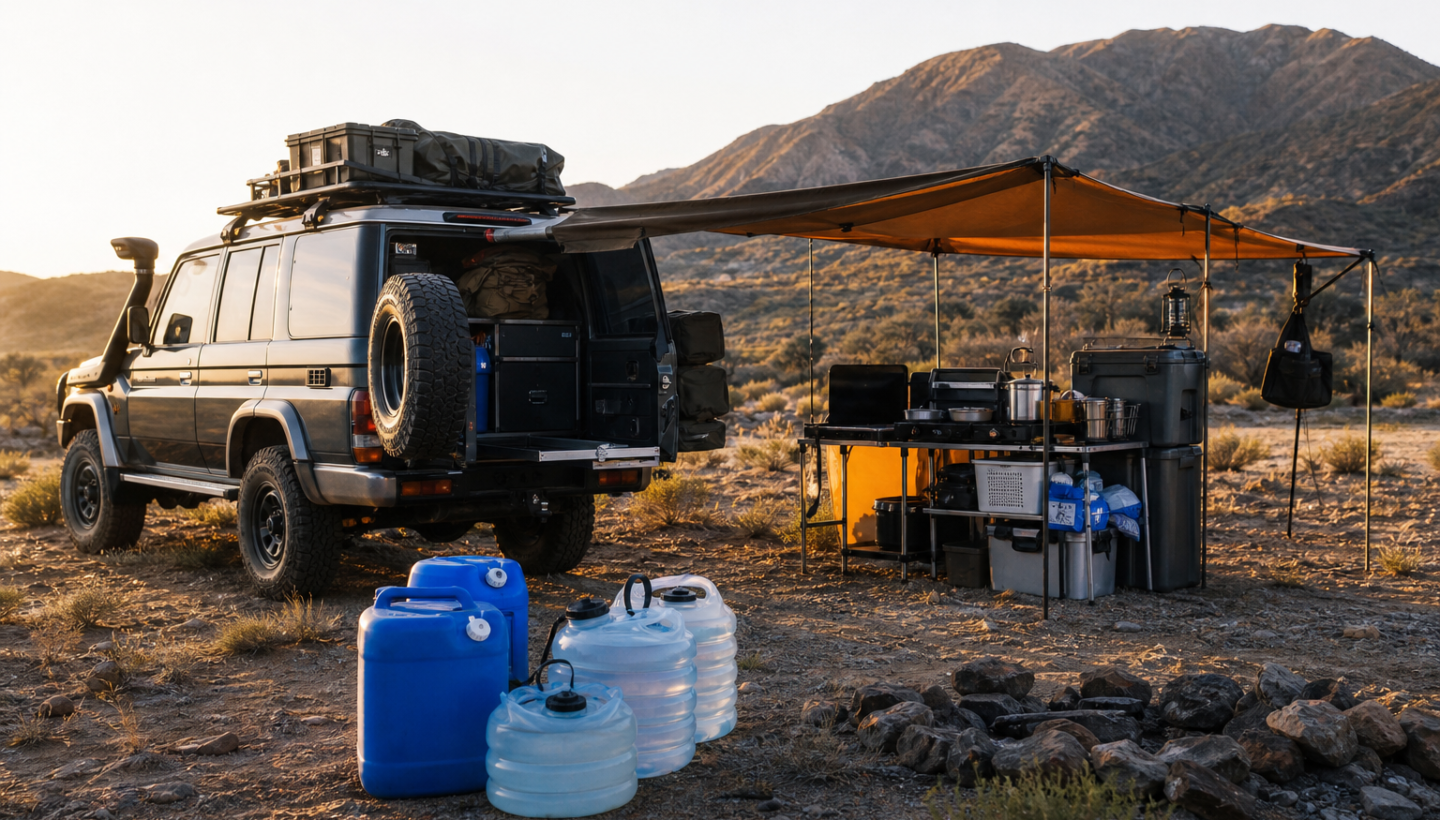
- 5- to 7-gallon rigid jugs: Easy to move, easy to ration, and simple to replace.
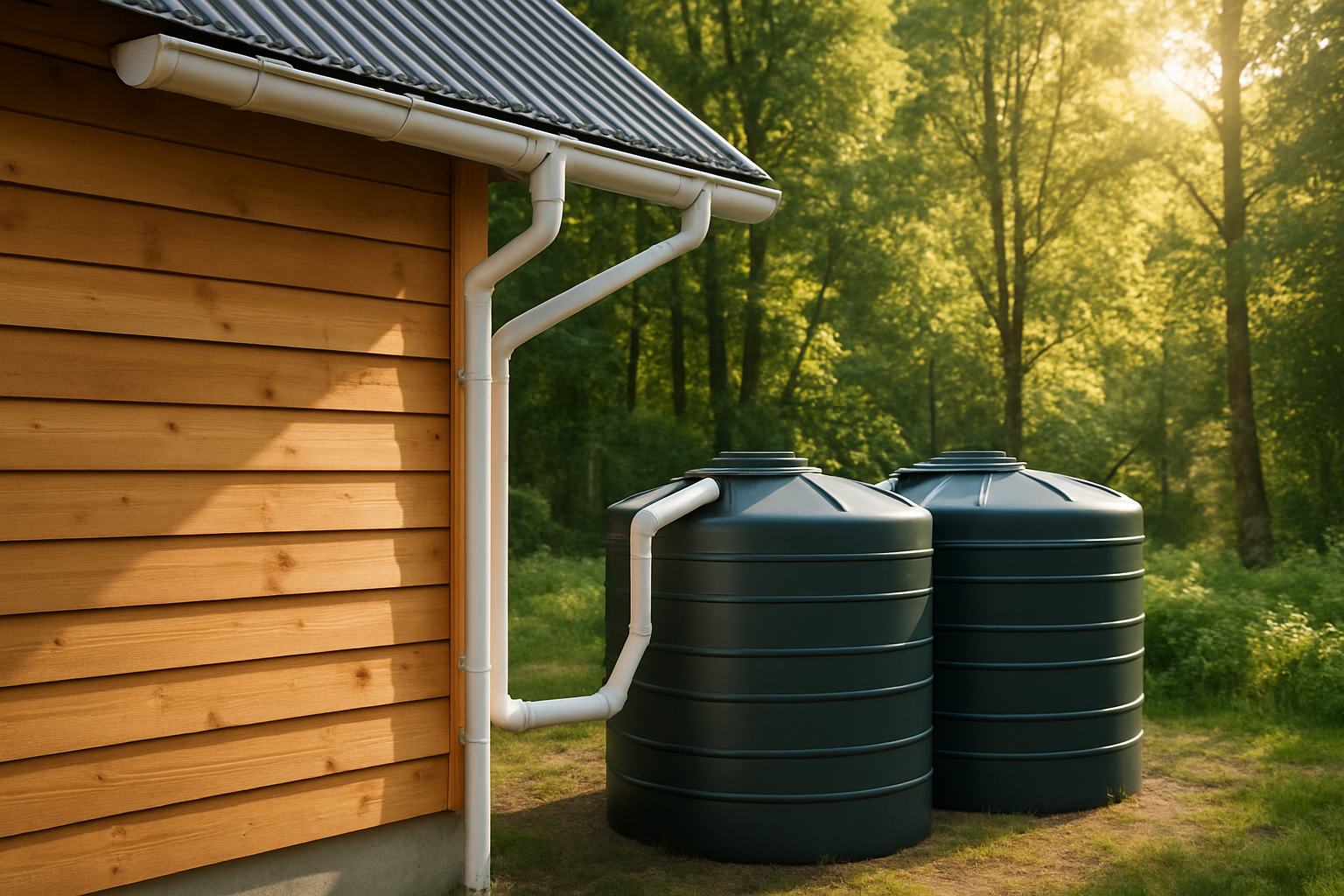
- Built-in water tanks: Efficient for vans, trailers, and overland builds, but vulnerable to plumbing leaks and harder to remove for filling.
- Collapsible containers: Useful as backup storage, but less durable under abrasion and harder to secure.
- Small bottles: Excellent for emergency reserve, day hikes, and distributing water across packs and vehicles.
A strong setup uses at least two storage types. For example, a main tank for kitchen use, two rugged 5-gallon jugs for daily refill and backup, and several sealed one-liter bottles for emergency grab-and-go use. Label potable water clearly and keep non-potable water containers separate.
Filtration and Treatment: Backup, Not an Excuse to Underpack
Filters are essential tools, but they are not magic. A creek may be seasonal. A spring may be dry. A lake may be miles from camp. A filter can clog with sediment, freeze, crack, or fail. Chemical treatment takes time and may not remove sediment, fuel contamination, or certain toxins. Boiling requires fuel and a clean pot.
Carry filtration or treatment when traveling near potential natural sources, but do not use it as a reason to leave your baseline water behind. Treat it as a way to extend the trip, recover from a planning error, or reduce risk if you discover a reliable source.
A complete water treatment kit may include:
- A primary water filter rated for backcountry microorganisms.
- A backup treatment method such as chlorine dioxide tablets or drops.
- A pre-filter such as a bandana, coffee filter, or sediment bag for silty water.
- A dedicated dirty-water bag to keep untreated water away from clean containers.
- A metal pot for boiling water if needed.
In desert and livestock areas, be especially cautious. Water can be biologically contaminated, chemically contaminated, or unsafe due to algae blooms. If water looks suspicious, smells like fuel or chemicals, contains dead animals nearby, or has heavy algae growth, do not rely on basic filtration alone.
Ration Planning in Camp
Rationing should begin on day one, not after half the supply is gone. The best method is to separate water by purpose. Keep drinking water protected, kitchen water controlled, and emergency water sealed.
A simple camp system looks like this:
- Daily issue: Set out only the water you expect to use that day.
- Drinking priority: Fill personal bottles each morning before using water for dishes or hygiene.
- Kitchen control: Use a spigot, pump, or pour lid that limits flow.
- Evening check: Measure remaining water every night and compare it to the trip plan.
- Trigger point: Decide in advance when low water means leaving camp or resupplying.
That last point matters. A good water plan includes a decision line. For example: “If we drop below one full day of drinking water plus reserve, we leave.” Making that decision before anyone is hot, tired, or stubborn keeps the group safer.
Hot-Weather Risk: Water Is Only Part of the System
Drinking more water does not make you immune to heat illness. In serious heat, you need shade, rest, airflow, sun protection, electrolytes, and smart scheduling. Camp chores should happen early and late. Midday should be for shade, low movement, and cooling down.
Watch for signs of heat stress: headache, dizziness, nausea, confusion, heavy sweating that suddenly stops, cramps, unusual fatigue, or poor coordination. If someone is deteriorating in the heat, do not simply tell them to drink water and wait. Move them to shade, cool them aggressively, reduce exertion, and seek medical help if symptoms are severe or worsening.
Electrolytes are also part of summer water planning. Heavy sweating without salt replacement can leave people weak, crampy, and nauseated. Pack electrolyte packets, salty food, or oral rehydration supplies, especially for hot routes and active days.
Key Takeaways
- Plan 3 to 5 gallons per person per day for off-grid summer camping when drinking, cooking, dishes, hygiene, and margin are included.
- Drinking water alone is not the full plan. Kitchen use, pets, hygiene, and cleanup add up quickly.
- Carry an emergency reserve and keep it separate from daily-use water.
- Split water across multiple containers so one leak or failure does not wipe out your supply.
- Use filtration as backup, not as your primary plan unless you have confirmed reliable water sources.
- Check your water every day and set a clear turnaround or resupply trigger before the trip starts.
Off-grid water planning is not about fear. It is about staying in control. When you know your numbers, secure your containers, protect your reserve, and manage daily use, you can camp farther from the pavement with more confidence and fewer bad surprises. Water is weight, but in remote summer country, it is also time, safety, and freedom.
Related Resources
- Ready.gov: Water — Official emergency guidance on how much water to store and how to manage water during disruptions.
- EPA: Emergency Disinfection of Drinking Water — Practical instructions for disinfecting water when safe treated water is not available.
- National Park Service: The Ten Essentials — A reliable framework for packing safety-critical gear, including water and treatment supplies.
- Leave No Trace: The 7 Principles — Guidance for reducing camp impact, including responsible wastewater disposal and protecting natural water sources.