Embracing solar power on the road has become a game-changer for vanlifers, overlanders, and anyone passionate about off-grid living. With a reliable solar power system, you can enjoy the freedom of traveling remote landscapes without sacrificing your access to essential energy. However, harnessing solar energy efficiently requires thoughtful planning, smart equipment choices, and disciplined energy management. This article explores practical tips for selecting, installing, and optimizing your solar power setup to maximize efficiency and sustainability during your adventures.
Choosing the Right Solar Power System for Your Mobile Lifestyle
Before you dive into installation, it’s crucial to understand the components and options available for solar power on the road. Your choice depends on your typical energy needs, vehicle type, and travel style.
1. Assess Your Energy Consumption
Start by listing all the electrical devices you plan to power, such as lights, refrigerators, laptops, phones, and water pumps. Note each device’s wattage and estimate daily usage hours to calculate your total daily watt-hour consumption. This assessment will guide the size and capacity of your solar panels, battery bank, and charge controller.
- Example: A 50-watt refrigerator running 24 hours consumes about 1,200 watt-hours daily.
- LED lights generally use 5–10 watts each and run only a few hours per day.
2. Select Solar Panels Suitable for Your Setup
There are several types of solar panels to consider:
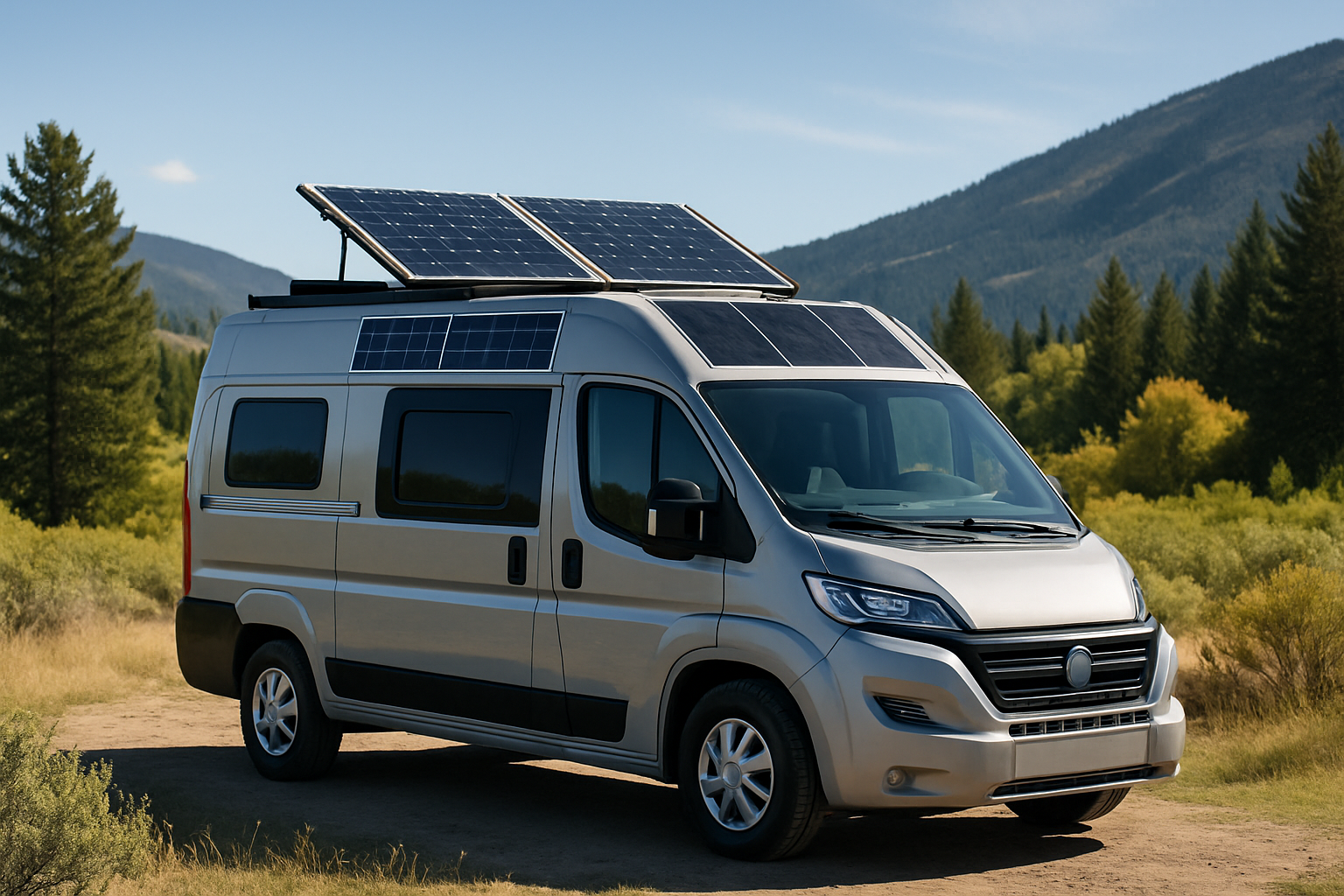
- Monocrystalline Panels: High efficiency and sleek design, ideal for limited roof space.
- Polycrystalline Panels: Slightly less efficient but more affordable.
- Flexible Panels: Lightweight and adaptable to curved surfaces but typically less durable.
Consider the available surface area on your vehicle’s roof and your power requirements. Often, a combination of two or more panels totaling 200 to 400 watts is a good starting point for vanlife and overlanding.
3. Choose the Right Battery Bank
Solar energy is only useful if you can store it efficiently. For mobile solar systems, lithium iron phosphate (LiFePO4) batteries are increasingly popular due to their longevity, safety, and depth of discharge. Lead-acid batteries remain an option but require more maintenance and have shorter lifespans.
Calculate your battery capacity based on your daily energy usage and desired autonomy (how many days you want to run without sun). For example, if you use 1,000 watt-hours daily and want two days of backup, you’d need a battery bank of about 2,000 watt-hours or roughly 200 amp-hours at 12 volts.
4. Don’t Overlook the Charge Controller
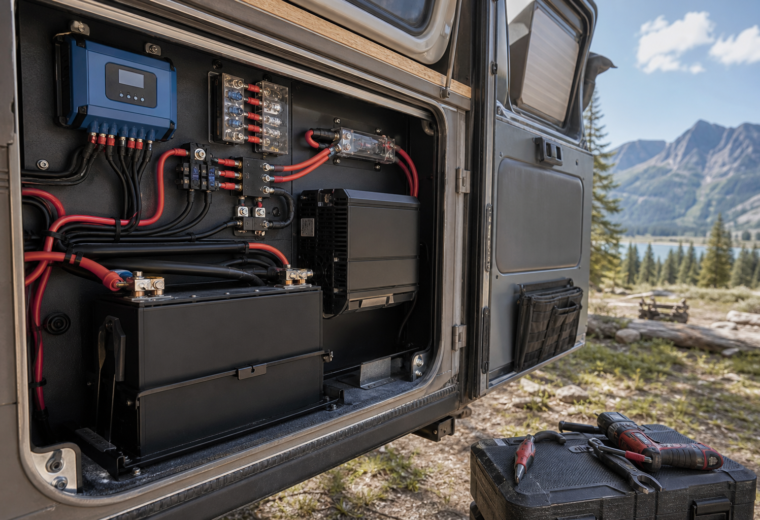
The charge controller regulates the voltage and current coming from your solar panels to your batteries, preventing overcharging and damage. Two main types exist:
- PWM (Pulse Width Modulation): More affordable but less efficient.
- MPPT (Maximum Power Point Tracking): More expensive but significantly improves charging efficiency, especially in variable light conditions.
For mobile setups, investing in an MPPT controller is highly recommended to maximize solar harvest.
Professional Installation Tips for Peak Solar Performance
Proper installation is essential to ensure your solar system performs reliably and safely on the road.
1. Position Solar Panels for Maximum Sun Exposure
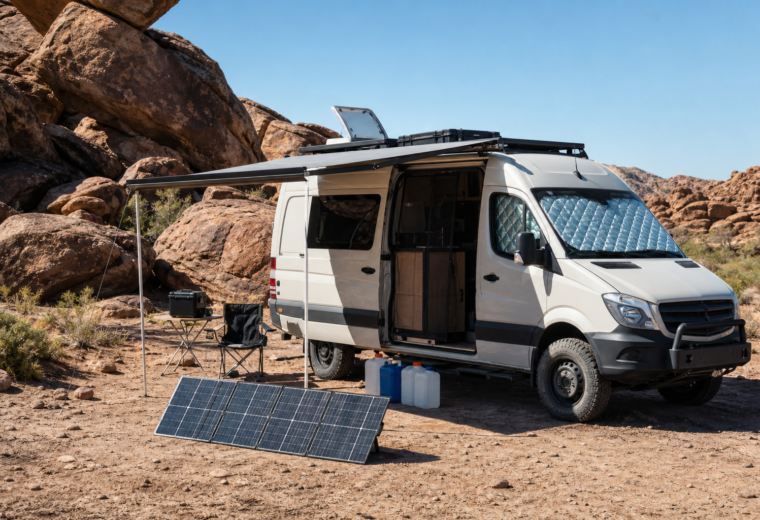
Mount your panels on the roof of your vehicle where they will receive the most direct sunlight, typically facing south in the northern hemisphere. Avoid shading from roof racks, vents, or antennas. If possible, use adjustable mounts or portable panels to tilt toward the sun during stops.
2. Secure and Weatherproof All Components
Use durable brackets and sealants designed for outdoor use to prevent water intrusion and wind damage. Protect all wiring with conduits and grommets where they pass through metal or other surfaces. Make sure all connections are tight and corrosion-resistant.
3. Maintain Proper Wire Sizing and Fuse Protection
Calculate wire gauge based on the current and distance to minimize voltage drop. Oversized wires are safer and more efficient but may be heavier and costlier. Always install appropriate fuses or circuit breakers near the battery and solar panels to protect your system from electrical faults.
4. Monitor and Test the System Regularly
Install a battery monitor or solar charge controller with a display to keep track of voltage, current, and state of charge. Regularly check all components for signs of wear, corrosion, or loose connections, especially after off-road trips.
Managing Energy Use to Maximize Efficiency and Sustainability
Even with a robust solar system, efficient energy use is critical for sustainable off-grid living.
1. Prioritize Energy-Efficient Appliances and Lighting
Use LED lights, low-power refrigerators, and energy-saving devices wherever possible. Consider manual or non-electric alternatives for some functions, such as hand pumps or propane stoves.
2. Schedule Energy-Intensive Tasks During Peak Sunlight
Plan to charge devices, run appliances, or power your inverter when solar input is highest. This reduces battery drain and ensures the system operates within its optimal range.
3. Practice Smart Battery Management
- Avoid deep discharges below 20% battery capacity to extend battery life.
- Switch off non-essential devices when solar input is low, such as on cloudy days or at night.
- Use a battery monitor to track usage patterns and adjust behavior accordingly.
4. Consider Supplemental Energy Sources
For longer trips or variable weather, consider carrying a portable generator, wind turbine, or extra battery packs. These can provide peace of mind and additional power without compromising your off-grid independence.
Key Takeaways
- Assess your energy needs accurately to size your solar power system effectively.
- Invest in high-quality, appropriate solar panels, batteries, and MPPT charge controllers for maximum efficiency.
- Install your system thoughtfully to ensure optimal sun exposure, weatherproofing, and electrical safety.
- Manage your energy use conscientiously by choosing efficient appliances and scheduling power-intensive tasks during peak sunlight.
- Regular maintenance and monitoring improve system reliability and longevity.