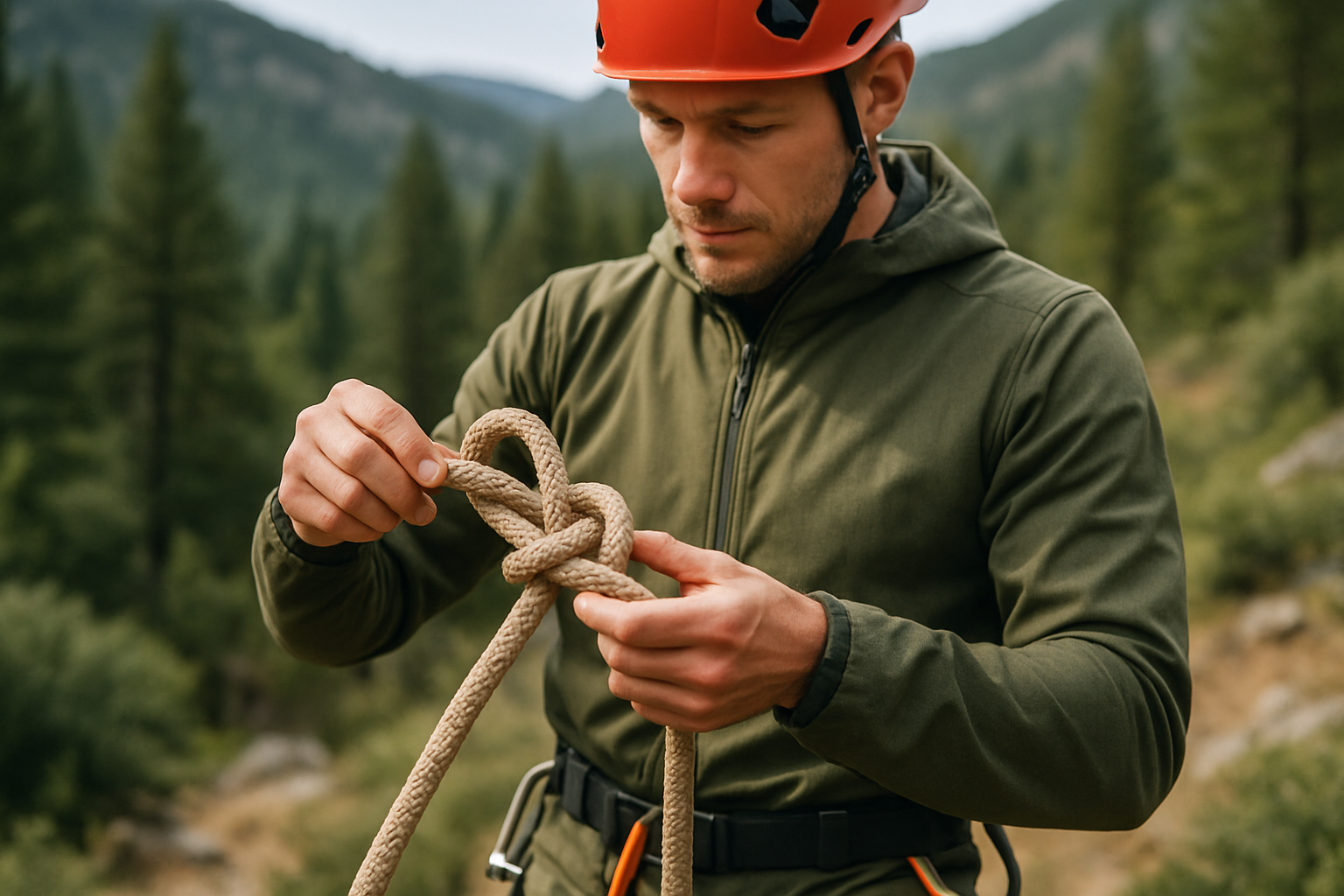

When venturing into the wilderness, the challenges you face are not only physical but deeply psychological. Survival psychology, the study of how the mind influences survival outcomes, reveals that mental resilience and a well-prepared mindset are often the most crucial factors between thriving and succumbing to adversity in the wild. Whether you’re an overlander crossing remote terrains, a vanlifer exploring off-grid locations, or an outdoor enthusiast preparing for unexpected situations, understanding how your mind works under stress can dramatically improve your chances of success.
The Crucial Role of Mental Resilience in Survival
Physical preparedness, gear, and navigation skills are undeniably important, but without mental resilience, even the best equipment can fall short. Mental resilience is the ability to withstand, adapt to, and recover from stressful or threatening situations. In survival scenarios, this means managing fear, maintaining focus, and making rational decisions despite fatigue, isolation, or environmental pressures.
Studies of survival situations—from lost hikers to disaster survivors—consistently highlight that those with stronger psychological endurance tend to survive longer and with fewer complications. This resilience is a skill that can be cultivated and strengthened before you ever step foot into the wild.
Common Psychological Challenges in the Wilderness
- Fear and Panic: Sudden fear can cause irrational thinking, poor decision-making, and physical reactions like hyperventilation.
- Isolation and Loneliness: The absence of social interaction can lead to feelings of despair and decreased motivation.
- Fatigue and Sleep Deprivation: These impair cognitive functions, reducing problem-solving abilities and increasing emotional volatility.
- Uncertainty and Loss of Control: Not knowing what lies ahead or feeling helpless can cause anxiety and hopelessness.
Psychological Strategies to Strengthen Your Survival Mindset
Building a survival mindset involves proactive mental training and practical techniques you can apply both before and during your outdoor adventures.
1. Cultivate Situational Awareness
Being mentally present and aware of your surroundings allows you to anticipate challenges and respond effectively. Practice mindfulness techniques to stay grounded, such as:
- Regularly scanning your environment for changes or hazards.
- Noticing your physical and emotional responses to stress.
- Keeping a mental checklist of your priorities: shelter, water, food, signaling, and navigation.
Awareness reduces surprises and helps maintain a sense of control.
2. Develop a Positive but Realistic Outlook
Optimism fuels perseverance, but blind hope can be dangerous. Strive for a balanced mindset that acknowledges risks while focusing on actionable solutions. Techniques include:
- Setting small, achievable goals to create momentum.
- Affirming your skills and past successes to boost confidence.
- Reframing negative thoughts into constructive ones (e.g., “I am tired, but I can rest safely and continue”).
3. Practice Stress-Reduction Techniques
Stress can cloud judgment and exhaust your body. Integrate simple methods to calm your mind:
- Controlled Breathing: Slow, deep breaths (e.g., inhale for 4 seconds, hold for 4, exhale for 6) can reduce panic.
- Visualization: Mentally rehearse successful survival actions to build familiarity and reduce fear.
- Grounding Exercises: Focus on sensory details around you—touch, sound, sight—to pull your mind away from anxious thoughts.
4. Maintain Social Connection When Possible
Even in solitude, staying connected to others (via radio, satellite communication, or mental imagery) supports emotional wellbeing. If you are with companions, foster teamwork and share responsibilities to build morale.
5. Train Your Decision-Making Under Pressure
In survival scenarios, quick, clear decisions are vital. Improve this skill by:
- Simulating high-pressure situations during training hikes or drills.
- Using decision trees or checklists to reduce cognitive load.
- Accepting that no decision is perfect, but taking timely action is better than paralysis.
The Power of Mental Preparation Before Your Trip
Preparation doesn’t stop at packing the right gear. Your mental conditioning begins well before you leave home.
Set Realistic Expectations
Understand the environment you’ll face and anticipate potential difficulties. Research weather patterns, terrain challenges, and local wildlife. By knowing what to expect, you can mentally rehearse your responses and reduce surprises.
Build Physical and Mental Endurance
Physical fitness supports mental stamina. Regular exercise, combined with mental training like meditation or journaling, enhances your ability to stay calm and focused under stress.
Create a Survival Plan
Write down your emergency procedures, including signaling methods, navigation routes, and resource management. Reviewing this plan repeatedly turns it into a mental roadmap you can rely on during crisis.
Overcoming Common Mental Pitfalls in the Wild
Despite your best preparation, the wilderness can test your psychological limits. Recognizing and countering these common pitfalls is essential:
Panic and Tunnel Vision
Extreme stress may cause tunnel vision, where you focus narrowly on immediate danger and ignore other important details. Combat this by consciously widening your focus and using grounding techniques.
Despair and Giving Up
When hope fades, survival becomes more difficult. Combat despair by breaking your situation into manageable steps and celebrating small victories, such as building a fire or finding fresh water.
Overconfidence
Confidence is vital, but overconfidence can lead to risky decisions. Regularly assess your situation realistically and be willing to adapt your plans.
Key Takeaways
- Mental resilience is as critical as physical preparedness in survival situations.
- Situational awareness and stress management techniques improve decision-making under pressure.
- Balancing optimism with realism helps maintain motivation and adaptability.
- Pre-trip mental preparation, including planning and training, strengthens your mindset for unexpected challenges.
- Recognizing and addressing common psychological pitfalls can prevent dangerous mistakes in the wild.