When the Open Road Becomes Your Backyard
Three years ago, I parked my van on a dusty patch of Bureau of Land Management (BLM) land in Arizona. The sun was setting, casting golden light over a quiet desert. No campground fees, no neighbors, no reservations. Just the hum of the wind and the smell of freedom. That was my first taste of boondocking—and it changed the way I travel forever.
Whether you’re dreaming of weekend solitude or full-time vanlife, boondocking is an affordable, flexible, and fulfilling way to camp. In this guide, we’ll walk through the essentials, from finding legal spots to generating power off-grid. Learn from real-world mistakes and get practical tips to make your backcountry camping safe, comfortable, and legal.
What Is Boondocking, Really?
Boondocking, also called dry camping or wild camping, means camping without hookups—no electricity, water, or sewer. It’s often free and happens on public lands, parking lots, or other off-grid locations. There are two main types:
- Dispersed Camping: Legal camping on public lands like BLM or U.S. Forest Service areas.
- Stealth Camping: Overnight parking in urban or suburban areas, often in vans or RVs, without drawing attention.
Finding Legal and Safe Boondocking Spots
1. Public Lands Are Your Friends
The best free spots are often on government-managed lands. Look for:
- BLM Land (Western U.S.)
- National Forests
- Wildlife Management Areas (WMA)
- Some State Forests
Useful websites and apps:
- Campendium
- FreeRoam
- iOverlander
- Gaia GPS
Pro Tip: Always download offline maps. You’ll often lose service before you arrive.
2. Know the Rules
- Stay limit is usually 14 days in one spot.
- Avoid blocking roads or damaging vegetation.
- Pack out all trash and waste.
3. Urban Stealth Camping
For overnight stays in cities:
- Use 24-hour store parking lots (e.g. Walmart, Cabela’s), but always ask for permission.
- Blend in—avoid extended awnings, slides, or loud noises.
- Arrive late, leave early.
Mistake to Avoid: Don’t assume overnight parking is legal because others are doing it. Some towns have strict ordinances and enforce them with fines.
Power: Solar vs Generator
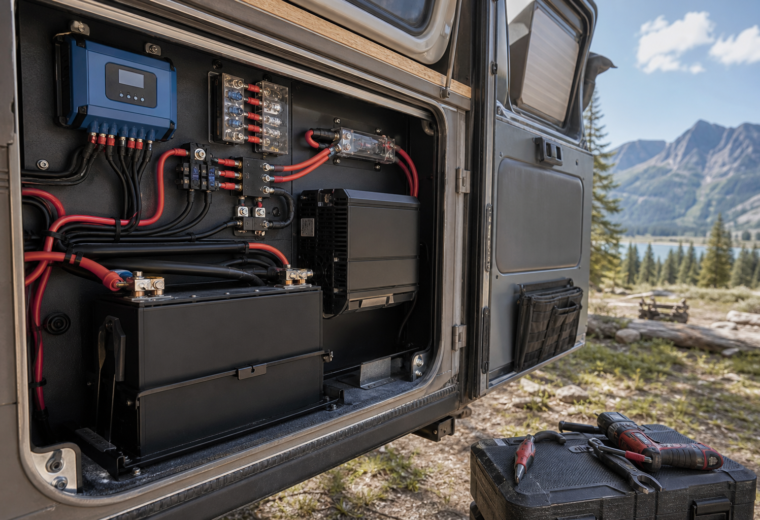
Solar Power: Quiet and Clean
- Great for long stays and sunny locations.
- Requires an upfront investment in panels, inverter, and batteries.
- Maintenance-free and silent.
Generators: Reliable but Noisy
- Useful in cloudy conditions or emergencies.
- Requires fuel and regular maintenance.
- Some campgrounds and many boondocking areas have noise restrictions.
Pro Tip: A hybrid setup works best. Use solar as your main source and a generator as backup.
Water and Waste: The Real Off-Grid Challenge
Staying Clean and Hydrated
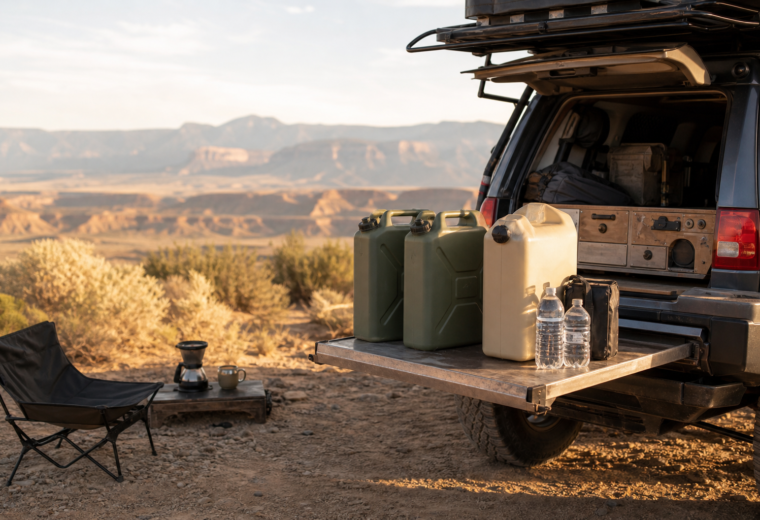
- Carry at least 1 gallon of water per person per day.
- Use collapsible jugs or built-in tanks.
- Refill at truck stops, campgrounds, or public parks.
Managing Waste Responsibly
- Toilets: Use a cassette toilet, composting toilet, or wag bag.
- Gray Water: Strain food particles and dispose in designated dump stations.
- Trash: Bring extra trash bags and never bury or burn waste.
Pro Tip: Use biodegradable soaps and be mindful of where your gray water drains.
Safety in Remote Locations
1. Share Your Location
Always let someone know where you are, especially if heading to a remote area. Use GPS devices with SOS features like Garmin InReach.
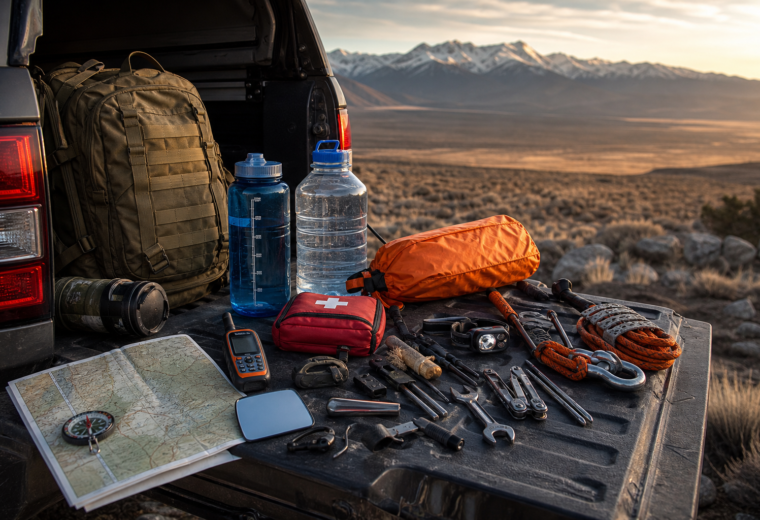
2. Be Self-Sufficient
- First aid kit
- Tools and spare parts
- Extra food and water
- Fire extinguisher
3. Trust Your Gut
If a spot feels sketchy—leave. Safety trumps scenery.
4. Wildlife and Weather
- Store food properly to avoid attracting animals.
- Check weather forecasts before heading out. Flash floods and wildfires are real risks.
Mistake to Avoid: Don’t rely on your cell phone for everything. In many areas, there’s no signal.
From Rookie to Pro: Lessons Learned
Common Beginner Mistakes
- Overestimating your battery life
- Parking on soft ground and getting stuck
- Leaving lights on during stealth camping
- Not checking local rules on overnight parking
Advanced Tips from the Field
- Use Reflectix or blackout curtains for privacy and insulation.
- Level your vehicle before sleeping to avoid discomfort.
- Keep a “go bag” ready with essentials in case you need to move fast.
- Rotate your camping spots to avoid overstaying and drawing attention.
Final Thoughts
Boondocking isn’t just about saving money—it’s about freedom, self-reliance, and reconnecting with nature. With the right preparation and mindset, you can enjoy the open road without the constraints of traditional campgrounds. Start small, stay smart, and soon you’ll feel right at home under the stars.
Further Reading & Resources
Learn federal rules, stay limits, and best practices for camping on BLM land.
Free and paid campsite reviews with user insights on cell service, road access, and more.
Find free camping, check weather, and stay within legal limits using this planning tool.
Guidelines for minimizing your environmental impact while camping on public lands.
Satellite communicator for off-grid safety and real-time location sharing.