When the first frost settles on the windowsill of an off-grid cabin, there’s a moment of quiet satisfaction—because warmth here isn’t about flipping a switch. It’s about ingenuity, preparation, and working in harmony with nature. Heating your home naturally when you’re off the grid calls for more than a fire and good luck. It’s a combination of smart design, effective tools, and knowing how to harness what’s already around you.
Let’s walk through the best strategies for keeping your off-grid haven warm, from choosing the right heater to optimizing insulation and firewood prep.
The Heart of the Heat: Choosing the Right Natural Heater
Wood Stoves: Classic and Reliable
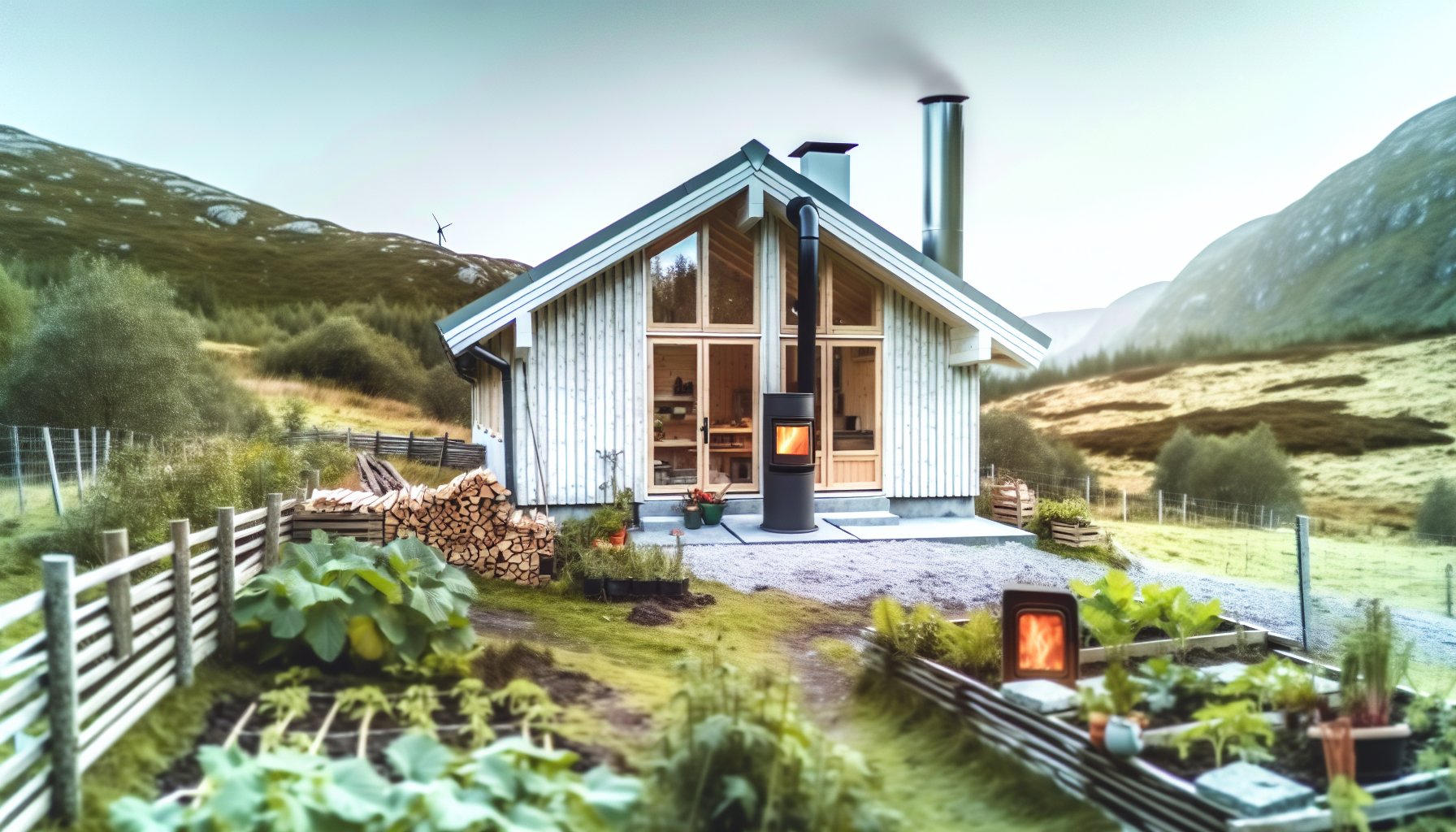
Wood stoves have long been a staple for off-grid living. Their charm lies in their simplicity and efficiency. A good cast-iron or steel stove can heat a small to medium home with ease.
Benefits:
- Burns a variety of hardwoods effectively
- Easy to maintain and widely available
- Models with cooktops double as cooking surfaces
Considerations:
- Requires regular feeding and cleaning
- Needs properly seasoned wood to avoid creosote buildup
Rocket Mass Heaters: Heat Meets Innovation
Unlike traditional stoves, rocket mass heaters use a super-efficient combustion chamber and a thermal mass (often cob or stone) to store and radiate heat over time.
Benefits:
- Uses up to 80% less wood than a traditional stove
- Radiates heat for hours after the fire is out
- Can be built DIY at a low cost
Considerations:
- Requires careful planning and space for the thermal mass bench
- Less conventional, so finding parts or expertise can be tricky
Passive Solar Heating: Let the Sun Do the Work
Passive solar heating isn’t a heater—it’s a design strategy. It involves using the sun’s position and rays to warm your home naturally through south-facing windows, thermal mass flooring, and strategic layout.
Benefits:
- Zero fuel cost
- Works automatically when designed properly
- Complements other heating methods well
Considerations:
- Requires proper orientation and design
- Less effective in cloudy, northern climates without backup heat
Insulation: The Invisible Blanket That Holds It All Together
Natural Insulation Materials
Choosing eco-friendly insulation can boost warmth while aligning with off-grid ethics.
- Sheep’s Wool: Excellent R-value, naturally fire-resistant, and breathable.
- Cellulose: Recycled paper treated for fire-resistance; ideal for walls and attics.
- Straw Bales: Thick, natural, and great for thermal mass in rural builds.
- Cork Panels: Durable, mold-resistant, and good for floors and walls.
Layout Strategies for Warmth Retention
- South-facing glazing: Maximize winter sun exposure.
- Thermal mass floors: Materials like concrete or stone absorb and radiate heat.
- Zoned living spaces: Keep bedrooms cooler and concentrate heat in living areas.
- Curtains and interior shutters: Trap heat at night and during storms.
Firewood: Fueling Your Winter Without the Grid
Sourcing Tips
- Use local hardwoods like oak, maple, or ash—they burn longer and hotter.
- Avoid softwoods (pine, spruce) for your main supply due to creosote risk.
- Harvest sustainably: Deadfall and selective cutting help maintain forest health.
- Season your wood: Split and stack for 6–12 months covered but ventilated.
Safe Venting and Chimney Care
- Install a proper chimney cap to keep out debris and animals.
- Use double-walled pipe through walls and roofs for fire safety.
- Clean chimneys regularly to prevent creosote fires—at least twice a season.
- Install carbon monoxide detectors even in an off-grid home. Safety first.
Prepping for Winter: The Off-Grid Checklist
As winter nears, preparation becomes key to comfort and survival.
- Stockpile firewood—aim for at least 3 cords for a full winter.
- Test your heating system in autumn to catch issues early.
- Seal any air leaks around doors, windows, and vents.
- Insulate water pipes to prevent freezing.
- Keep a backup heat source, like a propane heater or solar thermal collector, in case of emergencies.
Further Reading & Resources
1. Mother Earth News – Rocket Mass Heater Basics
A detailed overview of how rocket mass heaters work and how to build your own.
2. Build It Solar – Passive Solar Design
Practical guides and plans for designing passive solar homes.
3. Wood Heat Organization – Safe Wood Stove Use
Comprehensive safety and efficiency tips for wood heating systems.
4. The Natural Building Blog – Insulation Options
Explore various natural insulation materials and how to use them in your home.
Information on firewood types, drying methods, and sustainable harvesting.