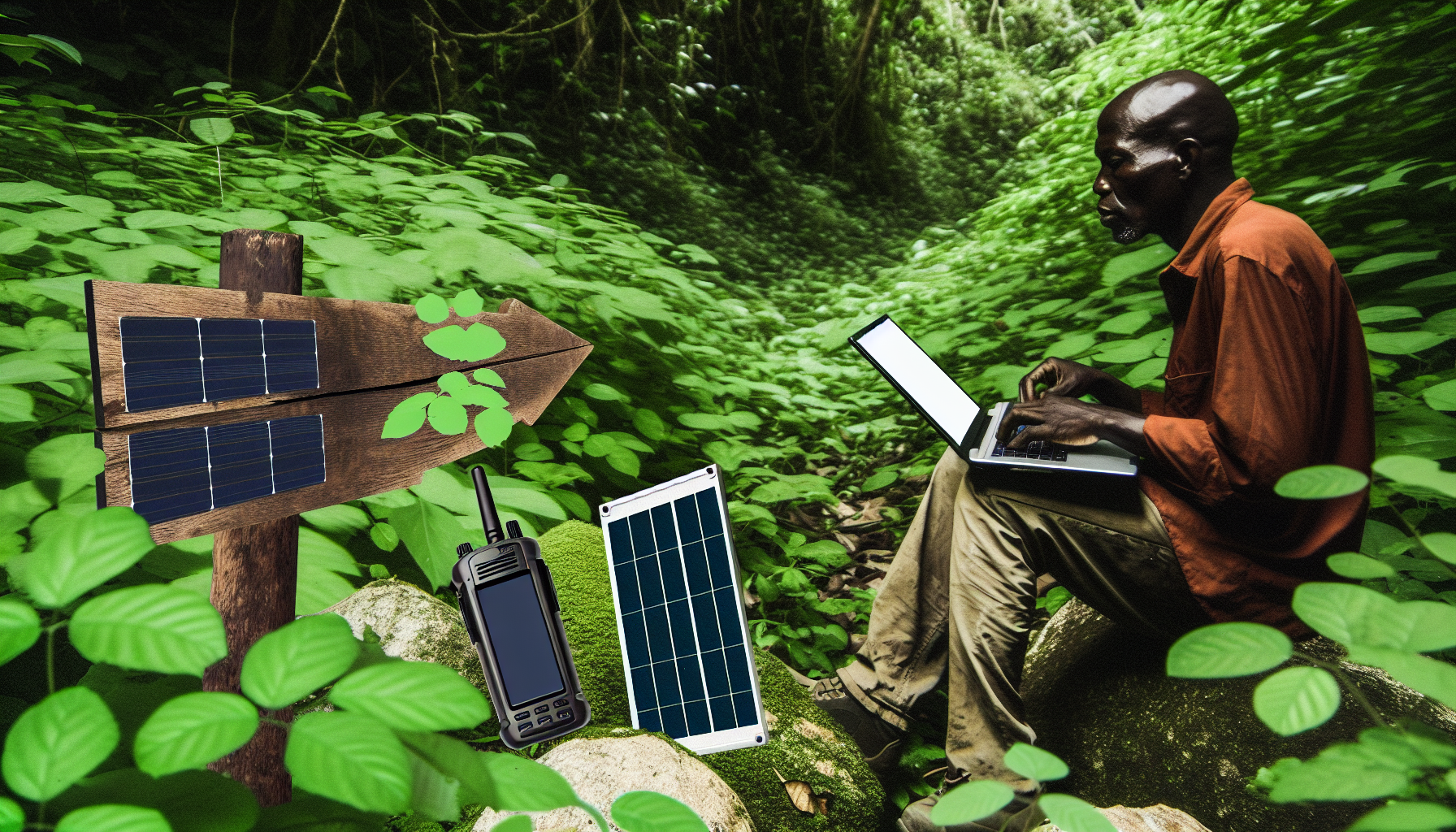
Living off the grid has long been a dream for outdoor enthusiasts, survivalists, and modern nomads seeking freedom from conventional infrastructure. However, the challenges of sustaining safety, managing resources, and maintaining communication in remote environments can be daunting. Fortunately, advances in artificial intelligence (AI) and customized software solutions are transforming off-grid living, making it smarter, safer, and more sustainable. By integrating AI-powered tools into their routines, modern adventurers can enhance their self-reliance without sacrificing connectivity to vital information and emergency support.
AI Enhancing Safety in Remote Environments
Safety is paramount when venturing into isolated areas where help may be hours or days away. AI-driven technologies can significantly reduce risks by providing real-time monitoring, predictive alerts, and intelligent communication channels.
Smart Emergency Communication Devices
Traditional satellite messengers and emergency beacons have improved the ability to call for help, but AI integration takes these devices to the next level. Modern emergency communication tools can analyze environmental data, recognize distress patterns, and automatically send detailed alerts with GPS coordinates and vital health information to rescue teams.
- AI-powered SOS systems: Devices that assess the severity of a situation using motion sensors and biometric data, triggering alerts only when necessary to conserve battery and avoid false alarms.
- Adaptive signal optimization: Software that adjusts transmission power and frequency to maximize signal reach in challenging terrain.
- Predictive route tracking: AI algorithms that map your path and predict potential hazards, warning you before you enter risky areas.
Wearables with Health and Environmental Monitoring
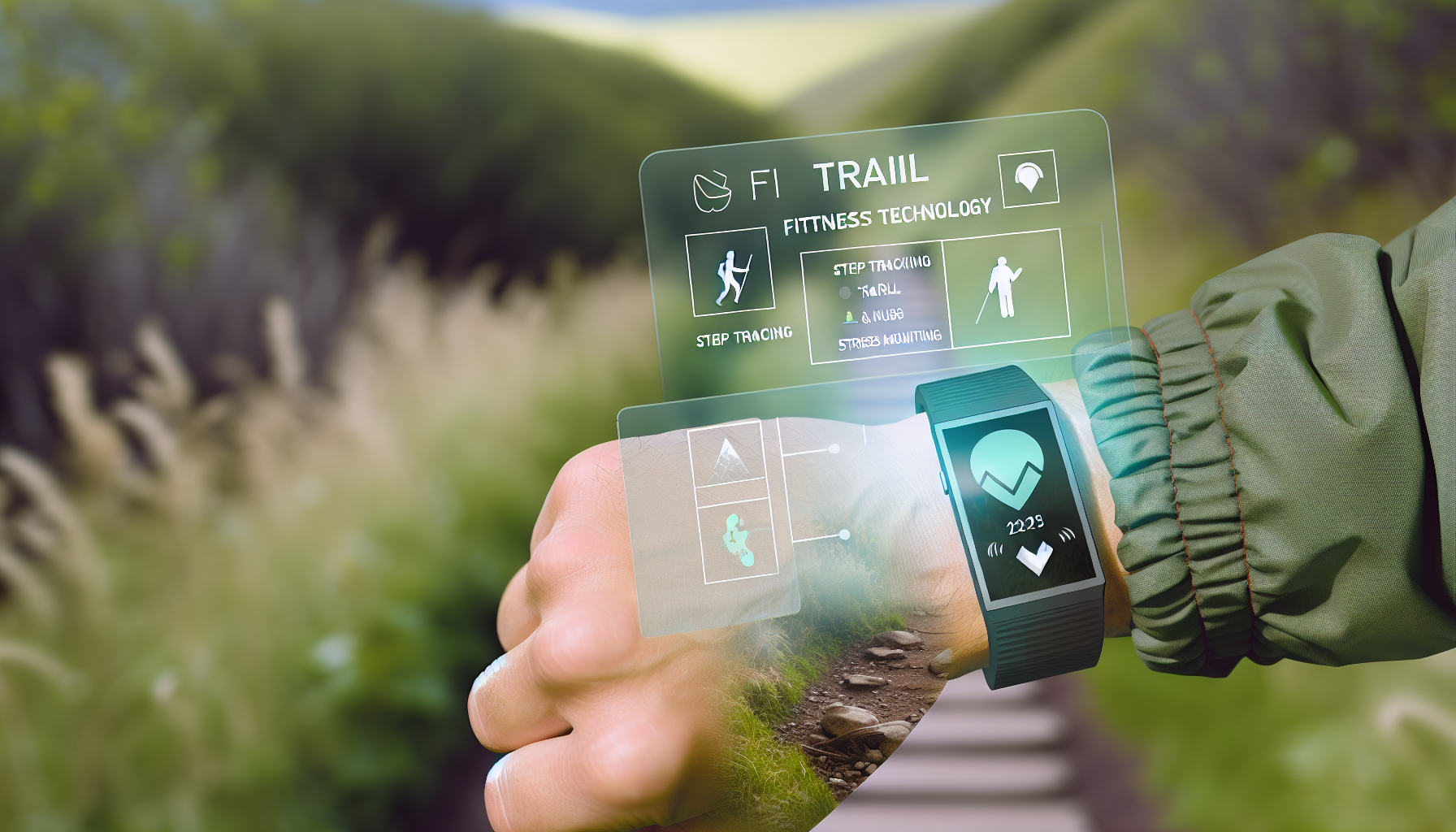
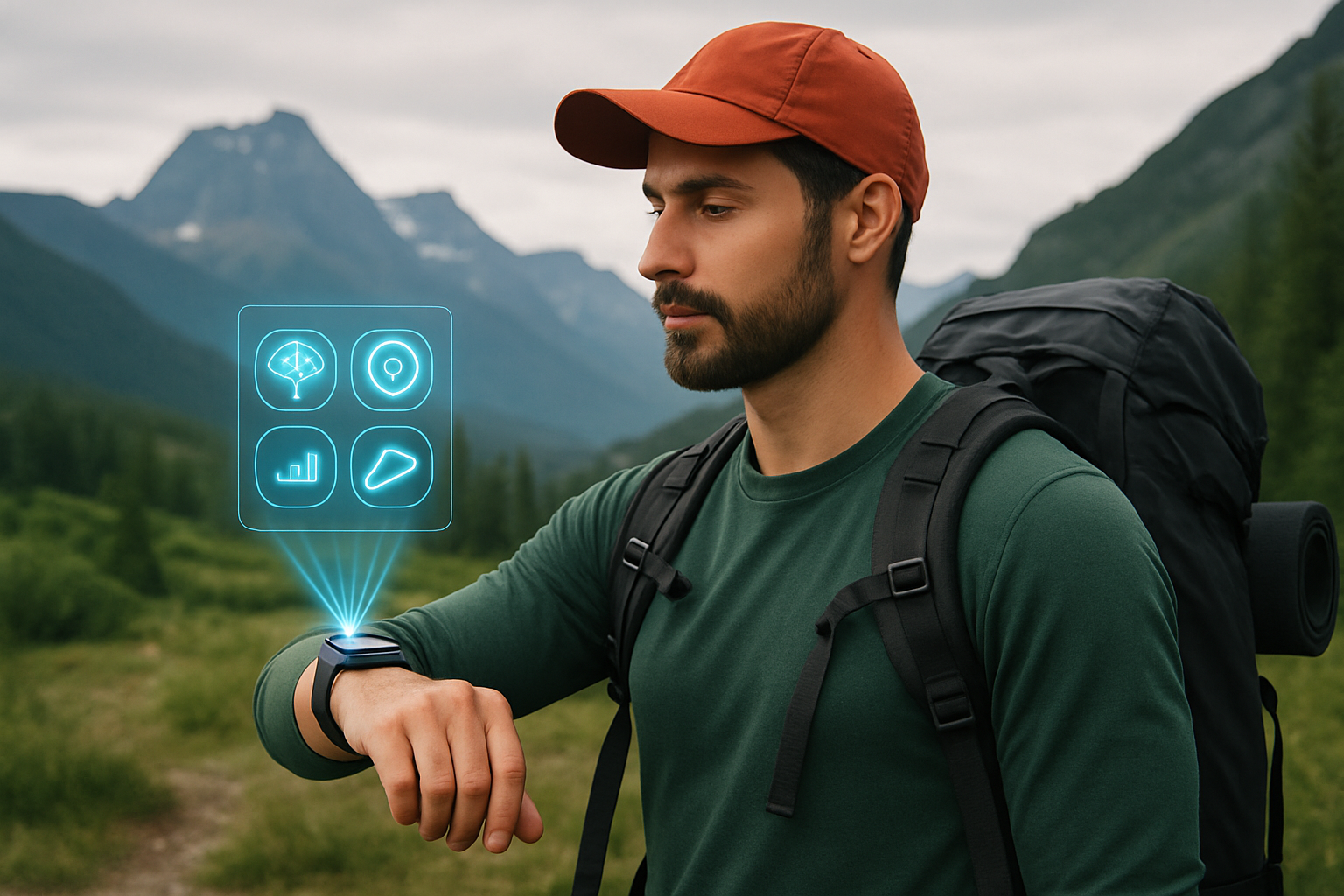
Wearable devices equipped with AI can track vital signs such as heart rate, hydration levels, and body temperature, providing early warnings about health issues like dehydration or hypothermia. Additionally, environmental sensors can detect changes in weather, air quality, or nearby wildlife activity, alerting you to potential dangers before they escalate.
Optimizing Resource Management Through AI
Off-grid living demands strategic management of limited resources like water, food, and energy. AI tools can assist in monitoring consumption, forecasting needs, and optimizing usage to extend resource availability.
Smart Water Purification Systems
Access to clean water is critical, and AI-enhanced purification units can analyze water samples in real time to detect contaminants and adjust filtration settings accordingly. These systems can also track water usage and predict when replenishment is necessary, helping avoid shortages.
Energy Management with AI-Powered Solar and Battery Systems
Solar power is a popular energy source for off-grid explorers, but efficient energy use is key to maintaining operations. AI algorithms can monitor solar panel output, battery health, and energy consumption patterns to optimize charging cycles and prioritize essential devices.
- Predictive weather modeling to maximize solar energy harvesting.
- Automated load balancing to prevent power drain during critical periods.
- Remote diagnostics to identify and address issues before they cause downtime.
Enhancing Psychological Resilience and Self-Reliance
Living off-grid often means coping with isolation and uncertainty. AI-powered applications can support mental well-being and skill development, helping nomads stay focused and confident in their environment.
AI-Driven Mental Health Support
Mobile apps using AI can provide mood tracking, meditation guidance, and cognitive behavioral therapy techniques tailored to the unique stresses of remote living. These tools help maintain psychological resilience by offering personalized encouragement and coping strategies.
Interactive Survival Skill Training
Customized software can deliver interactive tutorials on essential survival techniques such as shelter building, knot tying, and foraging. AI adapts these lessons based on your current environment and skill level, ensuring relevant and effective learning.
Integrating AI Solutions Into Your Off-Grid Setup
Implementing AI in off-grid living requires thoughtful selection of compatible devices and software that balance power consumption, durability, and functionality. Here are practical steps for integration:
- Assess your needs: Identify the key challenges you face, such as communication, resource management, or safety monitoring.
- Choose reliable hardware: Opt for rugged, energy-efficient AI-enabled devices designed for outdoor use.
- Plan power solutions: Incorporate solar charging, battery backups, or hybrid systems to support AI tools without frequent recharging.
- Ensure data security: Use encrypted communication channels and protect sensitive information, especially health and location data.
- Practice offline functionality: Select AI software capable of running without continuous internet access, relying on local processing.
Key Takeaways
- AI technologies enhance safety by enabling smarter emergency communication and health monitoring in remote areas.
- Resource management is improved through AI-optimized water purification and energy systems, increasing sustainability off-grid.
- Psychological resilience benefits from AI-driven mental health support and adaptive survival skill training.
- Successful integration of AI requires durable hardware, reliable power sources, and secure, offline-capable software.
- Modern nomads can leverage AI to achieve greater independence, safety, and comfort while living off the grid.
Related Resources
- National Outdoor Leadership School (NOLS) – Offers comprehensive courses and expert advice on wilderness survival and leadership skills.
- U.S. Forest Service – Provides valuable information on outdoor safety, resource management, and environmental conditions.
- World Health Organization: Drinking Water – Trusted guidelines on water safety and purification techniques.
- CDC Wildfire Preparedness – Offers practical tips for staying safe in remote natural disaster scenarios.
- TechRadar: Best Solar Generators – Reviews and recommendations for off-grid power solutions.