Living by the Sky: A Return to the Rhythms that Shaped Us
Long before clocks ruled our schedules, people moved with the sun, planted by the moon, and harvested with the seasons. Nature told them when to rest, when to rise, and when to roam. Today, a growing number of outdoor enthusiasts and off-grid adventurers are reclaiming this forgotten wisdom. They’re syncing their lives with natural rhythms to find a deeper sense of balance, efficiency, and well-being.
From moon-guided gardening to seasonal foraging and sun-synced sleep cycles, tuning in to nature’s calendar isn’t just poetic—it’s practical. Here’s how modern adventurers are aligning their lives with the forces that have always guided the Earth.
Moon-Guided Gardening: Sowing with the Sky
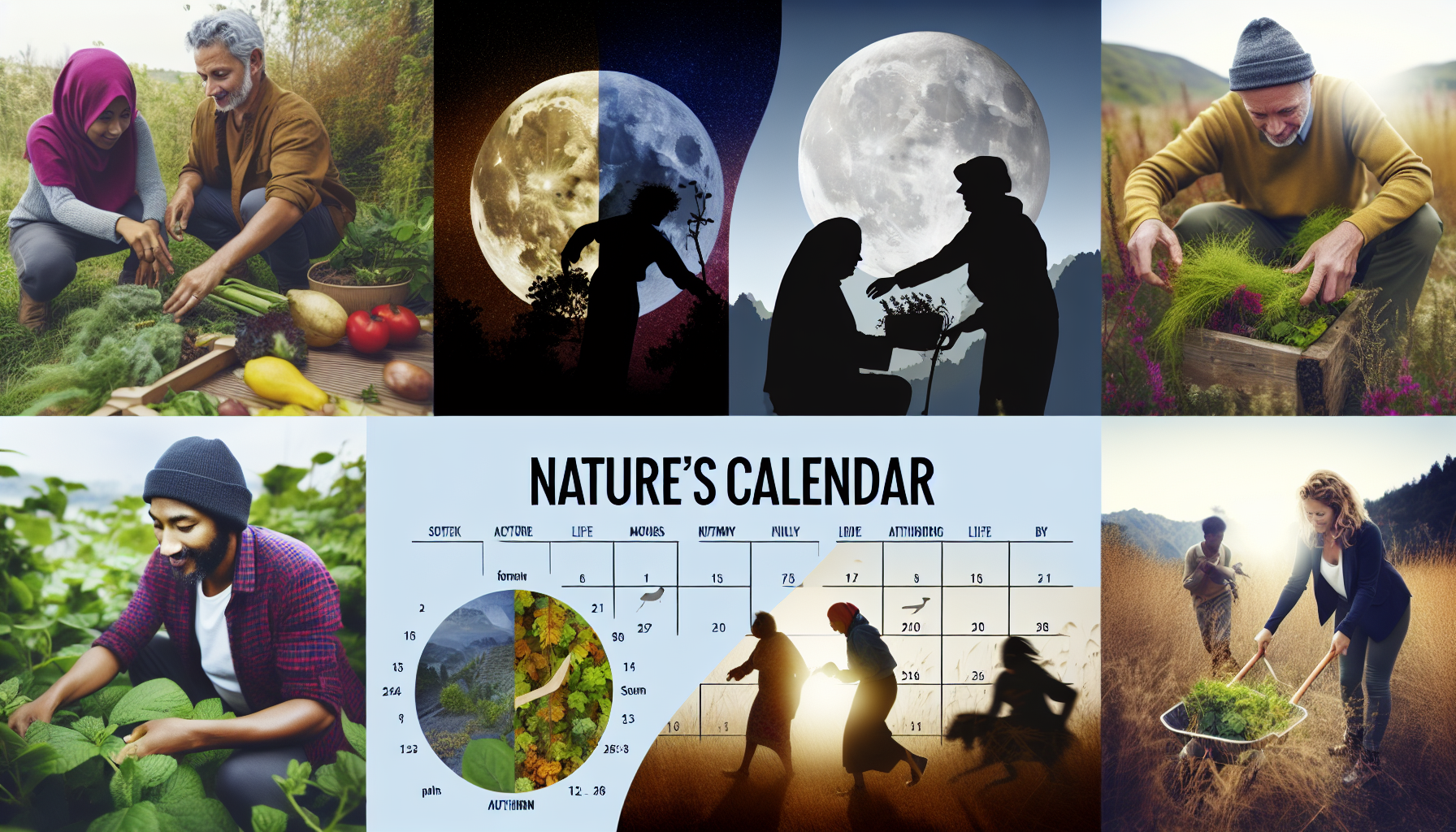
The idea of gardening by the moon may sound mystical, but it’s rooted in centuries of agricultural tradition. The moon affects water movement in soil just like it influences tides. By planting during certain lunar phases, gardeners aim to boost germination, root strength, and crop yield.
Key Lunar Phases and Their Gardening Roles:
- New Moon to First Quarter: Ideal for planting leafy crops like lettuce and spinach. The upward water pull supports strong leaf growth.
- First Quarter to Full Moon: Best time for fruiting plants such as tomatoes and beans. Energy flows upward, encouraging flower and fruit development.
- Full Moon to Last Quarter: Focus on root crops like carrots and potatoes. As gravitational pull decreases, energy returns to the roots.
- Last Quarter to New Moon: Time for rest—perfect for weeding, pruning, and soil maintenance.
For off-grid gardeners, this method minimizes resource waste and maximizes harvests with no need for artificial inputs.
Seasonal Foraging: Eating with the Earth
Nature offers a rotating menu of wild edibles—if you know when and where to look. Foraging by season isn’t just smart, it’s sustainable. It helps people eat locally, reduce their ecological footprint, and maintain a closer relationship with the land.
Seasonal Foraging Highlights:
- Spring: Look for wild garlic, ramps, chickweed, and fiddleheads. This is a season of tender greens and detoxifying plants.
- Summer: Berry season begins. Blueberries, blackberries, and wild strawberries are abundant. Also, wild herbs like yarrow and mint thrive.
- Fall: Mushrooms such as chanterelles and oyster mushrooms make an appearance. Nuts and wild apples are also in season.
- Winter: Though limited, pine needles (rich in Vitamin C) and some hardy greens like miner’s lettuce can still be found in milder climates.
Respectful harvesting—taking only what you need and leaving the rest—ensures that these natural resources remain for future seasons.
Light-Led Living: Syncing with Sun and Weather
In the wilderness, the sun is your clock and the weather your calendar. Adjusting your daily routine to daylight hours and shifting weather patterns can enhance productivity, sleep, and overall well-being.
Tips for Natural Light Living:
- Wake with the Sun: Without artificial light, many off-grid dwellers find themselves rising with the first light of day. Morning productivity tends to increase, and circadian rhythms stabilize.
- Work with the Warmth: Outdoor tasks like chopping wood or cooking are better done during the sun’s peak. Reserve cooler hours for indoor or shaded activities.
- Sleep by Dusk: As daylight fades, so should your activity level. Blue light from screens can disrupt melatonin production, but firelight or candlelight helps preserve your natural sleep rhythm.
Weather Patterns and Productivity:
- High-pressure days are great for hiking, solar cooking, and drying clothes or food.
- Rainy or overcast periods are good for indoor tasks, crafting, mending gear, and planning.
By tuning your schedule to the sky, you reduce dependency on electricity and increase your connection to the environment.
Why It Matters: Reclaiming a Grounded Life
Living in step with nature isn’t just about survival. It’s about thriving in a way that feels grounded, intentional, and sustainable. Whether you’re off-grid full-time or just spending weekends in the wilderness, tuning your life to natural rhythms can lead to better health, deeper awareness, and a renewed respect for the planet’s timeless cycles.
Further Reading & Resources
- Old Farmer’s Almanac – Gardening by the Moon: A classic guide to lunar planting with calendars and tips.
- Eat the Weeds: A robust database of wild edible plants by season and location.
- National Sleep Foundation – Natural Light and Sleep: How exposure to natural light supports healthy sleep cycles.
- United Plant Savers: Advocates for sustainable foraging and conservation of native medicinal plants.
- NOAA Weather Education: Understand weather patterns and how to interpret them for outdoor planning.